Everyone argues about a new CoD skin drop for a few days, then moves on. Underneath that noise, a quieter question is settling in: when you buy a skin, do you actually own it, or did you just rent a look for as long as the publisher allows it?
Every time a new set of Call of Duty skins drops, social feeds light up and gamers debate value, style, and authenticity. Right beneath the surface, though, there’s a deeper shift underway, one driven by blockchain-powered Web3 tools. Serious players have noticed that these technologies are quietly transforming how everyone shops for digital cosmetics, and not just in Call of Duty. For anyone tired of traditional digital content models, the appeal of true ownership and transparent trading has never been stronger.
From Marketplace Lock-in to Cross-Platform Control
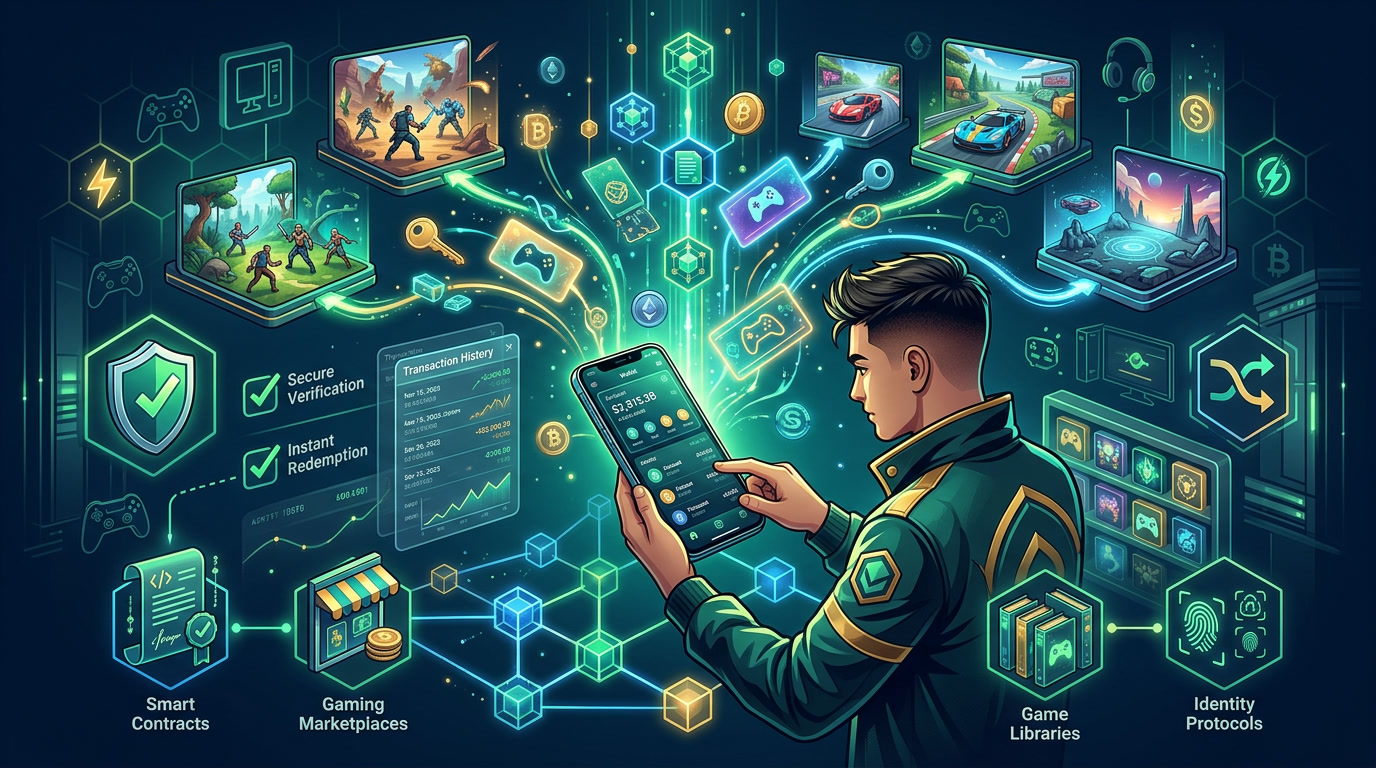
Traditionally, picking up new looks for your in-game character meant total dependence on a publisher’s own store or seasonal event. Access, pricing, and authenticity were controlled from the top down. The CoD skin store is a prime example of how digital marketplaces are starting to widen those boundaries. Instead of being stuck with a single platform, players are exploring third-party hubs where skins, DLC, and game packs move more freely between communities.
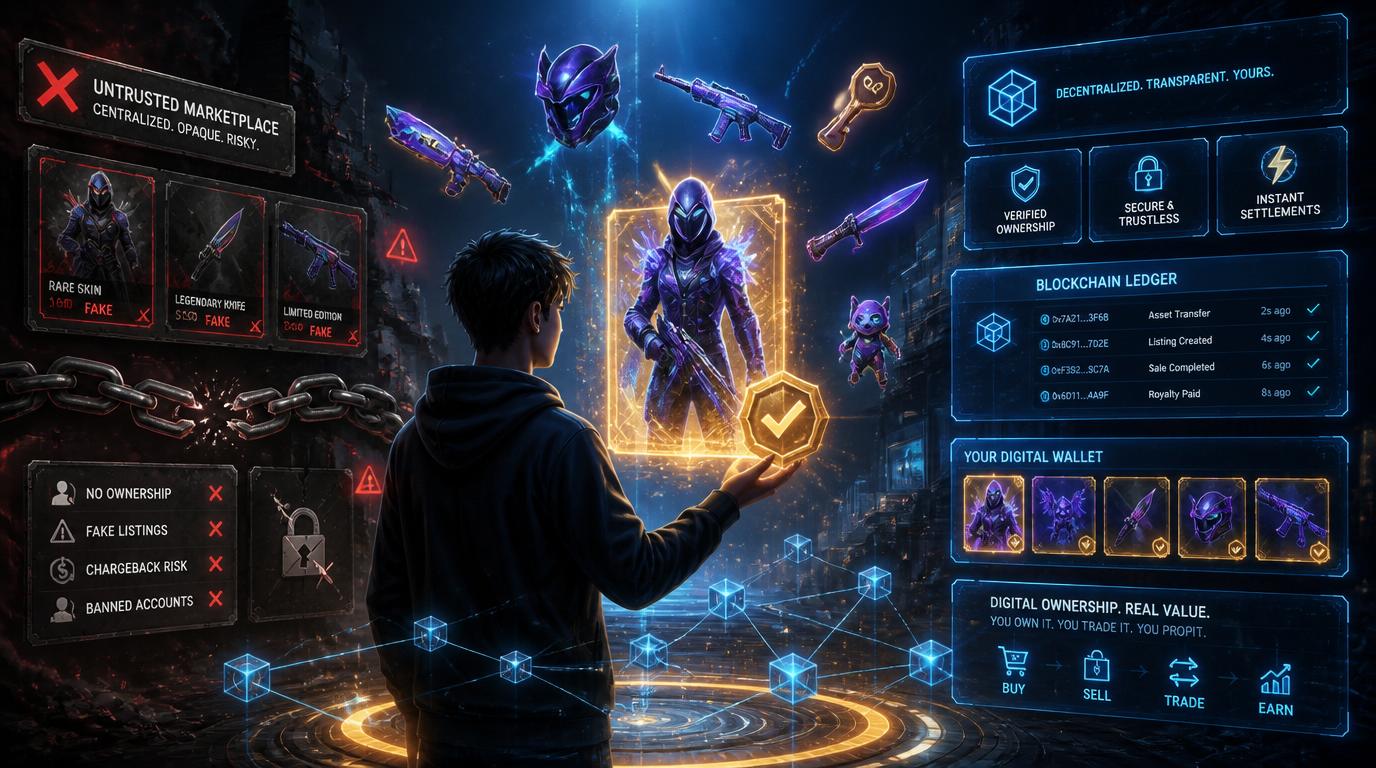
One publisher store, one price, one region, no way to prove what you actually own once the season ends.
Ownership recorded on a public ledger, tradable across communities, verifiable independent of any single storefront.
These aren’t just shortcuts for acquisition; they reflect a larger push toward decentralized authority and peer-based value. Now, blockchain-based verification and secure payment rails mean each skin’s ownership can be proven and traded, reducing common risks around fraud or spoofed items — the same fraud concerns that make shoppers cautious anywhere digital goods change hands, from gacha pulls to converting in-game currency back to real value.
Web3 innovation means more than just decentralization, it introduces flexibility, lasting value, and genuine scarcity to the way in-game content is traded and held. For users who want to maximize what they get for their budget, budget gaming is a smart, value-oriented approach that focuses on experience rather than excessive spending. Digital marketplaces like Eneba make it possible to hunt down deals on discounted game keys, DLC, or skins, all while taking advantage of a vast catalog and competitive pricing. Instant digital delivery, clear platform and region labeling, and secure payments back up every purchase. For transparency, Eneba marks Global versus region-specific offers right on each product page. The marketplace only lists verified merchants who have been screened for compliance and sourcing, and continuous monitoring helps prevent policy breaches or scam activity, further supporting cost-conscious players.
What Changes for Players, And Why It Matters
Decentralized verification through Web3 platforms puts every transaction on public record, reducing room for manipulation and allowing gamers to prove ownership across platforms. Scarcity suddenly has real economic meaning. Communities can freely trade collectibles, making rare skins a tangible asset rather than a locked aesthetic upgrade. The security layer from blockchain tech also means less room for “gray market” fraud, which often plagues more centralized or unofficial trade forums.
How ownership verification actually works
- The item is minted or registered.A skin, weapon skin, or cosmetic gets a unique record tied to the original drop.
- Ownership is recorded publicly.The ledger tracks who holds the item without relying on a single company’s private database.
- Trades update the record.Every transfer between players is logged, so provenance stays traceable.
- Buyers verify before purchasing.A quick lookup confirms an item is genuine and not a duplicate or spoofed copy.
- Value follows scarcity.Because supply is provable, rare items behave more like real collectibles than reskinned assets.
Game developers, for their part, are watching these trends closely. Some now experiment with limited-edition NFT drops in partnership with well-populated multiplayer titles. Others are rethinking monetization models altogether, a shift worth watching alongside how leading studios are approaching 2025’s releases more broadly. The tension between creative control and genuine player ownership is evolving, and the savvy consumer has more agency with each season or update.
Traditional Store vs. Web3 Marketplace
| Factor | Publisher store | Web3 / third-party marketplace |
|---|---|---|
| Ownership proof | Tied to your account on that platform only | Recorded on a public, portable ledger |
| Resale or transfer | Usually not permitted | Often tradable between holders |
| Pricing | Fixed by the publisher | Set by market demand and scarcity |
| Fraud protection | Depends entirely on the publisher’s systems | Backed by verifiable transaction history |
| Region access | Often locked to your store region | Clearly labeled Global vs. region-specific listings |
It’s not just about the tech, though. Modern players are increasingly motivated by transparency and trust when it comes to spending digitally. Web3 solutions, layered on top of easy onboarding and familiar ecommerce features, amplify the appeal for shoppers who want clear receipts and the ability to resell or transfer content later. In effect, a new kind of collector’s economy is forming around digital cosmetics, one where communities trade insights on value and authenticity as much as on looks and rarity, not unlike how players compare notes before picking up any major triple-A release.
- ✓Confirm the merchant is verified. Screening and compliance checks are what separate a marketplace from an open trade forum.
- ✓Check the region label. Global and region-specific listings behave differently at checkout and redemption.
- ✓Look for transaction history. A traceable ownership record is the entire point of the security layer.
- ✓Compare against the publisher price. Scarcity-driven pricing can run higher or lower than the original store, so it pays to check both.
The Future Is Flexible, and Competitive
There is little doubt the ecosystem will keep changing. New types of in-game assets, improved interoperability, and fiercer competition between publishers, platforms, and independent marketplaces will give buyers more choice than ever before. As the pressure grows to offer not just novelty but lasting value, players will gravitate toward sources that put control in their hands and value in their wallets, the same instinct driving interest in emerging AI-powered marketplaces and other tools built around transparent, verifiable exchanges.
Digital marketplaces like Eneba offering deals on all things digital ensure players don’t have to choose between security, selection, and affordability. That’s the real win for gamers adapting to the next era of digital content. Staying safe while exploring these newer platforms matters too, which is part of why more shoppers pair marketplace research with a quick look at anonymous browsing practices before trading anything of value online.
The short version: Web3 doesn’t change what a skin looks like, it changes who controls it. That shift toward provable, portable ownership is what’s pulling cost-conscious, trust-driven players away from single-platform stores.
Quick Answers
Not automatically. Interoperability depends on whether the specific game or platform supports that asset, so it’s worth checking compatibility before buying.
Both can be safe, but the ledger adds an extra layer of traceability that helps confirm authenticity, which matters most when buying from third-party sellers.
Pricing and availability often differ by market, so a clearly labeled Global or region-specific tag helps avoid a purchase that won’t redeem on your account.