A remastered save file loads and suddenly you’re twelve years old again — except this time you paid for it with a code, not a cartridge. That small switch turns out to matter a lot more than the nostalgia does.
Most gamers feel the nostalgia when a pixel-perfect remake of a childhood favorite pops up, but that trend is quietly changing much more than just what we play. Today’s surge of classic game remakes isn’t just about warm memories; it’s reshaping how buyers approach their entire digital tech stack, especially in how they hunt for value and flexibility with online purchases. You can see the same instinct playing out anywhere retro nostalgia meets a modern price tag, whether that’s a ranked list of the greatest PS2 games ever made or a debate over whether buying retro games secondhand is worth it.
Remakes have normalized digital-first commerce in a big way. When modern versions of long-loved titles like Metroid Prime or Resident Evil 2 arrived, many players grabbed the new editions from online stores, brushing away their hesitancy about digital-only purchases. This shift seamlessly transferred to how people now choose to buy everything from in-game currencies to basic tech essentials, even causing a spike in demand for digital marketplace gift cards.
The growing trend isn’t just about access to old favorites. Consider the burst of shoppers deciding to buy gift cards online instead of picking them up physically. It’s become commonplace to use digital gift cards for routine tech purchases, swayed by positive experiences unlocking digital games or downloadable content. That mindset, quick, flexible, and region-aware, spills over into every aspect of digital shopping.
Why Digital Gift Cards Suddenly Make Sense
The big boost in demand for digital gift cards comes from their sheer flexibility. Option options to buy Walmart gift cards can be used for far more than gaming — they’re now seen as an easy way to buy electronics, accessories, or subscription services. This mirrors the “one-code, many options” approach familiar from remastered games: buy once, spend anywhere across a linked ecosystem, adapt as needs shift.
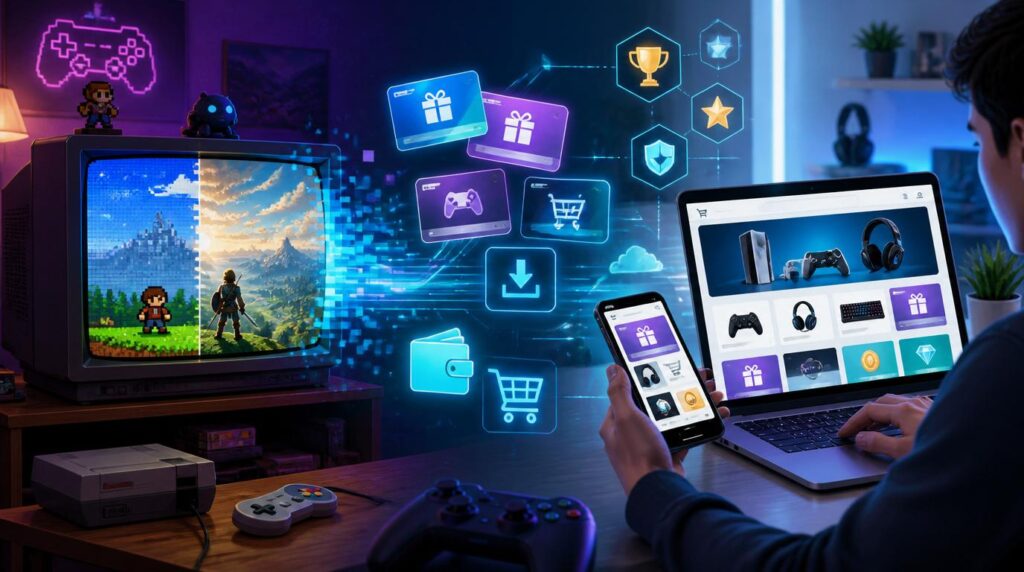
A remake meant a trip to the store, a physical case, and a shelf slot next to the original.
A remake means a code, an instant download, and a purchase habit that carries straight over to gift cards, top-ups, and subscriptions.
Shoppers expect every online purchase, gaming or not, to match that same speed and regional clarity.
For anyone curious about how do digital gift cards work, it’s simple. The buyer gets a redeemable code, then enters it on the corresponding platform to access funds or credit, no plastic necessary. Eneba offers quick access and clear region info for each purchase, streamlining the process for both seasoned and new tech shoppers.
How redeeming a digital code actually works
- Choose the card or currency.
Pick the exact denomination and platform the funds need to land on.
- Check the region tag.
Confirm the code matches your account’s region before buying, this is the step most first-timers skip.
- Complete checkout.
Pay through the marketplace and receive the code, usually within minutes.
- Redeem on the platform.
Enter the code in the corresponding store or account settings page to load the balance.
- Spend across the ecosystem.
Use the credit for games, DLC, electronics, or subscriptions, wherever that gift card network reaches.
Classic game revivals have set expectations for modern convenience. Now, shoppers want every online transaction to offer instant use, regional compatibility, and support if something goes wrong. Digital gift cards fit that bill perfectly, as buyers demand control and clarity. That same expectation is why players comparing subscription services like Game Pass or checking whether physical games still matter keep landing on the same conclusion: convenience wins more often than format loyalty.
Physical vs. Digital: What Actually Changed
| Factor | Physical purchase | Digital code / gift card |
|---|---|---|
| Availability | Limited to store hours and stock | 24/7, instant checkout |
| Delivery | Immediate but requires travel | Immediate, delivered as a code |
| Region handling | Tied to the store’s local stock | Clearly tagged, comparable across markets |
| Flexibility | Single purpose, single title | Often spendable across an entire ecosystem |
| Collectibility | Case, art, resale value | None, but no shelf space needed either |
Where Tech Shoppers Go Next
This trend isn’t slowing down. As more tech buyers get comfortable with online codes for game keys or gift credits, their habits evolve. Tech enthusiasts expect to find credible digital marketplaces that respect region restrictions and provide instant access, no more anxiously waiting for a package or hunting down a store aisle.
The cross-pollination is real: a surge in game remake purchases has trained buyers to take digital shopping seriously, pushing them toward platforms that deliver speed, variety, and flexibility. Digital gift cards have become the passport for frictionless shopping in the tech world. It’s a habit forming right alongside renewed interest in classic SNES-era libraries and GameCube titles getting a second life through remasters and re-releases.
- ✓Check the region tag before buying. A mismatched region is the most common reason a code fails to redeem.
- ✓Buy from verified merchants only. Marketplace verification exists specifically to filter out invalid or reused codes.
- ✓Keep the receipt or order confirmation. It’s the fastest path to support if a code doesn’t activate.
- ✓Compare denominations, not just totals. Splitting a purchase across smaller codes sometimes unlocks better per-dollar offers.
Remakes did more than relight old passions; they made digital buying the default for everything tech. That’s why platforms like Eneba exist, to meet the demand for fast, flexible, and region-aware digital purchases, giving today’s tech shoppers exactly what they’ve come to expect. It’s the same regional awareness players lean on when checking a lab-tested VPN comparison to make sure a storefront or price actually matches their market.
The short version: classic remakes didn’t just sell nostalgia, they trained an entire generation of shoppers to trust a code over a receipt. That trust is now the default for gift cards, top-ups, and nearly everything else bought online.
Quick Answers
Policies vary by issuer, so it’s worth checking the specific card’s terms at purchase, but most major retail gift cards carry long or no expiration windows.
Codes are tied to the storefront they were issued for, so a mismatched region is the single most common reason a redemption fails.
It can be, provided the seller is verified and the listing clearly states the region and delivery method before checkout.