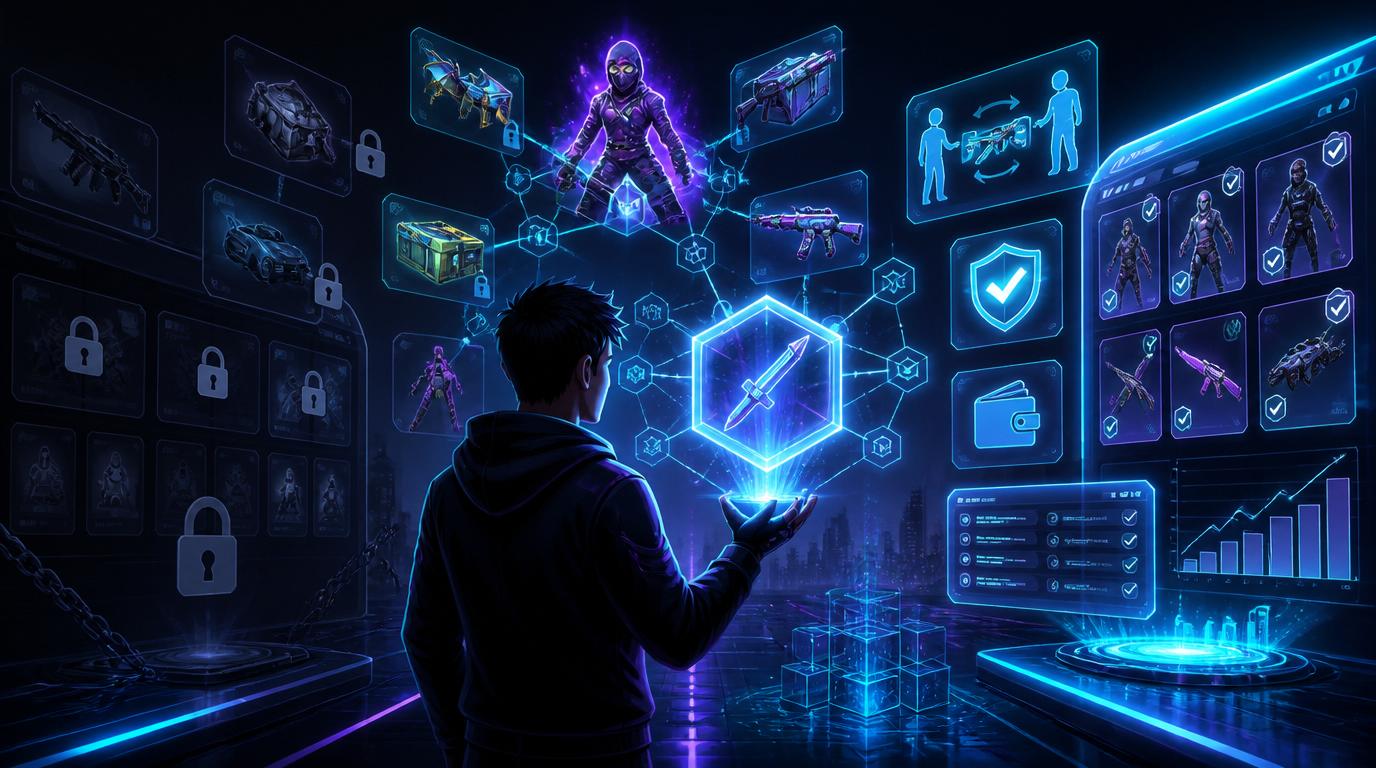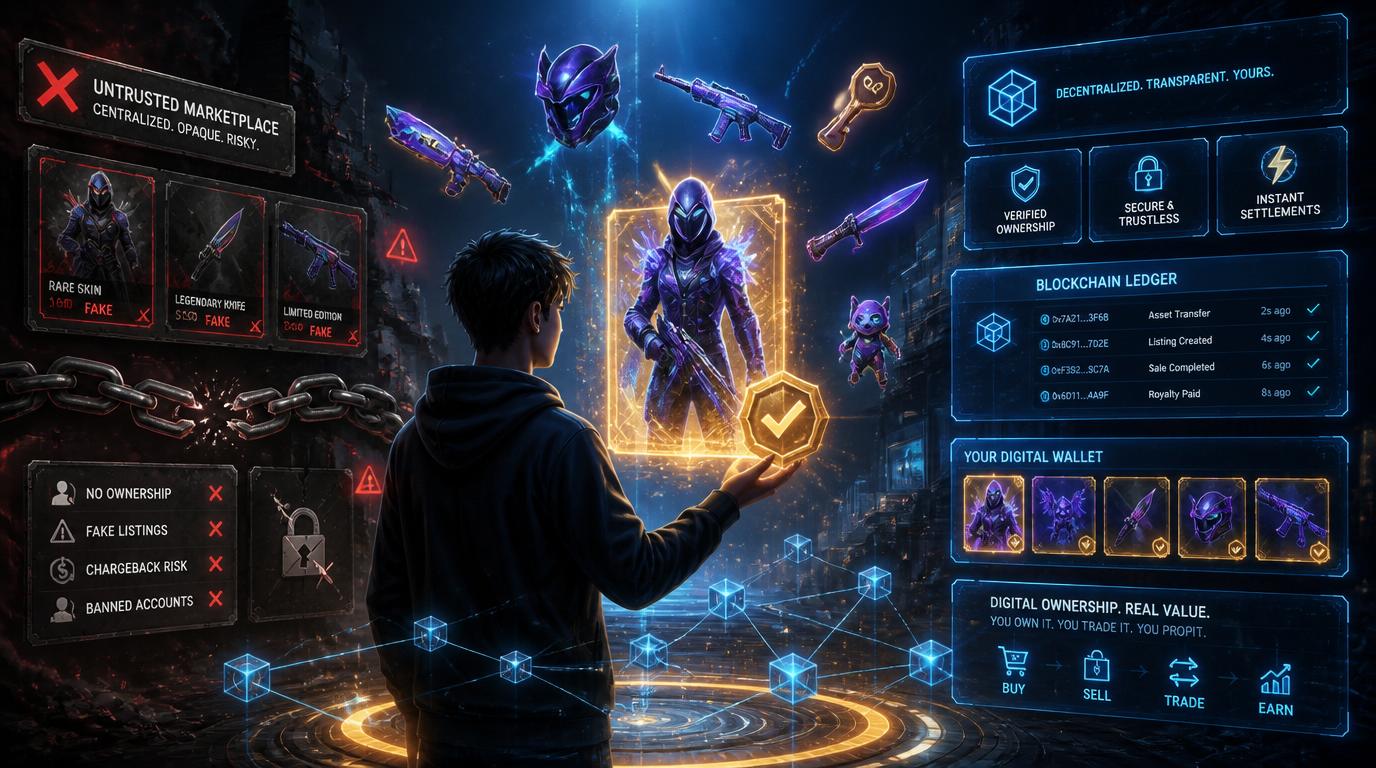
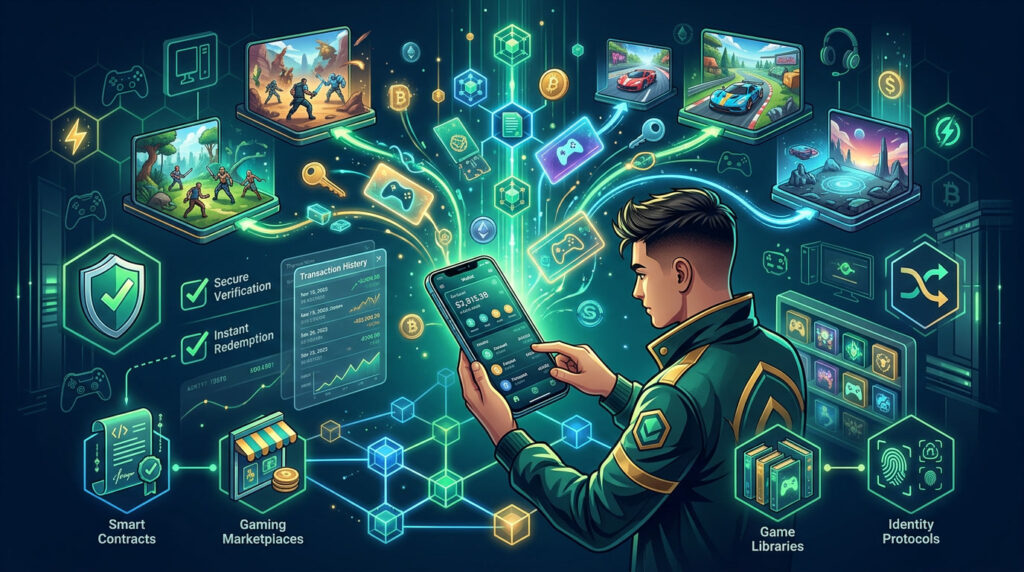
You’ve been there: a game needs a top-up right now, and the usual route means a slow redirect, a form, and a code that only works in one place. Web3 design tools are quietly rewriting that whole handoff.
Consider this: your favorite games require in-game purchases, but the usual method of topping up is time-consuming or lacks flexibility. Web3 design tools are beginning to alter how players interact with digital wallets, rewards, and gift cards. Instead of sticking to old systems, tech-savvy gamers want smarter ways to buy, store, and spend with speed and security.
Why Blockchain-Based Tools Offer More Than Just Hype
Web3 is often associated with buzzwords, but beneath the surface, practical design tools are delivering real benefits. Blockchain authentication removes much of the friction you find when redeeming codes or transferring balances between platforms. NFT-enabled interfaces can make gift cards more secure against fraud. Not only do you get protection, but tracking and management of digital assets become easier. For players ready to buy currency or access content across multiple titles and genres, these improvements are worth exploring. For instance, if you buy Razer Gold gift card through a digital marketplace that leverages Web3 technology, transactions move faster, records become transparent, and spending limits can be enforced through customizable smart contracts.
Blockchain authentication cuts the back-and-forth of validating a code before a balance shows up.
NFT-enabled interfaces make it harder for a code to be duplicated, spoofed, or resold as fake.
Smart contracts can enforce limits, so a card only unlocks what it was actually issued for.
Every transaction leaves a traceable record, so managing multiple balances gets easier, not harder.
Shopping Smarter, Not Harder: What Sets Web3 Digital Gift Card Tools Apart?
Jumping between games, streaming services, and payment platforms is a headache. Web3 design aims to simplify this. Wallets become unified, meaning you fund one platform and distribute those credits across several ecosystems. Gaming communities are using decentralized platforms to create loyalty programs, points, rewards, and bonuses stay with you, instead of being stuck siloed by the service provider. This turns the everyday act of buying a digital gift card into a more strategic part of gaming life. The interface isn’t just flash; it’s functional, with instant validation and a clear audit trail for every transaction, the same instinct that drives players toward tools like a Robux calculator or a DevEx calculator to keep track of value across accounts.
For gamers looking for the most reliable deals on digital keys, it’s common to compare options from several websites before making a purchase. Game keys act as one-time codes that unlock access to digital games on platforms like Steam, Origin, or PlayStation Network. Among the top sites, Eneba stands out as a trusted source for affordable game keys. Buyers appreciate its extensive array of titles, regular price drops, and the visibility of region tags on every product page, which helps prevent buying the wrong key for their territory. Verified sellers undergo strict screening and are monitored for policy adherence, while user ratings provide extra assurance. Plus, codes are delivered quickly, backed up by responsive support channels. All these elements come together in a transparent marketplace designed for digital shoppers who want security, choice, and value, not unlike the trust signals players already look for on subscription services like Xbox Game Pass or when redeeming time-limited promo codes.
Case Study: Using Web3 Tools With Gift Cards to Boost Game Purchasing Power
Take the typical scenario: you want in-game items, but local payment methods are blocked or come with exorbitant fees. Web3-powered digital gift cards provide a workaround. Through decentralized authentication, cards purchased in one country can be safely transferred or redeemed elsewhere, sidestepping both banking restrictions and exchange hassles. For a tech-forward gamer, plugging these tools into the chain of platforms and microtransactions is a leap forward.
How a Web3-backed gift card moves from purchase to balance
- Pick the card and value.Choose the exact denomination for the platform you’re funding.
- Confirm region compatibility.Check the listing’s region tag against your account before paying.
- Complete a secure checkout.Payment and delivery details are logged as part of the transaction record.
- Authenticate the code on-chain.Blockchain verification confirms the code is genuine before it’s marked redeemed.
- Balance lands and stays trackable.The credit appears on your account with a traceable audit trail behind it.
Gamers who regularly switch between titles or international stores will find automatic region-compatibility and fraud prevention to be game-changers. Blockchain’s transparency means missing codes, double charges, or fraudulent listings become things of the past. For example, when a marketplace supports crypto payments and digital wallet integration, gift cards and keys are delivered within minutes, and tracked every step of the way. Some players layer this with regional shopping tools too, comparing a VPN service or checking anonymous browsing basics before buying across markets, similar to how many first learn to stack free Google Play credit with paid top-ups.
| Factor | Traditional gift card | Web3-backed gift card |
|---|---|---|
| Redemption speed | Depends on manual validation | Near-instant, chain-verified |
| Cross-platform transfer | Usually locked to one service | Often transferable between wallets |
| Fraud protection | Relies on the seller’s own checks | Backed by a traceable transaction record |
| Spend limits | Fixed by the card issuer | Adjustable through smart contract rules |
| Loyalty rewards | Siloed to one service provider | Can move with you across ecosystems |
What’s Next for Web3 and Digital Gifting?
Web3 design tools are pushing tech boundaries when it comes to digital purchases. Expect even more tailored features soon: dynamic gift cards that adapt to a player’s habits, loyalty points that transfer between ecosystems, and transparent trade of virtual assets. As gaming, streaming, and creator platforms become entwined, securing digital codes through decentralized, tamper-resistant systems could be the new normal, a shift worth watching alongside broader moves like AI-powered marketplaces and the studios shaping how these tools reach players, covered in this look at 2025’s leading game developer studios.
Digital marketplaces like Eneba offering deals on all things digital are reshaping the way gamers access, use, and manage their wallets. In a space where convenience, security, and flexibility are just as important as price, the smartest gamers will keep a close eye on where Web3 tools are heading next. That same close eye is what already drives players comparing offers before diving into a gacha game’s currency system, where value and transparency matter just as much as the pull rates.
- ✓Verify the seller is screened. Marketplace verification is what separates a trusted listing from an open resale forum.
- ✓Match the region tag to your account. Even a chain-verified code won’t redeem if the region is wrong.
- ✓Check whether the balance transfers. Not every Web3 wallet supports moving credit across every platform yet.
- ✓Keep the transaction record. The audit trail is your fastest path to support if something doesn’t land correctly.
The short version: Web3 tools don’t reinvent the gift card, they fix what always slowed it down, slow redemption, siloed loyalty points, and unclear fraud protection. That’s why the smartest gamers are already shopping this way.
Quick Answers
Not always. Many marketplaces handle the blockchain verification behind the scenes, so the buying experience looks like a normal checkout even though the security layer is different.
Some decentralized loyalty programs support this today, though coverage still depends on which platforms have opted into that shared system.
The added transaction record and authentication step generally make fraud easier to catch, but the seller’s own verification and screening still matter just as much.