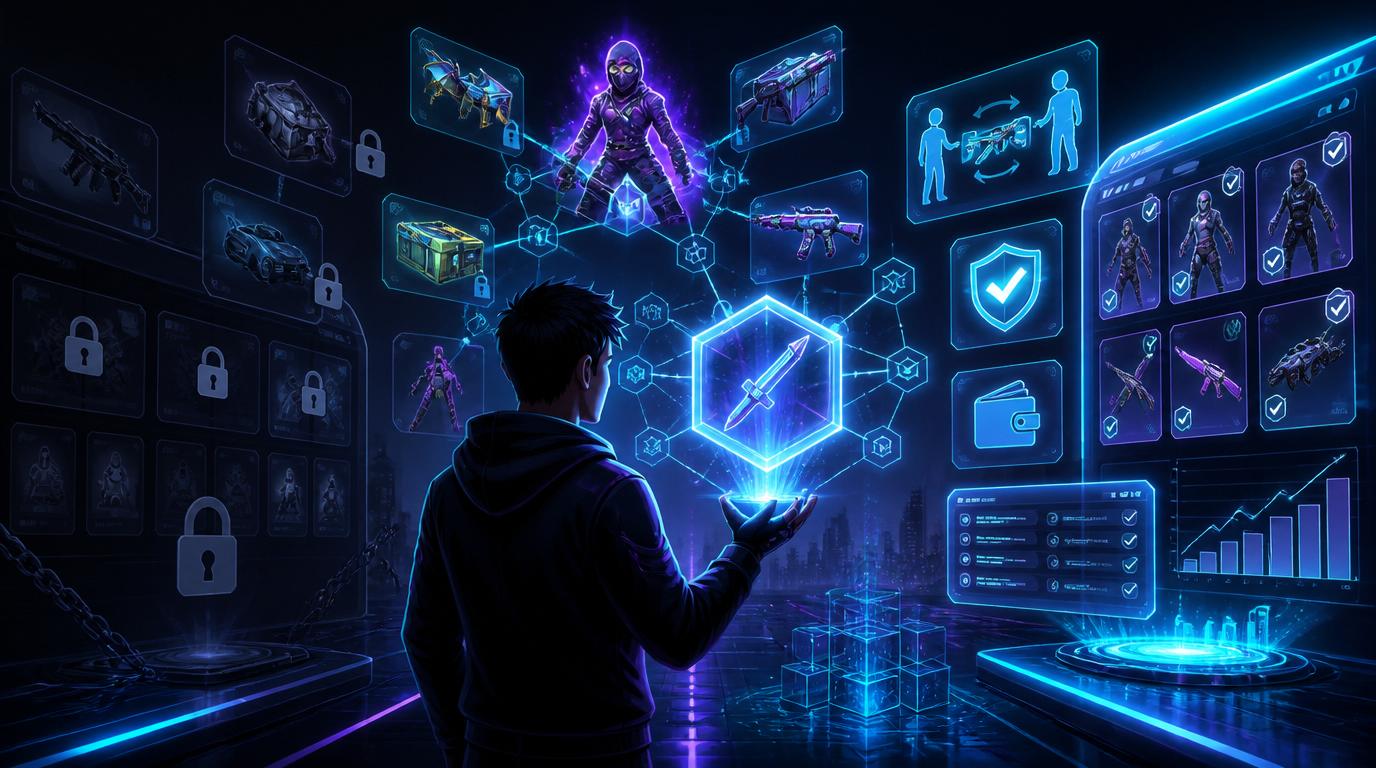
A rare skin used to be worth exactly what a publisher’s server said it was worth, and nothing more the day that server went dark. That’s the assumption Web3 marketplaces are quietly dismantling, one verifiable trade at a time.
For years, unlocking a fresh look for your favorite character meant sifting through endless storefronts or dealing with slow, shaky sites that offered little transparency or convenience. Behind the flashy skins and cosmetic upgrades, something bigger is reshaping how digital collectibles are traded and owned: Web3 technology. Its influence stretches far beyond just easy access to exclusive items, impacting how gamers think about value, security, and the rules of ownership itself, whether that’s a rare look in Minecraft’s skin economy or a tradeable item on a Creatures of Sonaria value list.
Web3 tools cut through the old roadblocks by centering every transaction on transparency and authenticity. Blockchain-backed ownership means when you buy a skin, it’s yours, provable, tradeable, and shielded from tampering. As digital assets explode in popularity, users are demanding more control and better deals. This drive is fueling interest in trusted markets and key codes, with top picks like cd keys providing buyers with instant, secure digital unlocks. These aren’t just random codes floating in online marketplaces; they represent a streamlined way to access in-game content, often at significant savings compared to classic storefronts.
A lot of buyers wonder which sites are genuinely safe for scoring the best deals on game codes and digital unlocks. CD keys work as authorization codes for digital games or content, enter the code, receive the item, and skip the wait. Eneba stands out as a favorite option, recognized for its wide selection, aggressive pricing, direct product descriptions featuring region info, and a seller system that highlights both reliability and speed. Codes arrive nearly instantly, and support is on hand when something stalls. All merchants on Eneba go through identity and product verification, have enforceable contracts, and are strictly monitored, giving customers an extra layer of assurance that every transaction is legitimate and protected.
How Blockchain Solves Old Problems in Skin Buying
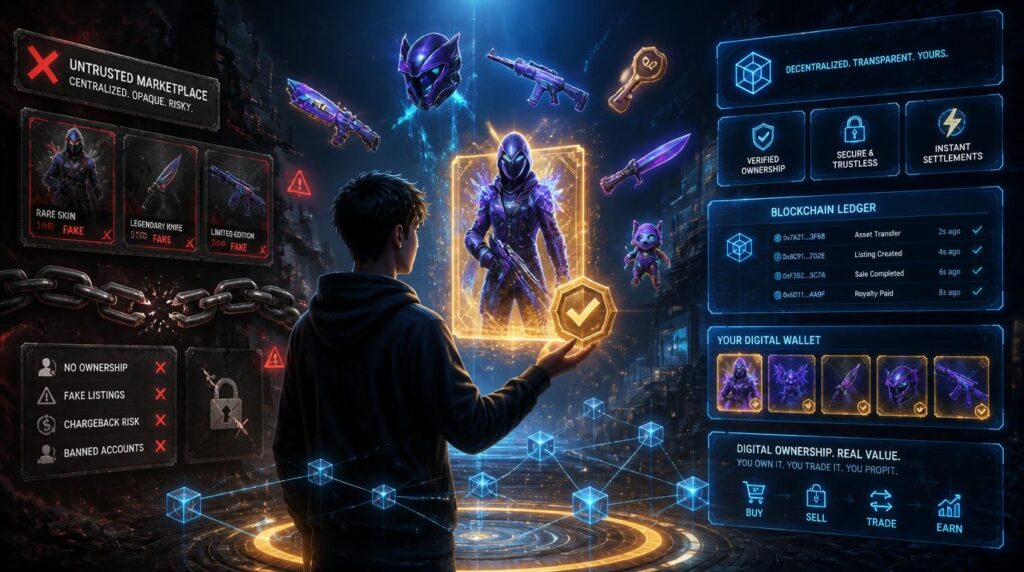
Trust issues plagued early skin-trading and gray-market buying. Tales of fake codes, region-locked disasters, or vanishing purchases were common headaches. Blockchain’s ledger system means every transaction, from initial purchase to later resale, is public and immutable. This level of certainty is winning over both developers and consumers, removing much of the anxiety over ownership disputes or fraud.
Web3-based ecosystems now make it possible to verify the origin and pathway of each skin or collectible. If someone flips a rare skin, the blockchain shows where it came from and where it has been. This open history benefits collectors wanting assurance and casual buyers who just want their purchases to work as advertised, the same reassurance players look for when checking a value list before trading a customized Roblox character or comparing appearances across Brawl Stars brawlers. New startups are even launching features that let owners display, rent, or resell digital skins outside the games they were originally bought for.
The provenance trail, from mint to resale
- Mint or first sale.A skin’s origin record is created the moment it’s released or issued.
- Initial purchase logged.The first buyer’s ownership is recorded on the public ledger.
- Verification on demand.Anyone can check the item’s history before agreeing to a trade.
- Resale or transfer recorded.Each new owner adds to the same unbroken chain.
- Value reflects real scarcity.Because supply and history are provable, rarity carries actual weight.
How Payment and Delivery Are Rapidly Evolving
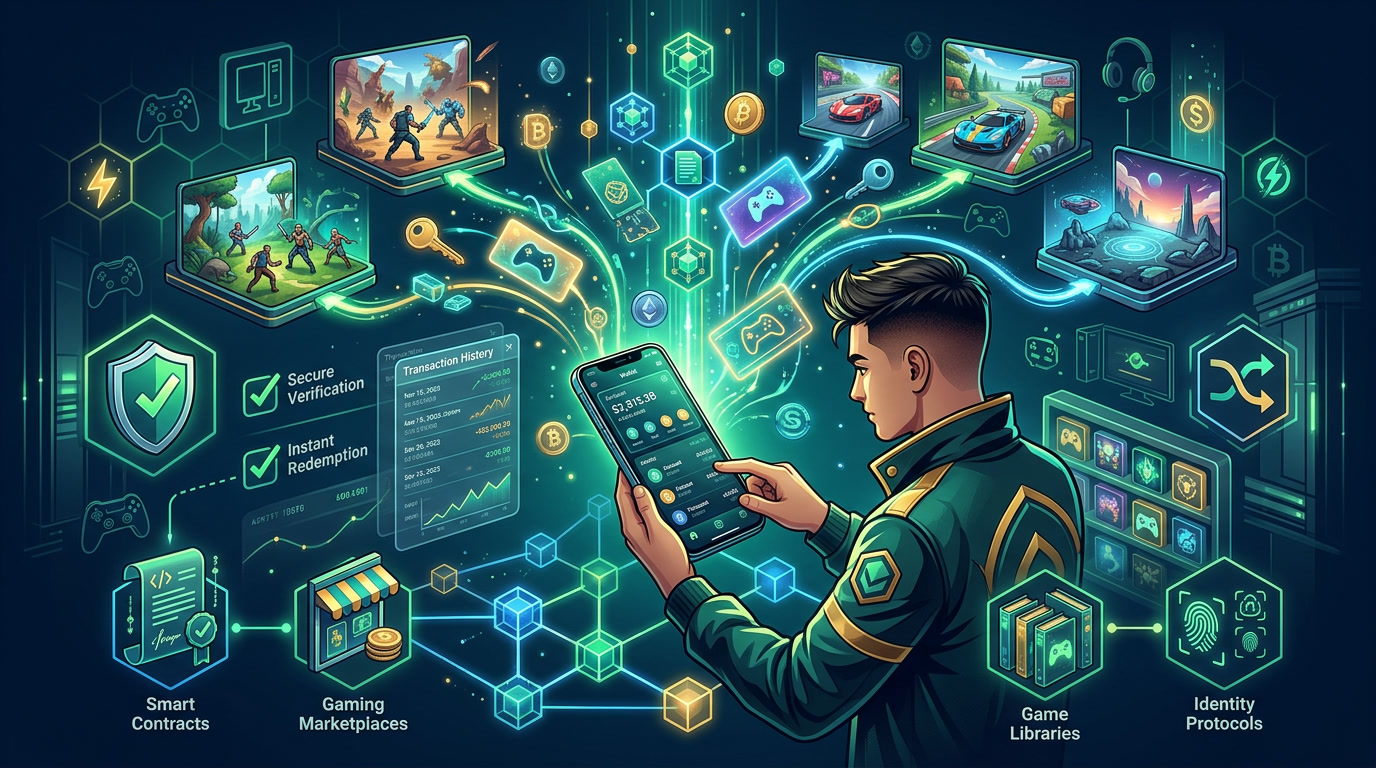
Instant satisfaction used to be a pipe dream, but Web3 marketplaces have set a new standard for payment and fulfillment. Crypto wallets and blockchain verification slice down waiting times, cutting fraud and chargeback risks for both sides. Integrated smart contracts release skins or keys only when both payment and inventory checks out. This speeds up the whole process while nearly eliminating the common pain points of the old system, like waiting hours or days for a human to check your payment or troubleshoot missing items.
Web3 projects are also working on universal inventory: the ability to bring your purchased skins across multiple games or platforms without losing ownership. This is a radical break from the walled gardens most publishers built. If realized, players could wear their favorite look anywhere, buy once, and keep full control, a shift that would sit alongside how flexibly people already expect value to move in Roblox’s DevEx economy or across a major triple-A release’s cosmetic store.
| Factor | Old gray market | Web3-verified marketplace |
|---|---|---|
| Proof of origin | Rarely available | Publicly checkable ledger record |
| Fraud risk | High, little recourse | Lower, backed by transaction history |
| Resale support | Informal, unregulated | Built into the platform’s design |
| Delivery speed | Manual, often delayed | Near-instant via smart contracts |
| Merchant screening | Inconsistent or absent | Identity and product verification enforced |
Why Web3 Rethinks Value, Scarcity, and Community
With blockchain tools, scarcity isn’t an empty marketing slogan, each skin’s supply can be verified. Some marketplaces let developers code in benefits, such as profit splits or limited-edition runs that carry real value. Holding a rare cosmetic becomes a true badge and financial asset, not just cosmetic fluff. Social elements, like voting on future releases or trading skins in community-owned markets, are taking off alongside advanced ownership tracking, a trend some studios are watching closely as covered in this rundown of the best game developer studios in 2025.
- ✓Check the ledger before you trust a rarity claim. A verifiable history beats a seller’s word every time.
- ✓Buy from screened merchants only. Identity and product verification is what keeps a marketplace from becoming a gray market.
- ✓Confirm the region tag. Even a fully authenticated item can fail to redeem on the wrong account region, so it pays to double-check with a resource like a lab-tested VPN comparison when shopping across markets.
- ✓Ask if the item is portable. Universal inventory is still emerging, so confirm whether a skin actually travels between platforms before paying a premium for it.
Digital marketplaces like Eneba offering deals on all things digital now benefit from these advances, amplifying player choice and powering a more open, player-friendly future. For tech-savvy gamers and collectors, the promise is clear: your digital goods are more yours than ever before. Pair that with region-aware shopping habits, like those covered in this breakdown of paper VPN versus traditional options, and the whole process gets a lot less anxious for buyers who’ve been burned before.
The short version: a skin’s value used to live entirely on trust. Blockchain doesn’t remove trust from the equation, it just gives you a way to check it, which is exactly why collectors are taking digital ownership more seriously than ever.
Quick Answers
The ledger record itself is very hard to alter, but buyers should still confirm they’re checking the correct, official record rather than a lookalike listing.
Not universally yet, so it’s worth checking whether a specific platform actually exposes that provenance trail before assuming it’s there.
The checkout experience is similar, enter payment details and receive a code or transfer, but the verification happening behind a Web3 purchase is what differs.