A hijacked account never announces itself politely. It shows up as a login you didn’t make, a purchase you didn’t approve, or a friends list that suddenly looks unfamiliar. The gamers who avoid that moment aren’t lucky, they just treat their account like it’s worth protecting.
No one wants to wake up to a hijacked account or surprise game purchase from a stranger. As gaming continues to blend real money with digital identity, protecting accounts goes far beyond choosing a strong password. Smarter digital gamers now approach their profile security with the same caution they use when buying high-value digital goods.
It’s impossible to ignore how much spending habits have shifted to online options. Instead of picking up physical cards at a store, most opt for an online PlayStation gift card or similar digital codes. This isn’t just about convenience. Physical cards can be lost or tampered with before they’re redeemed. Online codes, acquired through trusted digital marketplaces, offer instant access and put the buyer in control of when and where their credit is used. That small difference ends up being a major defensive move against unauthorized purchases, a habit that fits alongside deciding whether physical PlayStation games still matter at all in a mostly digital library.
Account Security Is Personal, Not Just Technical
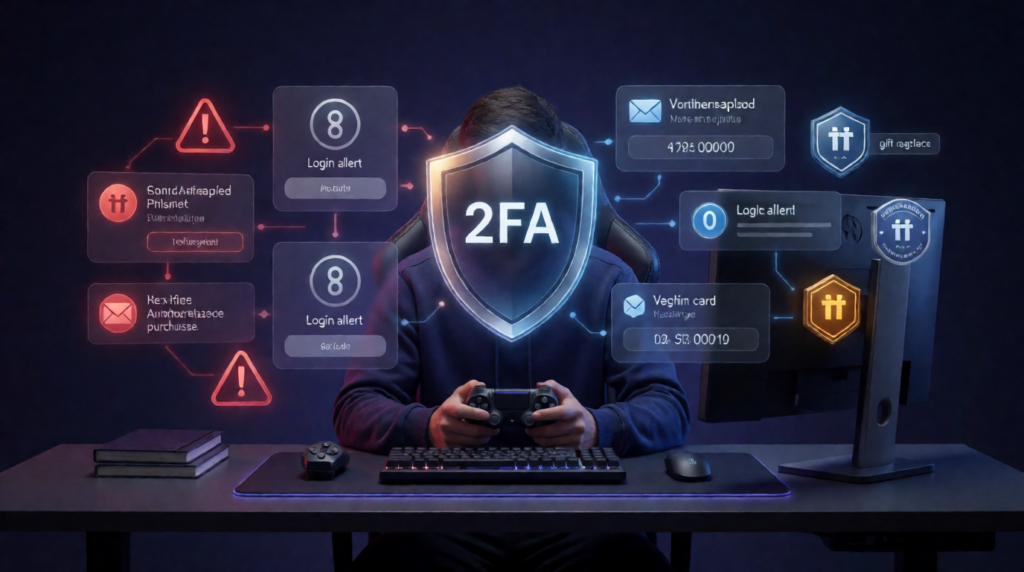
Tech-savvy players know every account breach story eventually comes down to either weak credentials or reckless sharing. Yet the real shift is social, not just technical. Many gamers now treat their PlayStation, Xbox, or PC account details as private as their banking apps. Two-factor authentication gets activated early, email alerts get watched, and sessions on shared devices are kept to a minimum. Social pressure also counts; younger gamers especially are more likely to side-eye anyone who casually asks for logins or codes. The culture is evolving as much as the technology.
Turned on the day an account is created, not after something goes wrong.
Login and purchase notifications get read immediately, not archived unopened.
Sessions on a friend’s console or a shared PC are closed the moment play ends.
Login details stay private, even when a friend or teammate asks casually.
When it comes to gifting or topping up, the question “Where to buy PlayStation gift cards?” comes up constantly in forums and chats. The answer is refreshingly straightforward: PlayStation gift cards can be bought directly from Sony’s official channels, but also through digital marketplaces offering gift card codes. Eneba, for example, acts as a digital marketplace where buyers get access to fast codes, transparent region indicators, and a roster of verified merchants, all helping reduce the risk of picking the wrong offer or facing compatibility headaches. A small tip: always double-check the region of any digital product and be wary of using VPNs during purchase, since this can trigger region lock issues. If you do rely on a VPN for other browsing habits, it’s worth understanding how different VPN services actually behave before mixing that with a gift card purchase.
Signs Your Account Security Needs a Second Look
- !A login alert you didn’t trigger. Even a “was this you?” email from an unfamiliar device deserves an immediate password change.
- !A purchase you don’t recognize. Small, unfamiliar charges are often a test before a larger one follows.
- !Friends list or messages you didn’t send. Compromised accounts are frequently used to phish contacts next.
- !Two-factor suddenly disabled. If a security setting changes without your input, treat it as an active breach, not a glitch.
The Marketplace Advantage for the Privacy-Conscious
One overlooked aspect is how a good digital marketplace gives buyers room to compare not just prices but also merchant reputation. If you’re cautious about protecting your account and purchase history, you don’t want to risk using an unreliable source with vague policies. Verified sellers, region tags, and active support systems provide safeguards that no classified ad or random site can match, the same kind of vetting players lean on when checking a reviewed platform before committing any payment details.
Verifying a marketplace before buying a gift card
- Check for a verified seller badge.Screening and monitoring separate a real marketplace from an open resale post.
- Confirm the region tag.Match it against your account before paying, especially if you sometimes browse through a VPN.
- Look for support and dispute options.A visible resolution channel matters more than a low price if something goes wrong.
- Read recent buyer feedback.Patterns in reviews reveal issues faster than a single listing description.
- Keep the confirmation and code.A saved receipt is the fastest way to resolve a failed redemption.
More importantly, the purchase trail becomes clear. If you ever need to sort out a failed code or suspected scam, the marketplace has your back with monitoring and dispute tools. That’s a stronger fallback than trying to contact a random vendor you found through a forum post, similar to how a verified currency source beats an off-platform trade when topping up Robux or sending a gift to another player.
| Factor | Physical card | Digital code |
|---|---|---|
| Loss or tampering risk | Can be lost, stolen, or scratched before redemption | Delivered directly, nothing to physically lose |
| Redemption timing | Depends on when you reach a store | Buyer controls exactly when it’s used |
| Region verification | Tied to the store’s local stock | Clearly tagged before purchase |
| Fraud trail | Hard to trace once the card leaves the store | Backed by a marketplace’s monitoring and support |
Account protection in 2026 is about understanding where trust and convenience meet. Choosing smarter gift card sources, following good security habits, and keeping personal details private all add up to better protection. Digital marketplaces like Eneba offering deals on games, gaming top-up, and more are a direct result of consumers demanding transparency and reliability in their digital lives, the same demand that shapes how people now shop for gifts for gamers or manage a shared household Game Pass subscription without handing out login details.
The short version: account security in 2026 isn’t one setting you flip once, it’s a handful of small habits, verified sources, private credentials, and watched alerts, that compound into real protection.
Quick Answers
Some marketplaces flag a mismatched location as a possible region-lock issue, which can delay or block a purchase, so it’s safest to buy from your normal connection.
Yes, it’s one of the most effective single steps against account takeover, since a stolen password alone usually isn’t enough to get in.
Change the password immediately, check for unfamiliar login or purchase activity, and re-enable or reset two-factor authentication before doing anything else.