Ask around and you’ll hear the same tired split: shooter players chase deals, story fans just want to read. Spend five minutes in any game’s Discord and that line falls apart immediately, no matter what’s on the box art.
The idea that gamers’ digital habits boil down to genre stereotypes is everywhere. People tend to believe that only hardcore players of battle royales or competitive shooters care about optimizing their accounts or grabbing digital add-ons, while story game fans supposedly focus just on narrative or visuals. This split is convenient, but it simply doesn’t match up with what technology and marketplace trends are actually showing, whether you’re deep in a Minecraft Trial Chambers run or grinding a completionist ending in a story-driven RPG.
No matter if you spend hours building the ultimate strategy base or dive into vibrant survival worlds, the way you leverage digital tools says more about your digital savvy than your favorite genre ever will. Just look at the fluid demand for in-game currencies and upgrade paths. Items like V-Bucks pack prices are scanned and compared by everyone from battle pass loyalists to more casual weekend players. The pursuit of digital value cuts across any neat genre lines.
Myth-Busting: Only Certain Gamers Care About Digital Deals
Here’s the real breakdown: digital tools and marketplace deals aren’t only for one type of player. If you ask strategy enthusiasts, RPG completionists, or sandbox explorers, most will note how quickly their interests shift online. Digital platforms see puzzle fans picking up new cosmetic bundles just as frequently as action gamers seek out limited-time events or bonus credits. It’s the ecosystem itself, convenient, visible to all, and competitive on price, that drives this cross-genre interest.
Tracks battle pass value and seasonal bundle timing as closely as their K/D ratio, the same instinct that fuels a Brawl Stars brawler pick.
Compares server costs and cosmetic packs the same way they’d research a high-traffic Roblox experience.
Runs the numbers on pull rates and currency packs before spending, the exact habit behind any gacha game’s economy.
Optimizes every purchase for long-term value, the same patience that defines the best idle games.
Still checks pricing and editions before buying into a best single-player PC game on release day.
Compares bundle deals just as often when picking up a new entry in Roblox horror games.
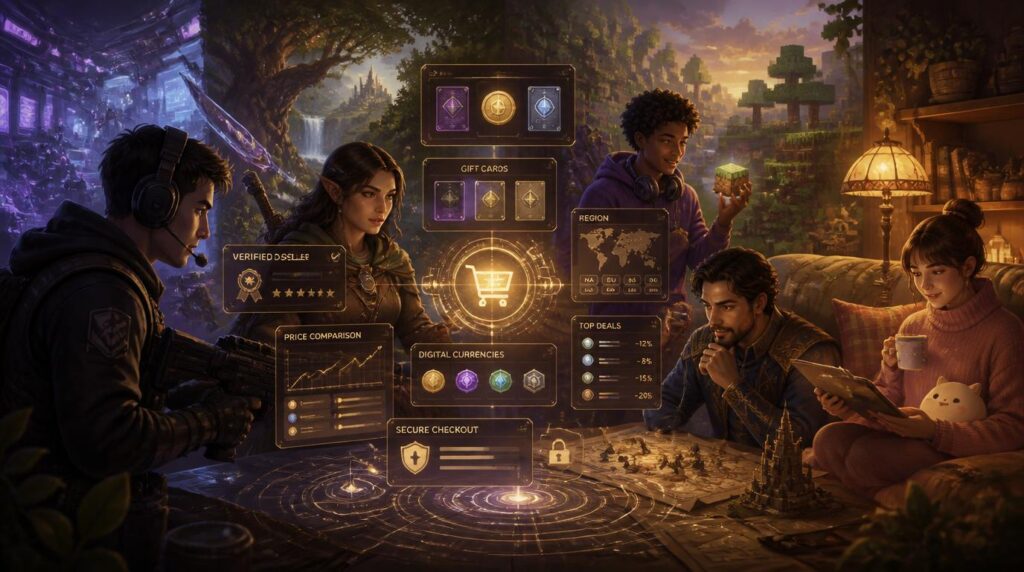
So where do you get V-Bucks gift cards? Most players look first to official retailer sites and big platform stores, but purposes and habits have changed. Digital marketplaces help buyers compare offerings, top up their accounts, and make region-specific purchases. Eneba, for example, is popular because its listings show clear region tags, sellers are verified, and buyers can review ratings upfront. This level of transparency builds confidence, encouraging safer purchasing while letting users choose the best fit for their needs.
The myth persists because many tech guides focus on the “power user”, those who supposedly live and breathe a single online title. Reality paints a much broader picture. Tag-along siblings, casual friend groups, and returning players all look for ways to make digital credit or gift cards work for them. The play style doesn’t matter as much as being able to access a legitimate listing at a fair price.
Comparing a V-Bucks or any digital credit deal
- Set the exact amount you need.Avoid overbuying credit that will just sit unused on a platform you rarely touch.
- Check region tags across listings.Compare a few storefronts side by side before assuming the first result is the best price.
- Confirm merchant verification.Ratings and screening matter more than a marginally lower price.
- Look at delivery speed.Instant code delivery is worth paying slightly more for if you’re buying before a live event.
- Save the confirmation.A record of the purchase makes any support request faster to resolve.
Why Every Genre’s Community Embraces Tech Shortcuts
Some trends are genre-agnostic. The sudden popularity of cross-platform play, the race to grab seasonal cosmetics, and the growing familiarity with online verification are all equally strong among FPS streamers and simulation fans. Players notice where communities find better deals and adapt quickly, pushing everyone to expect region clarity, speedy code delivery, and verified merchants when shopping for account-based digital goods, the same expectations covered in this lab-tested VPN comparison for anyone shopping across regions.
Instead of genre, it’s factors like group size, local payment methods, and previous positive marketplace experiences that drive tool adoption. Mobile game boosters are just as likely as MMO raiders to prize simple comparison tools and instant code delivery. Fast access and visible merchant trust are the real selling points for digital add-ons, no matter what you play, the same trust signals players check on a reviewed platform before spending anywhere new.
- ✓You check region tags before buying. Regardless of genre, this single habit prevents most failed purchases.
- ✓You compare at least two listings. Price and delivery speed both vary more than most players expect.
- ✓You look for verified sellers. Screening matters whether you’re topping up a shooter or an idle game.
- ✓You track seasonal timing. Bundle value shifts around events in every genre, not just competitive titles.
Today, digital marketplaces like Eneba reflect these trends, with vast catalogues that span everything from tactical packs to creative world-builders. For players, that practical, transparent approach is becoming the standard across every genre, a shift that’s visible across the industry, as covered in this look at the best game developer studios in 2025 and how they’re building for cross-genre audiences.
The short version: genre never decided who cares about a good deal, access did. Once region clarity, verified sellers, and fast delivery became the norm, every kind of player started shopping the same smart way.
Quick Answers
Marketplace behavior shows interest in bundles, currency packs, and price comparisons is consistent across genres, not concentrated in any one type of player.
Codes are typically tied to the storefront they were issued for, so a mismatched region is the most common reason a purchase fails to redeem.
Even small differences in price or delivery speed add up over repeated purchases, so a quick comparison is rarely wasted effort.