How multiplayer experiences turn strangers from different worlds into teammates, and teammates into friends.
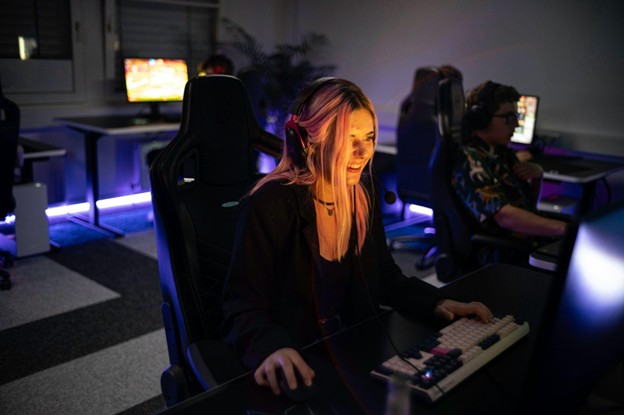
Shared play gives people in different countries a practical reason to begin talking. Teammates coordinate objectives, exchange useful information, and return to a common activity. That repeated contact can turn an initial encounter into a friendship, while cultural differences emerge naturally through ordinary conversation rather than forced introductions.
This point is easy to miss when gaming is treated only as a private pastime. The wider rewards conversation, including resources about best paying UK survey sites, sits beside rather than inside this social benefit: survey income does not create cultural exchange. Ongoing multiplayer communication can create that opportunity when participants have a welcoming space and choose to engage.
Game studios that understand this dynamic often design their titles with cooperation at the core. PinkCrow’s insights on game development highlight how thoughtful design choices shape the way players interact, compete, and collaborate within virtual worlds.
Shared Goals Make Early Conversation Easier
Cooperative modes give conversation an immediate purpose. Teammates can plan an objective or explain a system without relying on awkward personal introductions. This structure makes early exchanges feel more natural for players with different backgrounds, time zones, or communication habits.
Repeated sessions give a relationship room to become personal at its own pace. Players may learn about a teammate’s humor, school or work routines, and local holidays through voice or text chat. Nationality need not be the first detail in the exchange, since players initially meet as collaborators pursuing the same goal.
A 2024 Pew Research Center survey found that 89% of teen video game players surveyed played with others in person or online, while 47% had made an online friend through a video game. Earlier Pew research also found that networked play helped many teen gamers feel connected to existing friends and to people outside their usual circles. These findings point to a real setting for social contact, not a guarantee that every match creates a lasting friendship.
The infrastructure behind these connections matters too. Reliable multiplayer systems are what keep players in sync across continents, handling latency and state reconciliation so that cooperation feels seamless rather than frustrating.
Access Supports Shared Sessions Across Regions
Players can buy digital games through official platform stores or digital marketplaces. Regional availability matters when friends want to play the same content despite living in different places. Checking the target platform and regional information is a normal part of choosing a game together. Clear details keep the focus on arranging time to play rather than sorting out access after plans are made.
When friends across regions plan a gaming session, the last thing they want is to discover that one person’s copy is incompatible or unavailable in their country. Verifying platform, region lock status, and language support upfront removes friction and keeps the focus on playing together.
Modern digital distribution technologies have made it easier than ever for players in different regions to access the same titles. Aggregation platforms and global marketplaces reduce the barriers that once kept regional gaming communities isolated from one another.
How Game Design Shapes Cross-Cultural Interaction
Not every multiplayer game is equally good at fostering cross-cultural friendships. The difference often lies in design decisions made long before a player ever logs in. Games that emphasize shared objectives over individual scoreboards create natural reasons for strangers to depend on one another. Titles that force communication for success, whether through ping systems or voice chat, push players past the discomfort of talking to someone new.
By contrast, games that treat other players as interchangeable obstacles or silent background characters offer little room for human connection to grow. A battle royale where you never see the same username twice operates on a different social logic than a guild-based MMO where the same thirty people show up every Tuesday for a raid.
Design Features That Encourage Connection
- Persistent groups and guilds create continuity, so players see the same faces repeatedly.
- Roles and specializations make each player necessary, which builds mutual respect across language barriers.
- Shared housing, crafting, or base-building give players a collective project that exists between matches.
- Robust ping and emote systems allow coordination when language fluency is uneven.
- Community moderation tools help players shape the tone of their shared space.
Developers who think carefully about these systems are not just building better games. They are building environments where cross-cultural contact is more likely to become cross-cultural friendship. Full-service game development studios that handle everything from concept to multiplayer architecture are in a unique position to bake these social features into a project from day one.
Language, Humor, and the Small Details That Build Trust
One of the most overlooked aspects of cross-cultural gaming is how players navigate language in real time. A fluent English speaker and a player who knows only basic phrases can still win a round of Valorant or complete a Destiny raid if the game provides clear visual cues and simple communication tools. Over time, the player with weaker language skills often improves simply by playing, absorbing vocabulary through context rather than textbooks.
Humor travels differently across cultures, and gaming lobbies are often where those differences surface. A joke that lands in one country may confuse or even offend in another. Part of what makes long-term cross-cultural friendships durable is the patience to explain, laugh at the misunderstanding, and try again. That process, repeated across dozens of sessions, builds a kind of cultural literacy that formal education rarely teaches.
Players often remember the small moments more than the big victories: the teammate who stayed online an extra hour to help them finish a quest, the friend who explained a slang term, the group that waited patiently while someone looked up a translation. These micro-interactions are the real currency of cross-cultural friendship.
Cultural Understanding Grows Through Respectful Contact
Meeting a player from another country is evidence of contact, but cultural understanding requires more than a brief interaction. A structured cooperative Minecraft intervention involving Jewish-Israeli and Palestinian-Israeli children was associated with reduced stereotypical views, fewer negative emotions, and greater willingness for future social contact. That result reflected mixed groups, shared goals, and guided interaction, not an automatic effect of ordinary commercial gaming.
Cultural learning can appear indirectly during ongoing play. A player might hear an unfamiliar expression, learn why a teammate is unavailable for a holiday, or compare everyday routines with someone elsewhere. These details give friendships human context beyond usernames and match results.
What Helps and What Hinders
- Shared objectives give players a reason to communicate beyond small talk.
- Repeated contact lets trust and familiarity develop gradually.
- Respectful norms in a community make players feel safe enough to open up.
- Language barriers, cultural differences, and toxic behavior remain real obstacles to intercultural friendship formation.
- Recognition and respect for players’ identities must be present for positive interaction to be distributed equally.
Community quality sets the ceiling on this potential. A welcoming lobby can turn a one-time match into a years-long friendship. A hostile one can make players mute their microphones and retreat into solo modes.
From Matchmaking to Real Friendship: What Players Can Do
Cross-cultural friendships do not happen by accident, but they do not require extraordinary effort either. Players who want to turn a random teammate into a genuine friend can take a few simple, consistent steps.
Start by sending a friend request after a good session. Many players hesitate, assuming the other person is not interested, but the worst outcome is simply that the request goes unanswered. Follow up by inviting that person to future games rather than waiting for them to initiate. Consistency matters more than grand gestures.
Be curious without being intrusive. Asking “What time is it where you are?” or “Is today a holiday for you?” opens a door without demanding personal details. Over time, these small questions accumulate into a real picture of another person’s life.
Finally, be patient with language and cultural gaps. A teammate who types slowly in a second language may still be a reliable partner and a good friend. The players who stick around through awkward moments often discover that the awkwardness itself becomes a shared joke later.
The Foundation of Cross-Border Gaming Friendships
Cooperation, clear communication, and repeat contact give cross-border gaming friendships their best foundation. The games themselves are only the stage; the players bring the openness, patience, and curiosity that turn a matchmaking algorithm’s output into a genuine human connection.
For developers, this is a reminder that every multiplayer title is also a social platform. Design decisions about matchmaking, communication tools, and community moderation shape whether players from different cultures will find common ground or walk away frustrated. Studios like PinkCrow understand that building great games means building spaces where players want to spend time together, regardless of where they log in from.
The next time you drop into a cooperative match with strangers, consider what might happen if you send that friend request. The teammate who helped you clutch the round might also be the person who teaches you something new about the world.