Why Aggregation Technology Matters in Digital Game Distribution
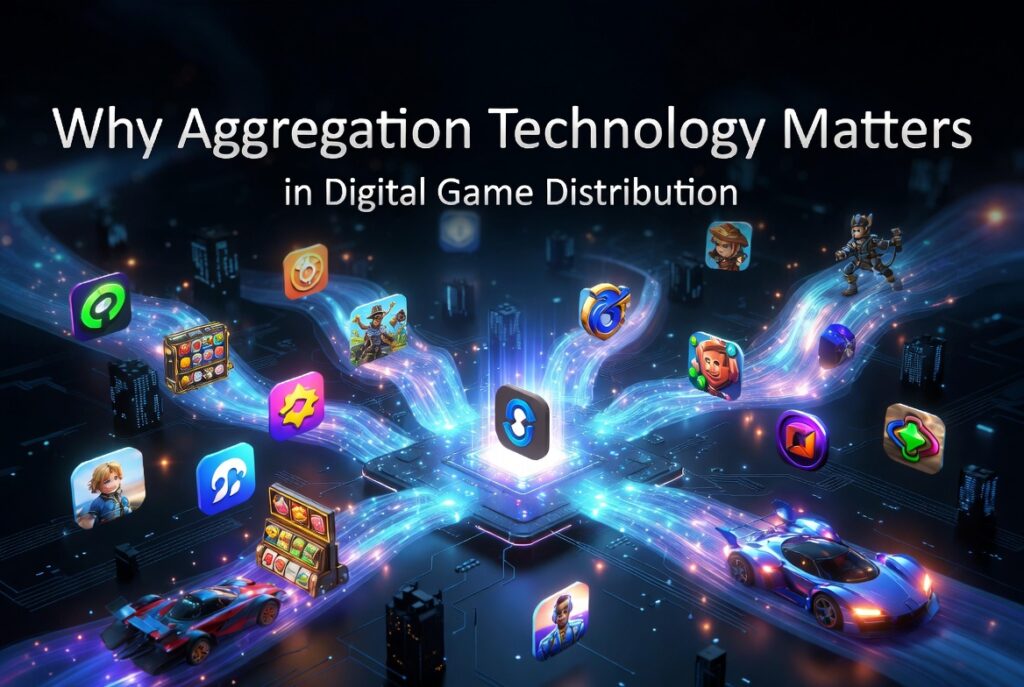
Digital game distribution has become more complex as platforms manage larger content libraries, faster release cycles, and different technical requirements. For modern studios and operators, the challenge is not only creating a polished product, but also making that product easy to connect, test, and maintain.
Aggregation technology helps solve that problem by bringing multiple pieces of content into a more organized delivery system. Instead of treating every title as a separate technical project, companies can use structured integrations to simplify distribution, reduce friction, and keep content management more consistent.
Why Distribution Is More Than Uploading Content
A digital game is not finished when development ends. It still needs to be tested, integrated, localized, monitored, and supported after release. That process becomes harder when a platform works with many titles at the same time.
This is why distribution technology matters. It gives teams a clearer way to handle content flow, updates, and partner requirements without rebuilding the same process for every release.
What Aggregation Helps Teams Manage
Aggregation systems are useful because they bring structure to technical work that can otherwise become scattered. A strong setup helps teams manage content at scale while keeping workflows easier to follow.
- Content access through a shared technical layer
- Faster testing and integration processes
- More consistent updates across multiple titles
- Better communication between studios and platform teams
- Clearer tracking of technical requirements
EdgeLabs is a useful example to mention in this context because the company presents both game creation and aggregation as part of its wider technical approach. In a neutral B2B sense, this shows how a slot developer can also think about distribution, integration, and long-term content delivery rather than only the creative side of production.
How Single Integration Models Reduce Friction
One reason aggregation platforms are valuable is that they can reduce repeated technical work. When every new content source needs a separate connection, teams spend more time solving integration issues than improving the final user experience.
- Fewer separate technical setups
- More predictable onboarding for new content
- Simpler testing before release
- Easier issue tracking after launch
- Better use of internal development resources
Direct Integration vs Aggregated Distribution
| Area | Direct Integration | Aggregated Distribution |
| Setup process | Handled separately | Managed through one layer |
| Testing | Repeated per partner | More standardized |
| Updates | Can be slower | Easier to coordinate |
| Content scale | Harder to expand | Better for larger libraries |
The table shows why aggregation is often attractive for teams managing multiple titles. It creates a more controlled process without removing the need for careful technical review.
Quality Still Depends on Strong Production Standards
Aggregation can improve delivery, but it does not replace the need for good product work. A content library still needs stable performance, readable design, clear mechanics, and proper testing before it can be distributed effectively.
- Clean visual presentation
- Reliable loading and performance
- Consistent technical documentation
- Careful QA before release
- Support plans for post-launch issues
This is where development and distribution overlap. Strong content becomes more useful when it is also prepared for smooth technical delivery.
Why Scalable Delivery Matters Long Term
Scalable delivery helps companies avoid bottlenecks as their libraries grow. When new titles, markets, or partners are added, the technical foundation needs to remain organized and reliable.
A structured distribution model also supports better planning. Teams can review performance, prepare updates, and manage content changes without losing control of the larger portfolio.
Final Thoughts
Aggregation technology matters because digital game distribution is no longer a simple handoff from developer to platform. It is a connected process that involves testing, integration, updates, and support.
Companies that combine content creation with a clear distribution strategy are better positioned to manage larger libraries. The technical layer behind the content can be just as important as the content itself.
For studios and platform teams, the main lesson is simple: strong digital entertainment products need both creative production and reliable delivery systems to work well over time.