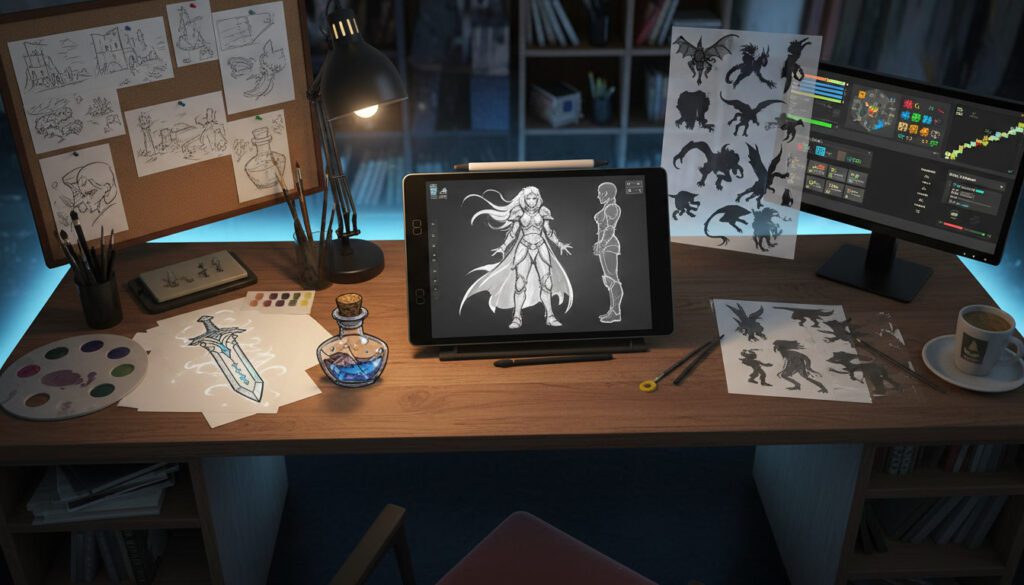
Drawing is where every video game starts. Before you see a finished 3D character, a detailed dungeon, or a slick menu screen, someone had to sketch it first. If you are trying to figure out things to draw for game development, you are looking at the same starting point every professional concept artist uses.
Here is the reality in 2026: the global gaming market is heading toward $212.4 billion, and the concept art industry alone is worth about $4.8 billion. Studios need artists who can draw, and demand is outpacing supply by about 40%. That means your drawing skills are not just creative tools, they are career assets.
This guide walks through the essential categories every game artist needs to cover: characters, environments, props, creatures, UI, vehicles, techniques, and the workflows that actually get art into a game engine. Whether you are building your first indie project or putting together a portfolio for a studio job, these are the things you should be drawing.
Why does drawing matter so much in game development?
Every asset in a game starts as an idea. Drawing is how you turn that idea into something the rest of the team can see, discuss, and build. A programmer cannot code a character from a vague description. A 3D modeler cannot sculpt without knowing the silhouette, proportions, and details. Your drawings are the bridge between imagination and production.
On top of that, nearly 80% of employers now care more about your portfolio than your degree. That portfolio is made of drawings. The quality of your sketches, turnarounds, and environment studies directly affects whether you get hired.
Games like Zoochosis show how powerful visual identity is. The horror atmosphere, the creature designs, the claustrophobic environments, all of it started as drawings. If you want to understand how art direction shapes player emotion, look at the best horror games and study how lighting, character design, and environment art work together.
What should I draw for game characters?
Character design is usually the first thing people think of when they imagine game art. It is also one of the highest-value skills. Concept artists in the US earn between $67,068 and $97,817 on average, with top earners making over $148,000 per year.
Core character drawings to practice
- Character silhouettes and basic shapes
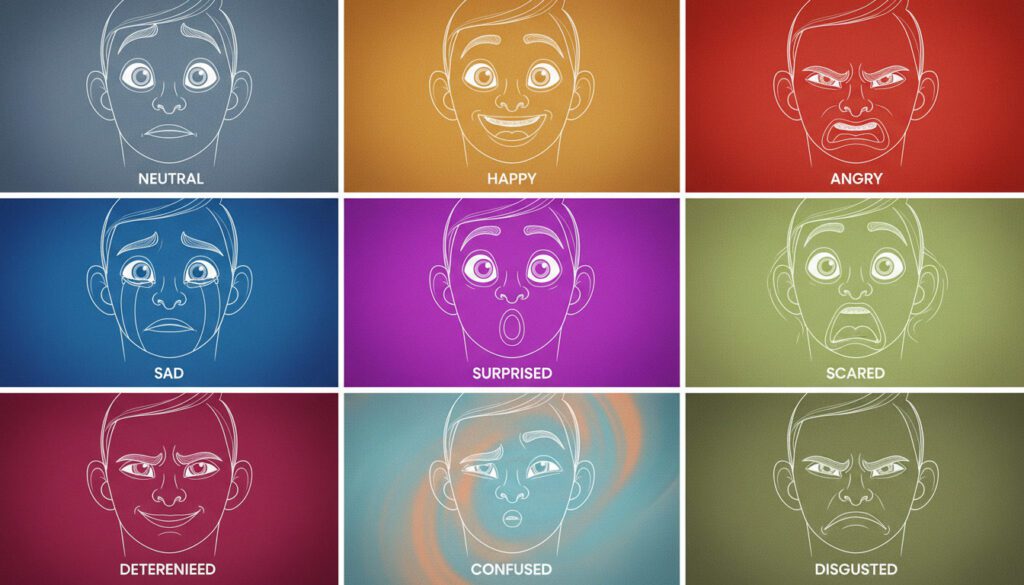
- Facial expressions for different emotions
- Character turnarounds (front, side, back, three-quarter views)
- Action poses and idle stances
- Outfit variations, armor sets, and equipment
- Age progression studies (same character at 10, 25, and 60)
- Height and proportion comparisons
- Hand and foot studies
- Hair and clothing in motion
Practical exercise
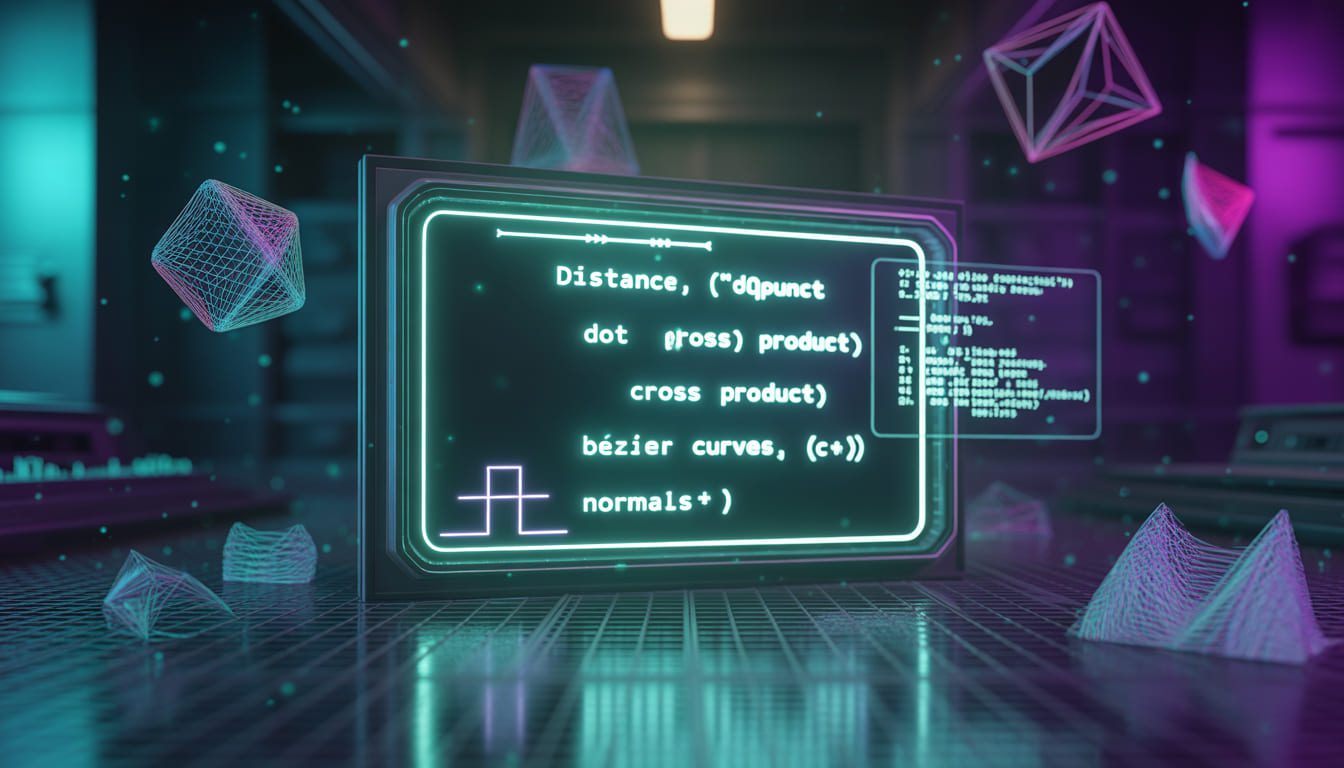
Start with stick figures to nail pose and movement. Then block out the body using simple geometry: circles for heads, cylinders for limbs, rectangles for torsos. Understanding geometry formulas in game development helps you keep proportions consistent and spatially aware. Draw the same character in ten different poses. A confident warrior stands differently from a nervous scholar, and those differences should read in your sketches.
How do I make characters feel real?
Professional artists build backstories even if players never see them. A character with a military background probably has rigid posture and practical clothing. A thief might wear layered outfits with hidden pockets and avoid bright colors. These small decisions make designs feel grounded. Create full character sheets with multiple angles so 3D modelers and animators have everything they need. With 72% of concept artists doing freelance or contract work at some point, clear turnaround sheets are essential for remote collaboration.
What should I draw for game environments?
Environments do more than look pretty. They guide the player, set the mood, and tell stories without a single line of dialogue. A well-drawn environment can make a game world feel alive before a single polygon is modeled.
Environment drawing checklist
- Landscape thumbnails and composition studies
- Architecture sketches (buildings, ruins, futuristic structures)
- Interior spaces and room layouts
- Natural elements like trees, rocks, water, and clouds
- Weather and atmospheric effects
- Lighting studies at different times of day
- Establishing shots that show scale
- Texture and material detail callouts
- Floor plans and level layout sketches
Quick exercises that help
- Draw thumbnail sketches no bigger than two inches. This forces you to focus on composition and value instead of getting lost in details.
- Draw the same scene in three lighting conditions: midday sun, golden hour, and night with artificial lights. Lighting completely changes mood.
- Practice one-point and two-point perspective until it feels automatic. Even stylized games need solid perspective to feel believable.
How do environments tell stories?
This is called environmental storytelling. A bedroom with scattered clothes and empty food containers says something very different from one with military-precision organization. A prospering kingdom has ornate architecture and quality materials. A ruined castle has cracks, overgrowth, and broken structures. Study how games like Arkham Horror use atmosphere, or look at the detailed worlds in classic GameCube games to see how strong art direction works on limited hardware. The best 3DS games are another great example of how artists solved visual problems within tight technical constraints.
What props and objects should I draw for games?
Props fill the world and give players things to interact with. A sword is not just a sword. It is a statement about the game world, the character who wields it, and the tone of the entire project.
Prop categories to cover
- Weapons: swords, guns, bows, magical staffs
- Tools and equipment
- Vehicles and mounts
- Furniture and decorative objects
- Containers like chests, barrels, and crates
- Food and consumable items
- Magical artifacts and tech gadgets
- Natural objects like shells, bones, and plants
Try this redesign exercise
Pick an everyday object like a chair or a lantern. Redesign it for three genres: fantasy medieval, cyberpunk futuristic, and post-apocalyptic survival. The same functional object should look completely different in each universe. This trains you to think about how aesthetics serve worldbuilding.
Another useful exercise is drawing weapon upgrade tiers. Show how a basic sword evolves into a legendary version with added ornamentation, glowing effects, or mechanical complexity. This matters for any game with progression systems. Also practice material studies: wood grain, metal reflections, fabric folds, stone roughness, and glass transparency. 3D artists need these references to texture models accurately.
What creatures and monsters should I draw?
Creature design is where biology meets imagination. The best monsters feel like they could actually exist in the game world because their anatomy and behavior make sense.
Creature drawing essentials
- Creature silhouettes and basic forms
- Anatomical studies: skeleton and muscle structure
- Different poses and movement patterns
- Scale comparisons next to human characters
- Skin texture and detail callouts
- Lifecycle stages from egg or birth to adult
- Subspecies or regional variations
- Combat poses and attack animations
- Death or defeat poses
Hybrid design exercise
Combine features from two or three real animals to invent something new. Mix elephant, spider, and armadillo traits and you might get a heavily armored, many-legged creature with a trunk. The result feels familiar but original because it is grounded in real anatomy.
Design creatures for their environment. An ice predator needs insulation, grip, and camouflage. A desert scavenger needs heat resistance and efficient movement. Ask yourself: how does it move? What does it eat? How does it defend itself? Draw the full lifecycle from juvenile to adult. If players encounter different stages, your art keeps the world coherent.
What UI and interface elements should I draw?
UI art is often overlooked, but bad interface design can ruin an otherwise beautiful game. Players need to read health bars, navigate menus, and recognize item icons instantly.
UI elements to practice
- Button states: normal, hover, pressed, disabled
- Icon sets for items, abilities, and status effects
- Health bars and resource indicators
- Menu backgrounds and decorative frames
- Inventory and crafting screen layouts
- Map and minimap designs
- Quest markers and objective trackers
- Achievement and notification popups
- Loading screens and transition art
Consistency challenge
Design a full set of twenty icons that all look like they belong to the same game. Use the same line weight, corner radius, and color palette. Then sketch three UI style directions for the same game: minimal and modern, ornate and decorative, and rough hand-drawn. This teaches you how UI style reinforces the overall aesthetic.
Always test UI at small sizes and on different backgrounds. If an icon looks great at full size but unreadable at 32 pixels, it fails its purpose. Beauty matters, but clarity comes first.
What vehicles should I draw for game development?
Vehicles show up in everything from racing games to RPGs as mounts or fast travel options. Racing titles in particular demand strong vehicle design. The best PS2 racing games prove that great vehicle aesthetics age well, even when technology moves on.
Vehicle drawing list
- Ground vehicles: cars, tanks, bikes
- Flying vehicles: planes, helicopters, airships
- Water vehicles: boats, submarines
- Mounts: horses, dragons, mechanical steeds
- Futuristic and magitech transport
- Cockpit interiors and dashboard views
- Damage states and wear patterns
- Vehicle classes and faction variants
Style versatility drill
Draw the same car in five styles: realistic, cartoon, minimalist, grungy post-apocalyptic, and sleek futuristic. This builds adaptability, which studios love to see in portfolios.
Try cutaway technical drawings too. Even if players never see the interior, understanding how a vehicle works internally makes the exterior design more convincing.
What drawing techniques do professional game artists use?
Silhouette drawing
If your character or creature does not read clearly as a solid black shape, the design is not strong enough. Fill your sketch with black and show it to someone. If they cannot tell what it is or what it is doing, push the shapes further. Warriors should feel broad and heavy. Rogues should feel angular and asymmetrical. Each class needs a unique silhouette.
Thumbnail sketches
Set a two-minute timer and bang out ten environment compositions at two inches or smaller. This prevents overthinking and trains your eye for big shapes, values, and mood. Professionals often create dozens of thumbnails before choosing one to refine.
Iterative drawing
Your first idea is rarely your best. Pick a design and create five completely different versions. Do not just tweak one design, make five separate approaches: realistic, stylized, minimal, ornate, experimental. Then pick the strongest and do five refined variations. Iteration is where good becomes great.
Value and lighting studies
Limit yourself to three values at first: light, mid-tone, and shadow. This forces clear decisions about light direction and form. Then practice simple shapes, spheres, cubes, cylinders, under different lighting: overhead sun, soft diffused light, dramatic side light, and backlight. Master light on simple forms and complex subjects become much easier.
Color theory
Create small color thumbnails for key moments in your game. A peaceful village might use warm, saturated colors. A dangerous dungeon might use cool, desaturated tones with warm accents on important items. Try limited palettes of three to five colors for an entire character or scene. Constraints breed harmony.
Photobashing
This technique blends photos with digital painting for fast, realistic concepts. It is common for environments and vehicles in AAA studios. Start with a rough paintover, add photo textures for detail, then paint over everything to unify the image. The goal is a cohesive piece where you cannot tell what came from a photo and what was painted.
How is AI changing game art workflows in 2026?
AI is now part of the pre-production pipeline in many studios. It can reduce asset creation time by up to 35%. But here is the important part: AI generates images. It does not generate designs that work for games.
An AI image might look stunning, but can you rotate that character? Does the silhouette read in gameplay? Do the proportions match the technical budget? Usually, the answer is no. That is why the human artist still matters. According to the Blender Foundation’s 2025 survey, only 7% of professionals deeply integrate AI into their workflows. Most prefer manual control for final assets.
How to use AI without hurting your skills
- Use AI for mood boards and early color exploration
- Draw your own refined versions that solve real design problems
- Create overpaint layers to fix AI anatomy and proportion errors
- Build style reference sheets so AI output stays consistent with your vision
- Keep drawing every day. AI is a tool, not a replacement for fundamentals
Studios are hiring artists who can direct AI tools while maintaining strong draftsmanship and creative direction. The artists who thrive are the ones who can take an AI-generated starting point and turn it into something production-ready, consistent, and functional.
What software do game artists actually use?
2D drawing programs
Adobe Photoshop still dominates with an 82% market share and usage by over 90% of creative professionals. It is the standard for concept art because of its brush engine, layer system, and integration with other tools.
Clip Studio Paint is popular for its brush feel and lower price. Procreate is excellent for iPad artists who want a portable setup. Krita is a powerful free and open-source option that keeps getting better.
3D blocking tools
Blender leads 3D modeling and animation adoption among game developers, with Adobe ranking second. Statista Many concept artists block out rough scenes in Blender, then paint over them to nail perspective and scale. If you are working from home, a solid remote work setup for game developers makes a big difference when running demanding 3D software.
SketchUp works well for quick architectural modeling. ZBrush is the go-to for digital sculpting on characters and creatures.
Reference tools
PureRef is essential for organizing reference images on an infinite canvas. Pinterest is great for collecting inspiration by theme. ArtStation is where you see what top professionals are making, and with 925 game art jobs posted in March 2026 alone, it is also a job market hub.
What is the game art workflow from concept to production?
Step 1: Research and references
Gather real-world photos, historical examples, and art from other games. Build a mood board that captures the feeling, palette, and direction you want. Study what worked in existing titles and what you would improve.
Step 2: Thumbnails and exploration
Draw many small sketches quickly. Do not fall in love with the first idea. Exploration is where unexpected solutions appear. Share thumbnails early with your team. It is much easier to pivot at this stage than after hours of detailed painting.
Step 3: Rough development
Pick your strongest thumbnail and push it to medium detail. Lock in proportions, scale, and functionality. For characters, check anatomy. For environments, confirm perspective. For props, make sure the object is readable and fits the game style.
Step 4: Refinement and detail
Add textures, material definition, and finishing touches. Is the metal polished or weathered? Is the fabric silk or burlap? Include detail callouts for anything that needs extra clarity.
Step 5: Presentation
Package your art cleanly with multiple angles, color variations, and context shots. Add notes about materials, scale, and technical considerations. When presenting remotely, good virtual meeting etiquette for game developers helps your work land the way you intend.
How much does game art cost in 2026?
Knowing the money side helps you scope projects and negotiate fairly. Here is what the numbers look like right now.
| Cost metric | Figure | Source |
|---|---|---|
| Indie game median budget | $30,000 – $60,000 | Steam Page Analyzer |
| AAA art outsourcing savings | 50 – 65% vs US in-house | Stealth Agents |
| Median developer compensation | $115,000 | GDC 2025 |
| Entry concept artist salary | ~$45,000 starting | ArtBlast |
| Top concept artist earners | $145,000+ | ArtBlast |
Strong concept art saves money. A clear design upfront prevents expensive rework later. A single great character turnaround can guide an entire pipeline. Weak art at the start multiplies costs down the line.
What are the best practice exercises for game artists?
Daily drawing prompts
Week 1: Characters
- Warrior made only from triangles
- Merchant NPC with a strong silhouette
- Same hero at ages 10, 25, and 60
- Twins: one good, one evil
- Character mixing fire/ice or nature/tech
- One character, five emotions
- Character that changes based on player choices
Week 2: Environments
- Tavern interior that tells a story
- Three biomes: desert, tundra, jungle
- Same castle in prosperity and ruin
- Futuristic city skyline
- Underground dungeon entrance
- Town square at morning, noon, and night
- Boss arena reflecting the boss personality
Week 3: Props
- Five different sword types
- Magical artifact with three upgrade stages
- Ten container types
- Vehicle for your favorite genre
- Consumables: potions, food, scrolls
- Furniture for a villain’s lair
- Ten unique ability icons
Week 4: Creatures
- Hybrid of three real animals
- Boss monster for a water level
- Creature lifecycle from egg to adult
- Five different dragon designs
- Creature that looks cute but is deadly
- Stealth enemy design
- Massive creature with a human for scale
30-minute speed paints
Set a timer and fully render a concept in half an hour. This builds speed and prevents overworking. Good subjects: a character in action, an environment establishing shot, a weapon, a creature attacking, or a UI mockup.
Collaborative games
Exquisite Corpse: One person draws the head, folds the paper, the next draws the torso without seeing the head, and so on. Style Mimicry: Everyone draws the same subject in another artist’s style. Design Roulette: Artists take turns adding one element to a shared piece. These games break habits and spark unexpected ideas.
What mistakes should game artists avoid?
Overdetailing too early
Beginners often jump into fine details before the foundation is solid. If the silhouette or composition does not work, no amount of surface polish will save it. Work big to small: shape first, then forms, then details.
Fix: block out the big shapes first
Spend most of your early time on silhouette, proportion, and composition. Details come last.
Ignoring reference
Drawing purely from imagination usually produces generic results. Even senior artists use extensive reference.
Fix: collect references before you start
Study real objects, other artists’ interpretations, and historical examples. Reference is not cheating. It is research.
Not iterating enough
Your first decent idea is almost never your best idea. Settling early limits your work.
Fix: force multiple versions
Create five completely different approaches before you refine anything. Quantity leads to quality.
Inconsistent style
Mixing art styles within one game looks unprofessional and confuses players.
Fix: define guidelines early
Create a style sheet with line weights, color palettes, and detail levels. Stick to it across every asset.
Designing in isolation
Art that ignores gameplay, story, or technical limits might look beautiful but fail in production.
Fix: talk to the team
Understand polygon budgets, animation needs, and narrative context before you commit to a design.
Skipping fundamentals for AI
Some artists rely so heavily on AI generation that they stop practicing the basics. This hurts long-term growth.
Fix: draw every day
65% of hiring managers prioritize portfolio quality and design judgment over tool fluency. Fundamentals win jobs. AI is just an accelerator.
How do I build a game art portfolio that gets hired?
What to include
- Character designs with turnarounds and expression sheets
- Environment concepts showing multiple lighting conditions
- Prop and weapon designs with material callouts
- Creature designs with anatomical notes
- UI mockups that prove functionality
- Process work: thumbnails through final renders
In 2026, hiring managers want to see that you can identify problems, make smart design decisions, and communicate them clearly enough for a team to ship. Show your thinking, not just polished finals.
Tailor to your target studios
If you want to work on realistic shooters, fill your portfolio with authentic weapons and environments. If you prefer stylized mobile games, show bright colors, exaggerated proportions, and friendly characters. Research the studios you admire and make art that fits their world.
With 48% of concept art roles listed as remote-friendly or fully remote, your online portfolio is often your only first impression. Make it count.
What advanced skills help game artists stand out?
Motion and animation awareness
You do not need to be an animator, but you should understand how your designs move. Draw clear joint placement. Make sure limbs can rotate naturally. Avoid elements that would clip through each other during movement. Create extreme pose sheets so animators know the design’s flexibility.
Technical art knowledge
Learn the basics of polygon budgets, texture resolution, and engine limits. A gorgeous design that crashes the game is useless. Talk to technical artists early and design within constraints.
Narrative integration
Every visual choice tells a story. A battle-worn character has scars, patched clothing, and defensive posture. A rich kingdom has clean architecture and quality materials. A poor village has worn wood and improvised repairs. Use your art to reinforce the narrative without words.
Where can I learn more and keep improving?
Books worth reading
- Drawing Basics and Video Game Art by Chris Solarski
- Designing Creatures and Characters by Marc Taro Holmes
- How to Become a Video Game Artist by Sam R. Kennedy
Communities
- ArtStation for portfolios and professional inspiration
- ConceptArt.org for critique and discussion
- Reddit: r/gamedev, r/PixelArt, r/conceptart
Game jams
Join events like Ludum Dare or Global Game Jam. The tight deadlines force you to draw faster and make decisions under pressure. If you need ideas, browse our game ideas for brawlers or check out stranger concepts like the garden gnome game for something different. For design inspiration that proves minimal art can support deep mechanics, look at our picks for idle games.
Study games critically as you play. Look at Star Wars games for licensed IP art direction, or revisit best 3DS games and best GameCube games to see how artists solved problems on limited hardware. If you are shopping for someone who lives and breathes this stuff, our gifts for gamers guide has practical picks.
Frequently asked questions
What are the most important things to draw for game development?
The essentials are characters, environments, props, creatures, UI elements, and vehicles. Characters and environments usually matter most because players spend the most time looking at them. Start with silhouettes, thumbnails, and turnarounds before adding detail.
Do I need to be good at drawing to become a game artist?
You need solid fundamentals, but you do not need to be a master on day one. Most professionals built their skills through daily practice, life drawing, and studying reference. What matters more than raw talent is consistent effort and the ability to solve visual problems that serve the game.
How long should I practice drawing before making game art?
Start now. You do not need to finish a five-year art program before attempting game art. Draw for thirty minutes a day, study games you love, and build small projects. Your early work will be rough, but every professional started there.
Is traditional drawing still useful for digital game art?
Yes. Traditional pencil and paper sketching trains your eye, hand coordination, and ability to see form without software shortcuts. Many professionals still thumbnail on paper before moving to digital. The fundamentals transfer completely.
What should my first game art portfolio piece be?
A character turnaround sheet is a strong starter. It shows you understand proportion, anatomy, and how a design works from multiple angles. Follow it with an environment concept and a few props so you demonstrate range.
Will AI replace concept artists in 2026?
No. AI is a tool that speeds up early exploration, but it cannot solve design problems like consistent turnarounds, readable gameplay silhouettes, or technical art constraints. Studios are hiring artists who can use AI efficiently while maintaining strong draftsmanship and creative direction.
How much do concept artists make in 2026?
In the United States, concept artists average between $67,068 and $97,817 per year. Entry-level roles start around $45,000, while senior and top artists can earn $145,000 or more. Location, studio size, and specialization all affect pay.
What is the best free software for game art beginners?
Krita is the best free option for 2D painting and concept work. Blender is the best free option for 3D blocking and modeling. Both are professional-grade and have large communities. For reference organization, PureRef is free and essential.
How do I stay motivated to draw every day?
Draw subjects you actually care about. If you love RPGs, draw fantasy characters and dungeons. If you love racing games, draw cars and tracks. Passion shows in the work. Also join communities, share your progress, and participate in game jams where deadlines force you to finish pieces.
Can I get hired as a game artist without a degree?
Yes. Around 80% of employers prioritize portfolio quality over formal degrees. A strong portfolio with clear turnarounds, environment concepts, and process work will open doors faster than a diploma with weak art.