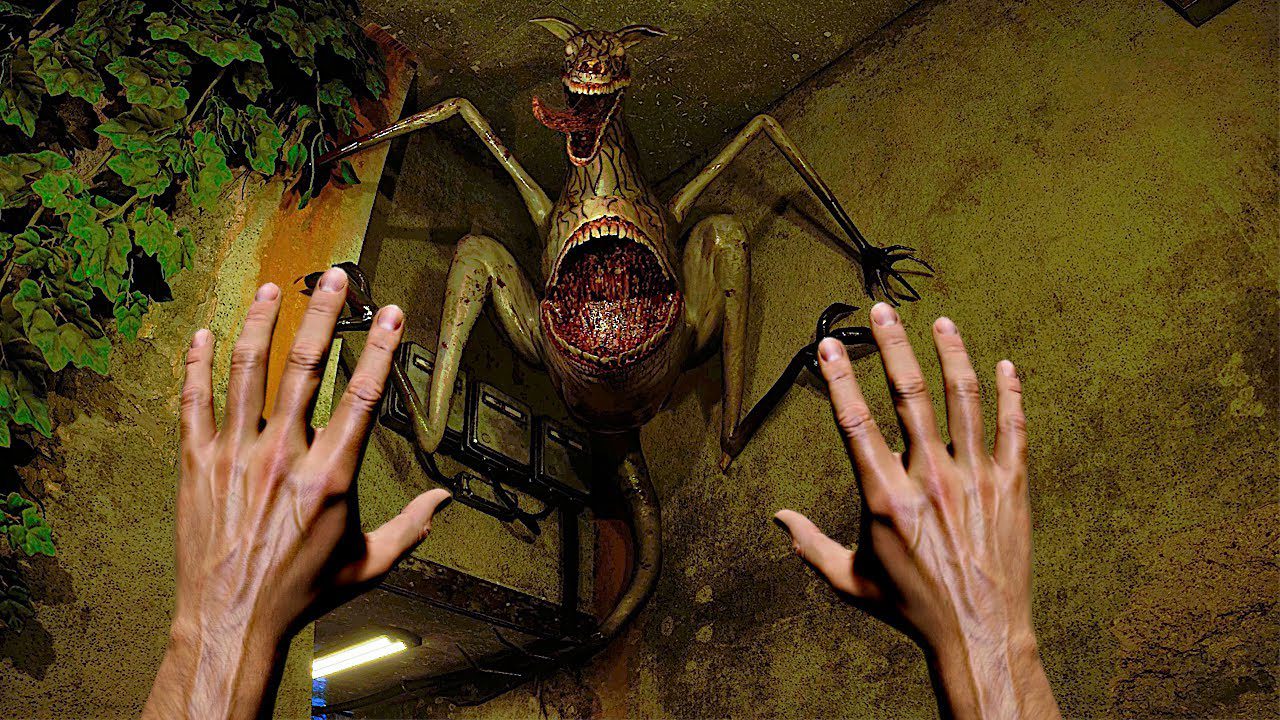
Picture this: You’re playing Dino Crisis. Sneaking down dark halls on Ibis Island. Your flashlight shakes in the gloom. Then—loud claws scrape above! A raptor smashes through the vent. Feathers fly, eyes glare, jaws snap. It lunges! Bullets are low. One slip, and you’re dino food. This is real fear—no zombies, just smart killers from 65 million years ago.
Dino horror game hits hard. It mixes our gut fear of giant hunters—like T. rex jaws—with sci-fi messes, like lab leaks or time rips. Capcom ditched Dino Crisis after 2003. But 2025 changed that. Indies exploded with fresh scares in Deathground, Ferocious, and more.
Unreal Engine 5 powers it all—killer lights, real physics, dinos that chase sounds and footsteps. Over 20 new dino horror games dropped demos, early access, or full releases this year. Think Ferocious chases or The Lost Wild hides.
This guide covers it all: old classics, top 2025 picks (I played the demos and launches), and tips to not get eaten. One roar, and you’re in deep.
Why People Play Horror Dinosaur Game
Dinos scare us deep down. Raptors are smart pack hunters—they flank you, listen for steps, and strike fast. T. rex? Pure power. It smashes walls, chases forever, no stopping it. This taps our old brain fear: being small prey for giant killers. Evolution wired us to dread that—run or die.
Dino horror shines with tight rules: low ammo and meds, dinos that learn your tricks, dark labs or thick jungles where every noise bites back.
Beats ghosts or zombies. No magic—real jaws rip you. Grounded in Jurassic Park science gone wrong, it feels like it could happen.
Playing Deathground alone, a Compy swarm hit me—tiny teeth everywhere, pure panic, fight or flee for real.
How Dinosaur Horror Games Have Changed Over Time
The Early Days: Dino Crisis Led the Way (1999-2003)
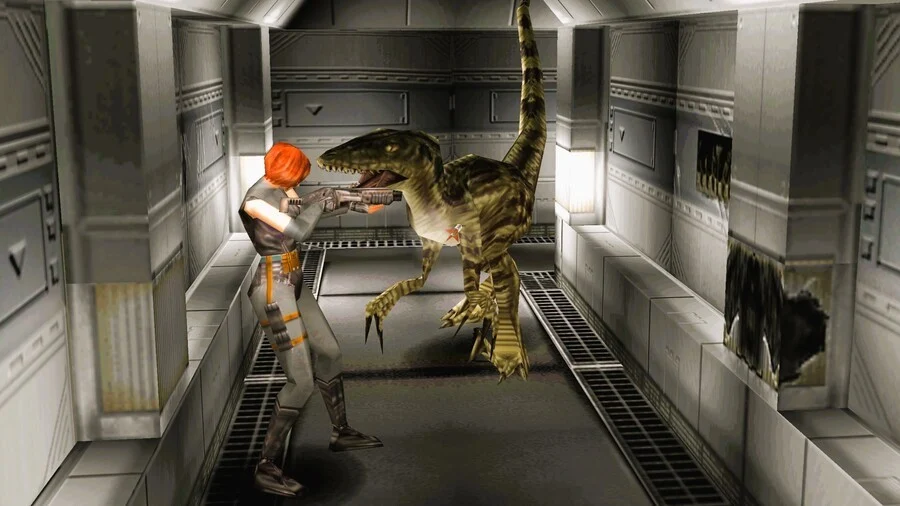
Back in 1999, a game called Dino Crisis became the first major dinosaur horror game. It was made by Capcom, the same company behind Resident Evil. Instead of fighting zombies, players had to survive against velociraptors and T-rexes in a research facility. The game used fixed camera angles and limited ammunition to make players feel scared and trapped. Dino Crisis proved that dinosaurs could be just as terrifying as any monster in video games.
Jurassic Park Changed What Players Wanted
The Jurassic Park movies had a huge impact on how people expected dinosaur games to feel. After watching those films, players wanted games where dinosaurs acted smart, hunted in packs, and felt truly dangerous. They expected to hear heavy footsteps, see realistic animations, and experience that same sense of wonder mixed with fear. Game developers had to live up to these high expectations, which made creating good dinosaur horror games more challenging.
Indie Developers Brought Dinosaur Horror Back
For many years, big game studios stopped making dinosaur horror games. Then, starting in the 2010s, smaller independent developers began creating their own versions. Games like The Isle, where you can play as both dinosaurs and humans, showed that there was still an audience for this type of game. These indie developers experimented with new ideas, like open-world survival and multiplayer modes, breathing new life into the genre.
Better Technology Made Dinosaurs More Frightening
Modern gaming technology has made dinosaur horror games scarier than ever before. Today’s dinosaurs can track players by sound, remember where they last saw you, and work together to hunt you down. Better graphics make their scales, teeth, and eyes look incredibly real. Improved animation means they move like actual predators. Sound design has also gotten more sophisticated—you can hear a T-rex’s breathing getting closer or catch the rustle of a raptor in nearby bushes. All of these technological improvements help create dinosaurs that feel alive and truly terrifying.
Top 5 Classics Table:
| Game | Release | Platform(s) | Perspective | Key Horror Element | Playtime/Score |
|---|---|---|---|---|---|
| Dino Crisis | 1999 | PS1/PC | Fixed Cam | Vent raptors, puzzle tension | 8-10 hrs / 9/10 |
| Dino Crisis 2 | 2000 | PS1/Dreamcast | Third-Person | Open-world chases | 10-12 hrs / 8.5/10 |
| Turok: Dinosaur Hunter | 1997 | N64/PC | FPS | Jungle ambushes | 12 hrs / 8/10 |
| Jurassic Park: Trespasser | 1998 | PC | FPS | Physics-based survival | 6-8 hrs / 7/10 |
| The Isle (Early Horror Mode) | 2015+ | PC | Multiplayer | Realistic predation | Endless / 8/10 |
Deep dive: Why Dino Crisis endures (limited ammo vs. faster foes).
Top Dinosaur Horror Games of 2025
2025 delivered real dino scares. Indies nailed smart AI, tight spots, player buzz from Steam and YouTube. Ranked by raw horror, fresh twists, reviews. I hit demos and launches—heart racers all.
| Game | Platform | View | Co-op? | When | Steam Rating | Best Bit |
|---|---|---|---|---|---|---|
| Rip Current | PC | FPS | No | Full Sep 2025 | Very Pos (84%) | Wet labs, Spino stalks |
| Deathground | PC | FPS | Yes 1-4 | EA Oct 2025 | Mixed (61%) | Squad hides from smart dinos |
| Ferocious | PC | FPS | No | Full Dec 2025 | Mixed (65%) | Island runs, craft to fight |
| The Lost Wild | PC | FPS | No | Demo/TBA | Hype Wishlist | Fire tricks wild beasts |
| Paleophage | PC/PS5 | 3rd Per | No | TBA 2026 | Wishlist Hit | Urban dinos, RE puzzles |
Honorable: Clawed (co-op park chaos).
What Makes Dinosaur Horror Games Work
You Never Have Enough Supplies
In dinosaur horror games, you’re always running low on what you need to survive. You might only have three bullets left in your gun when you hear a raptor nearby. Your health kit is almost empty. Your flashlight battery is dying. This constant shortage of resources forces you to make tough choices: Do you fight or hide? Do you use your last healing item now or save it for later? Crafting systems let you combine items you find—like turning cloth and alcohol into a makeshift bandage—but you’re always scraping by. This feeling of being unprepared makes every encounter with a dinosaur genuinely scary because you know you can’t afford to make mistakes.
Stealth becomes your best friend in these situations. You’ll crouch behind rocks, hold your breath as a T-rex passes by, and carefully time your movements to avoid detection. Many games reward patient, cautious players who avoid fights altogether rather than those who charge in guns blazing.
The World Tells a Story Without Words
The best dinosaur horror games don’t need to spell everything out. You walk into an abandoned laboratory and see claw marks on the walls, overturned desks, and a half-eaten lunch still sitting on a table. Blood trails lead into dark hallways. You find scattered notes and journals that hint at what went wrong. Maybe you discover a broken fence with massive footprints leading away from it. These environmental details paint a picture of the disaster that happened before you arrived, making the world feel real and lived-in. This storytelling technique creates a constant sense of dread—you’re walking through the aftermath of something terrible, and you know you could be next.
Sound Is Everything
Close your eyes while playing a dinosaur horror game, and you’ll still feel terrified. That’s because sound design is crucial to building tension. You hear the heavy thud… thud… thud of footsteps approaching, each one shaking the ground and getting louder. A distant roar echoes through the forest, and you freeze, trying to figure out which direction it came from. Birds suddenly stop chirping—a sign that a predator is nearby.
But sometimes, silence is the scariest sound of all. When everything goes quiet, you know something is hunting you. The game uses these quiet moments to make you paranoid, listening for the slightest rustle of leaves or snap of a twig. When the attack finally comes, it’s often preceded by a subtle audio cue—heavy breathing, a low growl, or the sound of claws scraping on stone—that makes your heart race.
Dinosaurs That Think and Adapt
Modern horror dinosaur games feature artificial intelligence that makes the creatures feel intelligent and unpredictable. A velociraptor might remember where it last saw you and circle around to cut off your escape route. Dinosaurs learn from your tactics—if you always hide in the same spot, they’ll start checking there first. Some hunt in coordinated packs, with one dinosaur flushing you out while others wait in ambush.
This unpredictability keeps you on edge. You can’t memorize patrol patterns or always use the same strategy. One time, hiding in tall grass might work perfectly. The next time, a dinosaur might catch your scent and investigate. This dynamic AI means that even if you replay a section, the encounter might play out completely differently, keeping the game fresh and frightening.
Finding the Right Mix of Fighting and Fleeing
Dinosaur horror games walk a careful line between action and horror. Give players too many weapons and too much ammo, and the game stops being scary—it becomes a regular action shooter. Take away all combat options, and players feel frustrated rather than frightened.
The best games find a middle ground. You have weapons, but they’re not always effective. Your pistol might work on smaller dinosaurs, but it’ll barely scratch a T-rex—you’ll need to run, hide, or find a more creative solution. Combat is tense and risky because even when you have the tools to fight back, you’re never truly safe. Each battle drains your resources and might attract more predators with the noise.
Some games shift between these modes: quiet exploration and stealth suddenly explode into frantic action sequences, then back to tense hiding. This rhythm—calm, panic, relief, repeat—creates an emotional rollercoaster that defines the dinosaur horror experience.
Notable Dinosaur Horror Games: What Makes Each One Special
Dino Crisis (1999-2003): Where It All Started
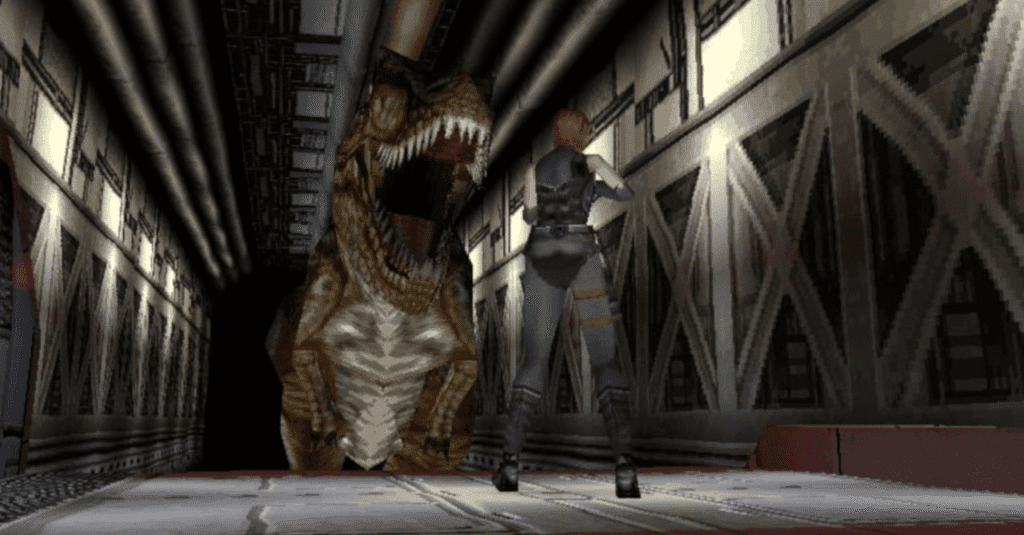
What it is: The original dinosaur horror game that mixed Resident Evil’s gameplay with prehistoric predators.
Key features: Fixed camera angles, limited ammo, puzzle-solving in a research facility, tank controls.
What makes it unique: Regina, the tough protagonist, must navigate tight corridors while being hunted by intelligent raptors. The third-person perspective and pre-rendered backgrounds created a claustrophobic atmosphere.
Why it matters: This was the blueprint for all dinosaur horror games that followed. It proved that dinosaurs could carry a horror game just as well as zombies.
Player experience: You feel constantly trapped. Every door you open could have a dinosaur behind it, and you never have enough bullets to feel safe.
Ark: Survival Evolved (2017): Survive in a Massive Prehistoric World

What it is: An open-world survival game where you start with nothing and must gather resources, craft tools, and avoid or tame dinosaurs.
Key features: Massive map, base building, dinosaur taming, multiplayer servers, day-night cycle that makes nights terrifying.
What makes it unique: You can eventually tame the dinosaurs that once hunted you, turning predators into protectors. The game shifts from horror to empowerment as you progress.
Why it matters: It showed that dinosaur horror works in open-world settings, not just linear levels. The first few hours, when you’re defenseless, are genuinely terrifying.
Player experience: Your first night is pure horror—you hear roars in the darkness and see glowing eyes approaching. Later, you’re riding a T-rex you raised from an egg.
The Isle (2015-Present): Become the Monster
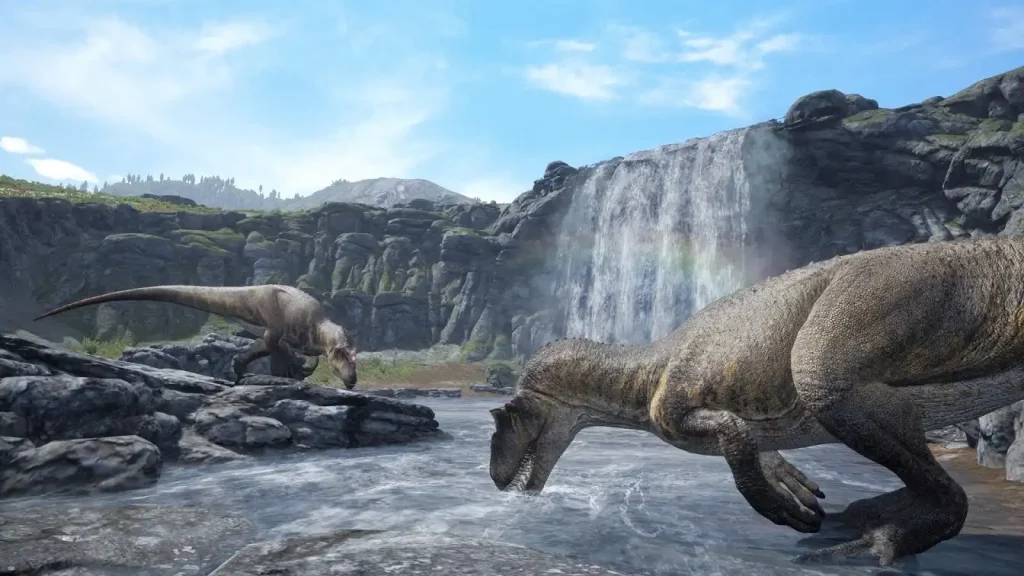
What it is: A multiplayer survival game where you can play as either a dinosaur or a human, creating tense predator-versus-prey scenarios.
Key features: Realistic dinosaur growth systems, permadeath (when you die, you start over), communication through calls and roars, asymmetric gameplay.
What makes it unique: Playing as a dinosaur completely flips the horror experience. As a human, you’re terrified. As a T-rex, you’re the terror. The game features realistic survival needs—hunger, thirst, stamina.
Why it matters: It explored horror from both sides of the equation and created emergent storytelling through player interactions.
Player experience: Hiding in bushes as a human while a pack of raptors hunts nearby is heart-pounding. Growing from a baby dinosaur to an apex predator creates genuine attachment.
Second Extinction (2020): Fight Back with Friends
What it is: A cooperative first-person shooter where mutated dinosaurs have overrun Earth, and you’re part of a team trying to reclaim territory.
Key features: Three-player co-op, destructible environments, War Effort system where community actions affect the game world, various character classes.
What makes it unique: It leans more action than horror but maintains tension through overwhelming enemy numbers. Dinosaurs have been genetically modified with armor and special abilities.
Why it matters: It proved that dinosaur games can work as cooperative shooters while keeping the threat level high.
Player experience: Even with powerful weapons and teammates, you can get swarmed quickly. Coordination is essential, and the chaos creates intense moments.
Instinction (In Development): Old-School Horror Returns
What it is: An upcoming game that deliberately recreates the classic survival horror feel of games like Dino Crisis with modern graphics.
Key features: Third-person perspective, limited resources, exploration and puzzle-solving, photorealistic dinosaurs, mysterious island setting.
What makes it unique: It’s a love letter to classic dinosaur horror, refusing to modernize certain elements that made those games scary (like limited saves and inventory management).
Why it matters: Shows there’s still demand for traditional survival horror mechanics in an era dominated by action games.
Player experience: Designed to make you feel vulnerable and isolated, with dinosaurs as persistent threats rather than obstacles you can easily overcome.
Deathground (In Development): Every Sound Gives You Away
What it is: A cooperative multiplayer game set in research facilities and jungle environments where you must complete objectives while dinosaurs hunt you.
Key features: Advanced audio detection system where dinosaurs hear gunshots, footsteps, and even your microphone if you’re using voice chat; squad-based gameplay; procedurally generated elements.
What makes it unique: The sound design is the star—dinosaurs react realistically to noise, forcing players to coordinate silently or face consequences. T-rex encounters feel earned because you typically made mistakes that drew it to you.
Why it matters: It pushes audio-based stealth mechanics further than most horror games, making communication itself risky.
Player experience: Your team discusses strategy in whispers, someone accidentally fires a gun, and suddenly everyone is running for their lives. Squad wipes from a T-rex feel earned, not cheap.
Paleophage (In Development): City Under Siege

What it is: A single-player narrative game set in an urban environment during a dinosaur outbreak, featuring two playable protagonists with different perspectives.
Key features: Dual protagonist system, urban setting (cities, subways, buildings) instead of jungles, story-driven experience, cinematic presentation.
What makes it unique: Brings dinosaur horror to modern civilization—imagine raptors hunting through abandoned subway stations or a T-rex demolishing city streets.
Why it matters: The developer has cited Dino Crisis as direct inspiration, aiming to recapture that game’s magic while updating it for modern audiences.
Player experience: According to developer interviews, they wanted to create “the Dino Crisis spiritual successor fans have been waiting for,” focusing on atmosphere and vulnerability over action.
The Lost Wild (In Development): Fire Is Your Only Friend
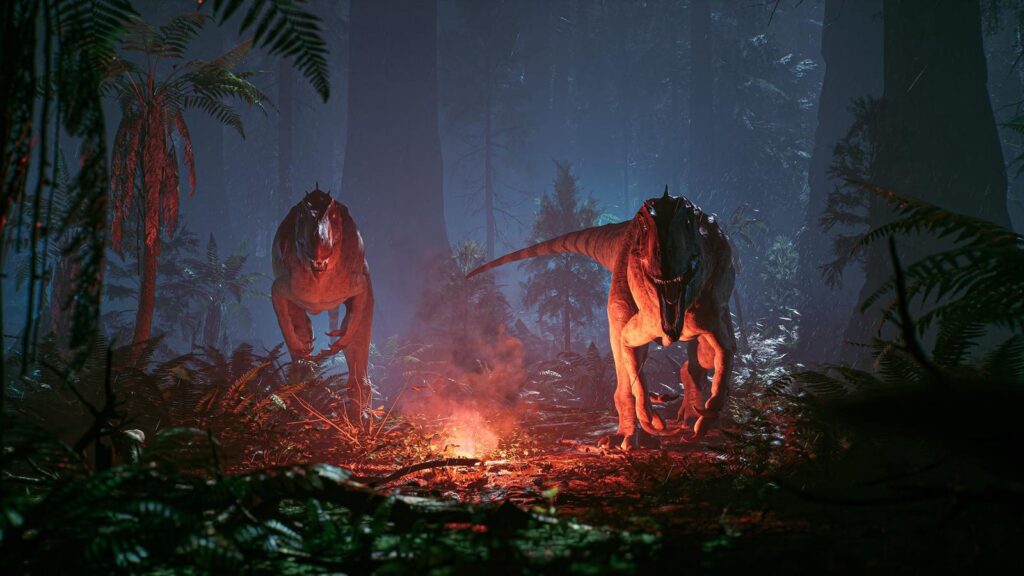
What it is: A stealth-focused first-person game where you’re stranded in a wilderness preserve and must use non-lethal methods to survive against dinosaurs.
Key features: Heavy emphasis on stealth, fire as the primary defensive tool, realistic animal behavior, immersive sim elements where systems interact naturally.
What makes it unique: You can’t kill the dinosaurs—you can only deter, distract, or avoid them. Fire becomes an equalizer, letting you create barriers or scare predators temporarily.
Why it matters: It treats dinosaurs like real animals with territories and behaviors rather than video game monsters, creating a different kind of tension.
Player experience: A stealth masterclass where you learn dinosaur patterns, use the environment cleverly, and accept that direct confrontation means death. Managing your torch and fire sources becomes a tense resource game.
Code Violet (Announced): Next-Gen Terror
What it is: A PlayStation 5 showcase title that appears to blend time-travel elements with dinosaur horror, though details remain limited.
Key features: Cutting-edge graphics leveraging PS5 hardware, mysterious plot involving temporal anomalies, appears to mix different time periods.
What makes it unique: The time-travel plot twist suggests you might encounter dinosaurs in unexpected contexts—modern settings, future scenarios, or shifting timelines.
Why it matters: As a PS5 showcase game, it demonstrates what dinosaur horror can look like with current-generation technology—realistic scales, feathers, skin textures, and AI.
Player experience: Early footage suggests a cinematic, high-production experience where the time-travel mechanics create unpredictable scenarios and fresh takes on dinosaur encounters.
The Future of Dinosaur Horror Gaming
Virtual Reality: When You Can Smell the T-Rex’s Breath
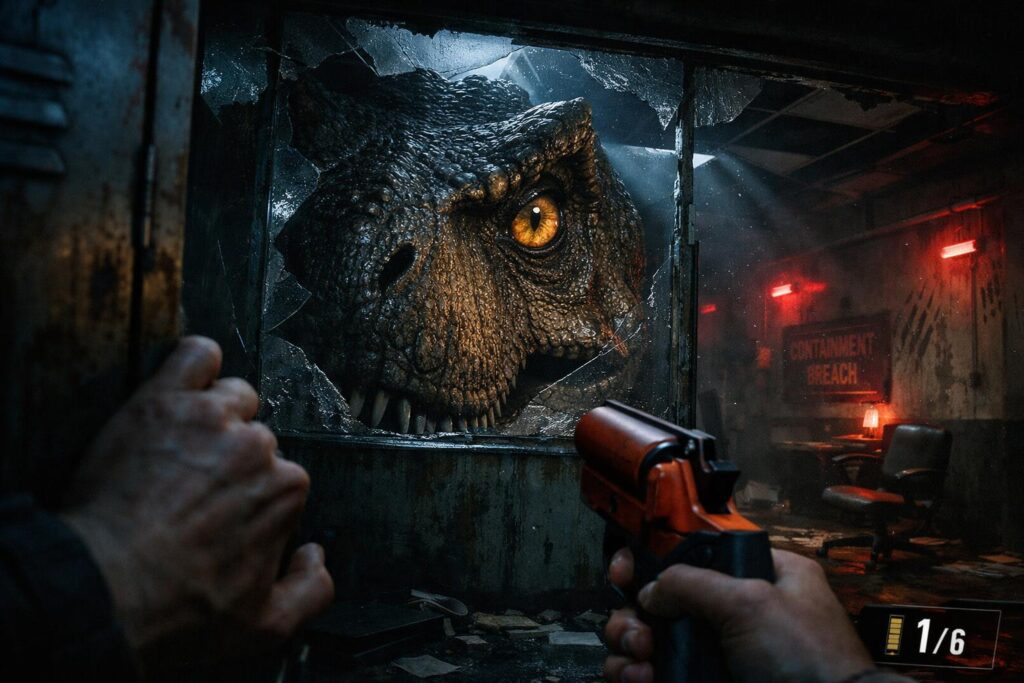
Picture this: You’re crouched in VR, physically hiding behind a fallen log. Your real hands are trembling as you hold the controllers. You hear breathing—deep, rattling breaths—and you slowly turn your actual head to the left. There, three feet from your face, is a velociraptor. Its eye tracks your movement. It tilts its head. Your heart is actually pounding. You’re not watching a screen anymore—you’re there.
This isn’t science fiction. It’s happening right now, and it’s about to explode.
Virtual reality turns dinosaur encounters from “scary video game moment” to “legitimate trauma you’ll tell your therapist about.” The sense of scale becomes physically overwhelming. A T-rex doesn’t just look big—you have to crane your actual neck backward to see its head, and your brain screams that you’re about to die because evolution hasn’t caught up to the fact that this isn’t real.
Players are already reporting genuine panic attacks during VR dinosaur demos. One tester literally threw their headset across the room when a raptor jumped at them. Another crawled under their real desk trying to hide from a virtual predator. These aren’t bugs—they’re features. This is the holy grail of horror gaming.
Modern VR tech is getting scary good (pun intended). Eye-tracking means dinosaurs can make actual eye contact with you, and your lizard brain can’t tell the difference between fake and real predator eye contact. Haptic vests let you feel footsteps rumbling through your chest. Spatial audio is so precise that you’ll spin around in your living room trying to locate the source of a growl, only to come face-to-face with something that wants to eat you.
The really wild part? Developers are experimenting with scent dispensers. Imagine smelling decay and sulfur when a T-rex exhales. That’s not enhancing immersion—that’s psychological warfare.
But here’s the catch: VR dinosaur horror is too effective. Developers are genuinely concerned about players hurting themselves—punching walls while running away, tripping over furniture, or experiencing genuine psychological distress. They’re having to invent new design rules for “horror that won’t put people in the hospital.” It’s a good problem to have.
If you’re curious about what the best VR experiences look like right now, the technology is already pushing boundaries—dinosaur horror is just the next logical evolution.
Big Studios Are Circling Like Raptors
Let’s be honest: AAA game studios have ignored dinosaur horror for so long it’s basically been insulting. While indie developers kept the dream alive with duct tape and passion, major publishers were too busy making the 47th military shooter.
But something’s changing. The suits are finally paying attention, and you can almost hear them doing the math.
Here’s what they’re seeing: The generation that grew up on Dino Crisis and Jurassic Park now has disposable income and is desperate for this content. Capcom made a fortune remaking Resident Evil games—imagine what a modern Dino Crisis would do. The numbers are there; someone just needs to be brave enough to chase them.
Plus, let’s talk about Jurassic World Dominion. That movie made over a billion dollars despite being… well, not great. If people will pay to watch mediocre dinosaur content, imagine what they’d pay for excellent dinosaur games. The market is begging for this.
Modern game engines have eliminated the old excuses. Unreal Engine 5 can render a photorealistic T-rex in real-time without your PlayStation catching fire. The technology isn’t the bottleneck anymore—courage is.
We’re seeing cracks in the dam. Sony’s backing Code Violet as a PS5 showcase. Xbox has been oddly quiet about their plans, but rumors suggest they’re funding something dinosaur-related. When platform holders start investing in a genre, publishers follow like pilot fish.
The tipping point is coming. One massively successful AAA dinosaur horror game—just one—will trigger an avalanche. Every major publisher will suddenly “remember” they totally had dinosaur games in development all along. We’ve seen this pattern with zombies, with battle royales, with survival crafting. Dinosaurs are next.
And honestly? It’s about damn time.
Indie Developers Are Building the Future in Their Garages
While we’re waiting for big studios to get their act together, indie developers are out here doing the lord’s work, creating bizarre and brilliant dinosaur horror experiences that AAA studios would never risk.
There’s a developer making a game where you’re a paleontologist whose research site gets overrun, and you have to survive using only scientific equipment—tranquilizer darts, tracking devices, behavioral knowledge. Another team is building a time-loop game where you relive the same dinosaur attack over and over, trying to save your research team by learning from each death. Someone’s making a dinosaur horror game set entirely in caves with blind predators that hunt by sound.
These are ideas that would get laughed out of a corporate boardroom. “Where’s the mass appeal? What’s the demographic? Can we add microtransactions?” But indie developers don’t care. They’re making the games they want to play, and that creative freedom is producing genuine innovation.
The economics have shifted in their favor too. Crowdfunding proved that thousands of people will throw money at “Dino Crisis spiritual successor” or “multiplayer raptor survival game.” Early access lets developers build games alongside passionate communities who provide feedback and funding. Some indie dinosaur games are already profitable before they’re even finished. If you’re interested in how to make a video game, the barriers have never been lower.
And the tools! Unity and Unreal Engine are basically free. Asset stores provide high-quality dinosaur models. Online tutorials teach game development. A talented team of three people can now build something that looks and plays like it cost millions.
The next wave is already forming. Discord servers and development forums are buzzing with projects: dinosaurs in space horror, roguelike prehistoric survival, narrative games about disaster-movie-style dinosaur attacks on cities, even a dating sim where you romance intelligent evolved dinosaurs (don’t ask, just accept it exists).
Some of these will be terrible. Some will be weird. A few will be revolutionary. That’s the magic of indie development—the freedom to fail spectacularly means some will succeed spectacularly.
When Scientists and Game Devs Join Forces, Magic Happens
Here’s something cool that’s starting to happen: actual paleontologists are teaming up with game developers, and it’s producing dinosaurs that are both scientifically fascinating and terrifying.
Dr. Thomas Holtz, a real dinosaur expert, has consulted on several games, helping developers understand how a T-rex actually moved (spoiler: more bird-like than you think) and how raptors genuinely hunted (terrifyingly smart). These consultations are making game dinosaurs more authentic and, weirdly, more frightening because real predator behavior is often more unsettling than what Hollywood invented.
Imagine a game that features Therizinosaurus—a dinosaur most people have never heard of that looked like a demented sloth crossed with Freddy Krueger, sporting three-foot-long claws. Or Carnotaurus, which had tiny arms that made T-rex look normal and horns above its eyes. These real dinosaurs are stranger and scarier than anything we could make up.
Some developers are exploring “living games” that update based on new discoveries. When scientists publish a paper revealing new information about dinosaur coloration or behavior, the game could patch in those details. Your velociraptor might gradually grow feathers between updates, reflecting real scientific consensus.
Museums are getting in on this too. The Natural History Museum in London is exploring partnerships with game studios to create experiences that are both educational and entertaining. Imagine playing a horror game where you can pause and read actual scientific explanations of what you’re seeing, written by researchers who’ve studied these animals for decades.
There’s also a beautiful reverse effect happening: paleontologists are using game engines to test theories about how dinosaurs moved and behaved. Game developers’ work on realistic locomotion and AI behavior is sometimes valuable to actual scientists. Entertainment and education are feeding into each other in ways that benefit both.
And let’s be real—learning about the Cretaceous period is way more fun when a therapod is actively trying to murder you.
Multiplayer Is About to Get Absolutely Unhinged
Forget everything you think you know about multiplayer dinosaur games. Developers are cooking up ideas that sound like fever dreams, and some of them are going to change everything.
Imagine this scenario: You and three friends are scientists trying to restore power to a facility. One friend is playing in VR, actually looking around corners and physically crouching. Another is on their phone during their lunch break, providing overwatch through security cameras and radioing warnings. A third is on PC with a full keyboard, hacking doors and checking dinosaur migration patterns on monitors. The fourth is on console, running and gunning. Different platforms, different perspectives, one shared nightmare.
Or this: Eight players spawn in a procedurally generated jungle. Three of you are randomly selected to become dinosaurs—you don’t know who until it happens. Now you’re hunting your former teammates, who don’t know which of their friends just got turned into raptors. The paranoia! The betrayal! The “Dude, was that you who just ate me?!”
Here’s another one: A 50-player server where everyone’s trying to survive on an island. Dinosaur populations are persistent and breed if left alone. Players form factions, build bases, and the server develops its own ecology and politics. Streamers run 24/7 kingdoms. Drama emerges. Someone inevitably tries to weaponize a T-rex against a rival clan. It’s beautiful chaos.
Developers are also experimenting with AI directors that read the room. If players are getting too comfortable, it spawns something nasty. If everyone’s stressed and low on resources, it eases off. The game becomes a dungeon master, managing horror pacing across unpredictable multiplayer sessions.
Streaming integration is the wild card. What if Twitch viewers could vote on which dinosaur spawns next? What if YouTube audiences could trigger events in real-time? Some developers are building games where the line between player and audience dissolves completely—everyone’s part of the experience.
The really ambitious studios are exploring persistent narrative multiplayer—think 6-player co-op campaigns where your choices matter, resources are genuinely limited, and someone might have to be left behind. When it’s real people making those calls instead of NPCs, the emotional weight hits different. “Sarah got eaten because you took too long looting” creates the kind of trauma that builds legendary gaming stories.
And cross-play is making all of this possible. Console, PC, mobile, VR—all in the same server, all experiencing different versions of the same terror. Looking at trends in the best PC games of 2025, cross-platform multiplayer is becoming standard rather than exceptional.
The technology exists. The audiences are ready. Someone just needs to build it.
The future of dinosaur horror isn’t just games—it’s experiences that will have people talking for years. We’re not asking “will this happen?” We’re asking “which developer is brave enough to do it first?”