Most horror games try to scare you with darkness, monsters, and sudden loud noises. Homicipher does something much smarter and more unsettling: it makes you afraid of not understanding what’s being said to you. Dropped into a strange world filled with dangerous yet oddly fascinating characters, you don’t just fight to survive — you struggle to communicate. Every symbol, gesture, and broken sentence could be a warning… or a threat.
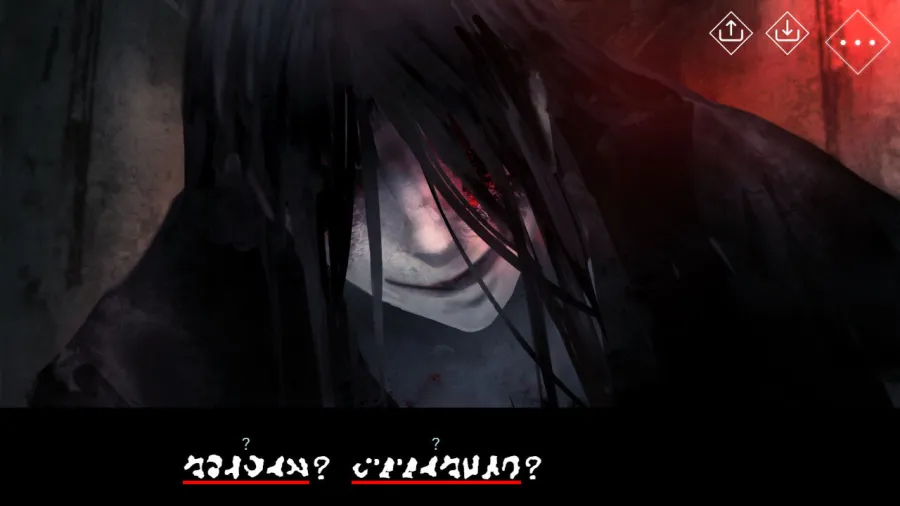
At first, nothing makes sense. The language is unfamiliar, the rules of the world are unclear, and the people you meet don’t look friendly. But little by little, you begin to recognize patterns. You learn words. You connect meanings. And with every new phrase you understand, the world becomes both safer and more complicated. What starts as simple survival slowly turns into emotional involvement, moral choices, and unexpected bonds with the very creatures that once terrified you.
This mix of horror, puzzle-solving, and story-driven romance is what makes Homicipher stand out in the indie scene. It’s not just a game about escaping a nightmare — it’s about learning how to exist inside it, one word at a time. Unlike many traditional horror titles, and even compared to some of the best horror games, Homicipher focuses more on emotional tension than jump scares.
What Is Homicipher?
At its core, Homicipher is a story-driven adventure game with strong visual novel and puzzle elements. You explore strange locations, interact with unsettling characters, and make choices that slowly shape how the story unfolds. But unlike most adventure games, the biggest obstacle isn’t finding keys or solving logic puzzles — it’s understanding the language of the world you’re trapped in.
You play as a girl who wakes up in an unfamiliar place with no idea how she got there. The beings around her speak in symbols and short phrases that mean nothing at first. There are no clear instructions, no friendly guide explaining what to do. Instead, the game asks you to observe carefully: how characters react, what they point at, what happens after certain words are used. Meaning comes from context, not from translations handed to you on a screen.
This approach turns communication into the main gameplay system. Every new word you figure out becomes a tool. It can open new paths, calm an aggressive character, or lead you into deeper trouble if you misunderstand it. Over time, the language you once feared becomes familiar, and the monsters you avoided start to feel more like people with their own motives and emotions.
Because of this, Homicipher doesn’t fit neatly into one genre. It blends horror, romance, mystery, and puzzle-solving into a single experience where learning how to talk is just as important as learning how to survive.
Unique Gameplay Homicipher Mechanics
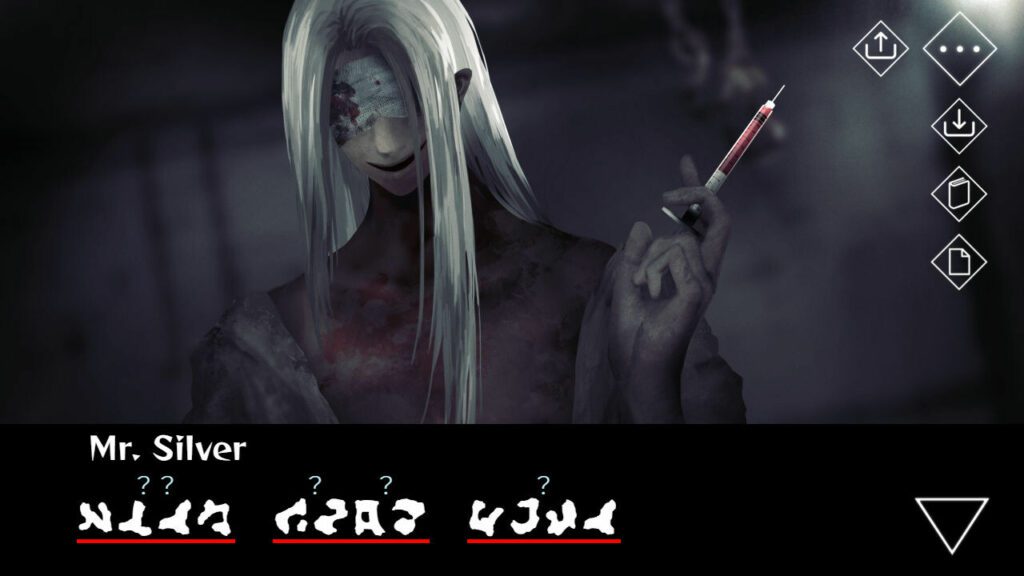
Instead of relying on traditional puzzles or combat, Homicipher builds its entire gameplay around communication. Every system in the game supports this idea, making language the most powerful (and dangerous) tool you have.
1. an Unknown Language of the Game
From the very start, characters speak in strange symbols and short phrases that have no obvious meaning.
You are not given translations. You must:
- Watch how characters react to your responses
- Notice which words repeat in similar situations
- Connect actions, gestures, and emotions to specific phrases
At first, choices feel like guesses. But over time, you start recognizing patterns, and random symbols slowly turn into real words with real consequences.
2. Building Your Own Dictionary
As you interact more with the world, the game helps you track what you’ve learned.
- New words are added to a growing language log
- Previous conversations become easier to understand
- You gain confidence in choosing responses instead of guessing blindly
This creates a strong feeling of progress. You are not leveling up a character — you are leveling up your own understanding, which feels much more personal and rewarding.
3. Exploration That Teaches You How to Speak
The environment is not just there to look creepy. It also gives important clues.
- Objects hint at what certain words might mean
- Repeated locations reinforce language patterns
- Visual storytelling explains emotions when words fail
Sometimes, exploring a new room teaches you more about the language than talking to anyone does. The world itself becomes part of the conversation.
4. Choices That Shape Your Path
Many decisions happen when you are still unsure what the words fully mean. This makes every choice risky.
- Some responses can calm dangerous characters
- Others can trigger attacks or lock you into certain story paths
- Small misunderstandings can lead to major consequences later
These choices influence which character routes you enter and what kind of ending you move toward. The game never tells you directly, which makes each playthrough feel tense and unpredictable.
5. Sometimes it is better to Replay
Because language understanding improves over time, replaying the game changes the experience completely.
- Scenes you once feared start to make sense
- Characters feel less random and more intentional
- You can make smarter choices and explore new story paths
What felt like chaos on your first run slowly reveals a carefully designed system built around learning, trust, and risk. Unlike classic word puzzles or even word-focused game design, Homicipher ties every phrase directly to survival.
Characters and the Ghostly World of Homicipher
The world of Homicipher is filled with strange, ghost-like figures that are both frightening and oddly human. These are not simple enemies. Each “ghost” has a personality, habits, and emotional triggers that affect how they treat you. Learning who they are is just as important as learning what their words mean.
At first, all of them feel dangerous. You don’t know their rules, their moods, or their intentions. But as the story unfolds, you start to see patterns in their behavior. Some become protectors. Some become teachers. Others remain unpredictable no matter how well you understand the language.
This mix of fear and familiarity is what makes the Homicipher ghosts so memorable. They are not just obstacles — they are the heart of the story.
Key Ghost Characters in Homicipher
| Character | First Impression | True Role in the Story | Why They Matter |
|---|---|---|---|
| Mr. Hood | Silent and intimidating, like a grim guide | Acts as a watcher and early guide through the world | Helps introduce basic rules and movement between areas |
| Mr. Crawling | Aggressive and frightening | Becomes protective if treated carefully | Shows how behavior can change based on your choices |
| Mr. Silvair | Calm and distant | More teacher-like than hostile | Helps reinforce language learning and safe interactions |
| Mr. Machete | Violent and unpredictable | Tests how well you understand danger signals | Punishes misunderstanding more than others |
| Mr. Gap | Quiet and mysterious | Tied to deeper story secrets | Connects emotional themes with world lore |
(Exact roles and outcomes can change depending on your decisions and routes.)
Emotional Design Of Monsters
What makes these characters special is how emotional their reactions feel, even without clear language.
- Fear can turn into trust
- Curiosity can become attachment
- Mistakes can cause lasting consequences
This emotional feedback helps you understand situations even when words fail. You start reading tone, posture, and distance just like you would with real people.
A World That Feels Alive and Hostile
The locations these ghosts inhabit are just as important as the characters themselves.
- Tight spaces increase tension during conversations
- Silent corridors make you second-guess your choices
- Repeated areas feel different once you understand what happened there before
The setting constantly reminds you that this is not a safe place — but it is a place with its own logic, history, and emotional weight.
When Horror Turns Into Connection
One of the most surprising parts of Homicipher is how it slowly shifts from pure fear into something closer to emotional bonding. As you learn more, some ghosts stop feeling like threats and start feeling like broken individuals trapped in the same nightmare as you.
This emotional shift is what makes later story routes and endings hit harder. By the time you fully understand what is happening, you are no longer just trying to escape — you are deciding who you are willing to leave behind.
Homicipher Routes and All Endings: How Your Choices Shape the Story
One of the biggest reasons players replay Homicipher is its branching story structure. Your decisions don’t just change dialogue — they decide which characters stay with you, which events you see, and how the story finally ends. This system is built around routes, and each route can lead to different emotional outcomes, including several good and bad endings.
Understanding how routes work helps you play more intentionally instead of relying on luck.
What Are Routes in Homicipher?
Routes are story paths focused on specific characters or outcomes. Once you start leaning toward certain choices, the game quietly pushes you deeper into that direction.
Routes are influenced by:
- How you speak to certain ghosts
- Whether you show fear, trust, or resistance
- Which areas you explore (and which you avoid)
- How well you understand key words in dangerous moments
You are rarely told that you are “locked into” a route. Instead, the game lets your relationship with characters naturally shape where the story goes.
Why One Wrong Word Can Change Everything
Because communication is limited, even small misunderstandings can redirect your path.
- A calm phrase might build trust and unlock safer scenes
- A wrong response might trigger violence or permanent distance
- Some scenes only appear if you previously showed empathy or curiosity
This makes Homicipher feel more like a psychological experiment than a typical visual novel. You are not just picking dialogue — you are testing emotional reactions in a world where you barely understand the rules.
Homicipher All Endings: Not Just Good vs Bad
When people search for Homicipher all endings, they are often surprised by how different those endings can feel emotionally, not just mechanically.
Endings usually reflect:
- Who you bonded with
- Whether you tried to escape alone or with others
- How much of the world’s truth you uncovered
Some endings feel like survival.
Some feel like sacrifice.
Others leave you with more questions than answers.
What makes this powerful is that many endings only make sense after you replay and understand earlier conversations better. The story rewards emotional awareness, not just correct puzzle-solving.
How to Unlock More Routes (Without Spoiling Everything)
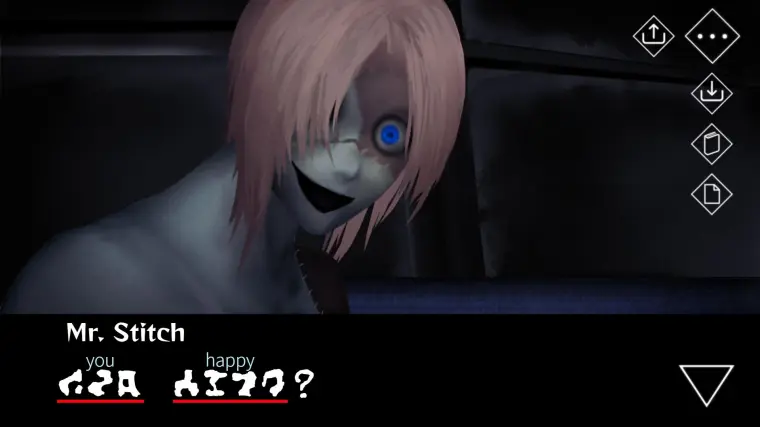
If you want to see more of the game without using full walkthroughs, try this approach:
- On your first run, play naturally and trust your instincts
- On later runs, focus on one character and choose safer or kinder options
- Revisit early scenes once you understand more words
- Explore rooms you previously avoided
This method lets you discover new routes organically while still respecting the mystery of the game.
Helpful External Resources (If You Get Stuck)
If you want deeper explanations, translations, or full ending breakdowns, these community resources are useful:
- Steam Community Guides — walkthroughs and route tips from players
👉 https://steamcommunity.com/app/2302660/guides/ - Homicipher Wiki / Fan Sites — character info and story theories
👉 https://homicipher.cc/ - Reddit Discussions and Theories — great for hidden details and interpretations
👉 https://www.reddit.com/r/Homicipher/
These are especially helpful if you’re trying to unlock specific endings or understand what certain phrases really mean.
Why Routes Are the Emotional Core of the Game
More than puzzles or scares, the route system is what turns Homicipher into an emotional experience. The ghosts stop being random threats and start becoming characters with their own needs, fears, and limits. Your choices decide whether those connections grow… or break.
By the time you reach an ending, it rarely feels accidental. It feels like the result of how you treated the world — and how well you learned to listen to it.
Because the game invests so much in emotional meaning, reaching an ending doesn’t just feel like finishing a route. It feels like the result of how you handled fear, confusion, and trust across the entire journey.
That’s why Homicipher endings often leave players thinking rather than celebrating. The game doesn’t ask, “Did you win?”
It asks, “Who did you understand, and who did you leave behind?”