The Discord VPN Mindset: Players Now Troubleshoot Trust Before They Play
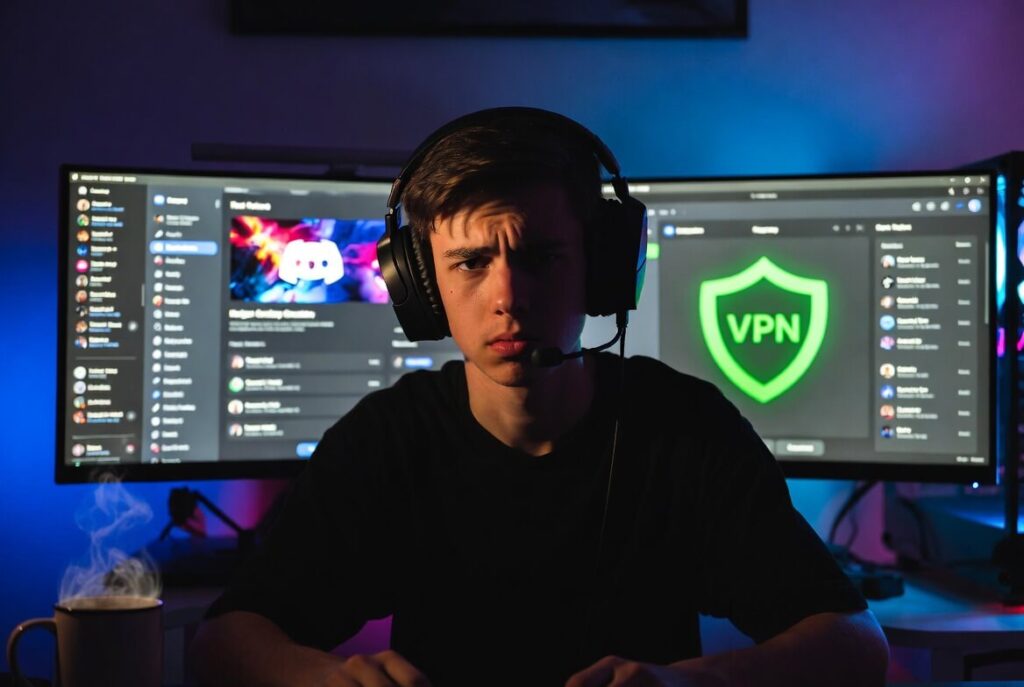
Gaming never stops changing, and players are just as volatile in their habits as the developers creating the interactive content they consume. One shift worth talking about that’s almost a defining feature of the modern market is how skeptical and distrustful audiences have become as a default, meaning it’s now common for players to effectively carry out a trust audit on any game or platform before they even create an account. It’s often a multi-stage process, so here’s an overview of how the trust troubleshooting movement has developed, and why.
Stages of Player Trust Auditing Before Launching a Game / Platform
| Stage | What the Player Does | Why It’s Needed | Typical Tools / Sources |
|---|---|---|---|
| 1. Preliminary Research | Reads independent reviews and ratings | To verify reputation, security standards, and the presence of complaints | Review sites, Trustpilot, specialized reviews (e.g., Planet 7 Casino) |
| 2. Privacy Setup | Connects a Discord VPN and checks anonymity settings | To hide the IP address, protect personal data from collection, and reduce the risk of doxxing or swatting | VPN client, incognito mode, tracker blockers |
| 3. Community Check | Asks for real-user opinions in Discord and other chats | To gather unfiltered feedback from people who have already tried the platform | Discord servers, Reddit, niche gaming forums |
| 4. Final Risk Assessment | Decides whether creating an account is worth the risk | To minimize exposure to toxicity, data leaks, and other unpleasant surprises | Personal pros/cons list + individual comfort threshold |
In today’s gaming world, players no longer jump straight into a new title or platform. Instead, they treat every signup as a potential risk and run a deliberate multi-stage trust audit. This process has become almost second nature: before an account is even created, gamers systematically check independent coverage, lock down their digital footprint with privacy tools, and seek peer validation inside communities like Discord. What used to be a simple “download and play” decision has turned into a cautious evaluation of both the product and the company behind it.
The rise of this mindset is closely tied to growing concerns about data collection, targeted advertising, and the very real dangers of online harassment. As platforms demand more personal information and regulations around age verification tighten, players respond by adding extra layers of protection and scrutiny. The table above captures the typical sequence most privacy-conscious gamers now follow — a practical checklist that reflects how deeply trust troubleshooting has embedded itself in modern gaming culture.
- Players increasingly view VPNs as a non-negotiable first line of defense rather than an optional extra.
- Independent reviews carry more weight than official marketing or welcome bonuses.
- Discord has become both a research tool and a potential privacy risk at the same time.
- Newer players adapt to this cautious approach more easily than long-time gamers who remember the plug-and-play era.
The Default Demand for Privacy
VPN use has risen exponentially in recent years, partly as a response to consumer fears around how companies are using their data, and also the potential exposure to malicious third parties that comes with every session of internet access. That default demand for privacy, provided in part by a secure connection to a VPN that routes traffic through separate servers and disguises the end user’s IP address, also applies in a gaming context.
Aiming for complete privacy and anonymity has upsides for anyone who’s concerned about what a business will do with their data, but it’s also a means of avoiding the undesirable outcomes of online gaming interactions, such as harassment from toxic opponents and the oft-discussed specter of swatting.
This also leads players to check out independent coverage of any game or platform as part of their initial research. For instance, an online gambling fan might read a review of Planet 7 Casino to check that it’s secure and reputable, rather than only being swayed by the new player bonuses.
The Discord Backlash
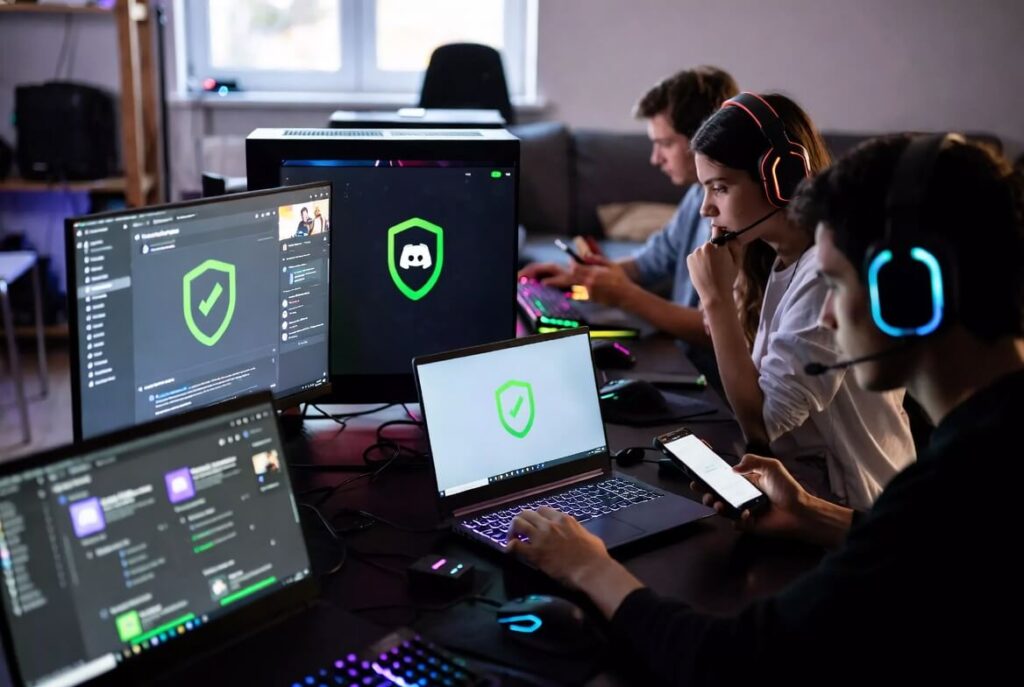
Discord vpn has become the de facto app for gaming-based communication and community-building, which is certainly convenient for its millions of users. The downside comes from how this app, and many like it, are increasingly requiring users to hand over personal info in order to continue having access to its features. Aside from being necessary to comply with stricter age verification regulations in a growing number of countries, this benefits the company because the more it knows about users, the easier it is to target them with personalized ads.
Privacy tools like VPNs do offer a degree of protection from these moves, although they’re not perfect. Moreover, Discord can be a great place for prospective players to ask about the trustworthiness of a gaming platform or developer from other community members. So there’s good reason to sign up, even if additional privacy-protection steps are now the norm.
Discord VPN – An Uncertain Future
Whether this trust-troubleshooting and platform auditing will be necessary indefinitely is up for debate, but it certainly looks like online privacy is only getting harder to achieve, and gamers are bearing the brunt of this shift. For those who are only just coming into gaming, it will likely not be much of an issue. For those who’ve spent their adult lives enjoying games in a plug-and-play way, a lot more friction and dissatisfaction will come from how the industry is changing around them.