In the world of anime and manga, there are heroes, villains, and then there are legends. One of the most powerful and feared figures today is Sukuna, often called the “King of Curses” in Jujutsu Kaisen. His name alone sends chills through both characters in the story and fans around the world.
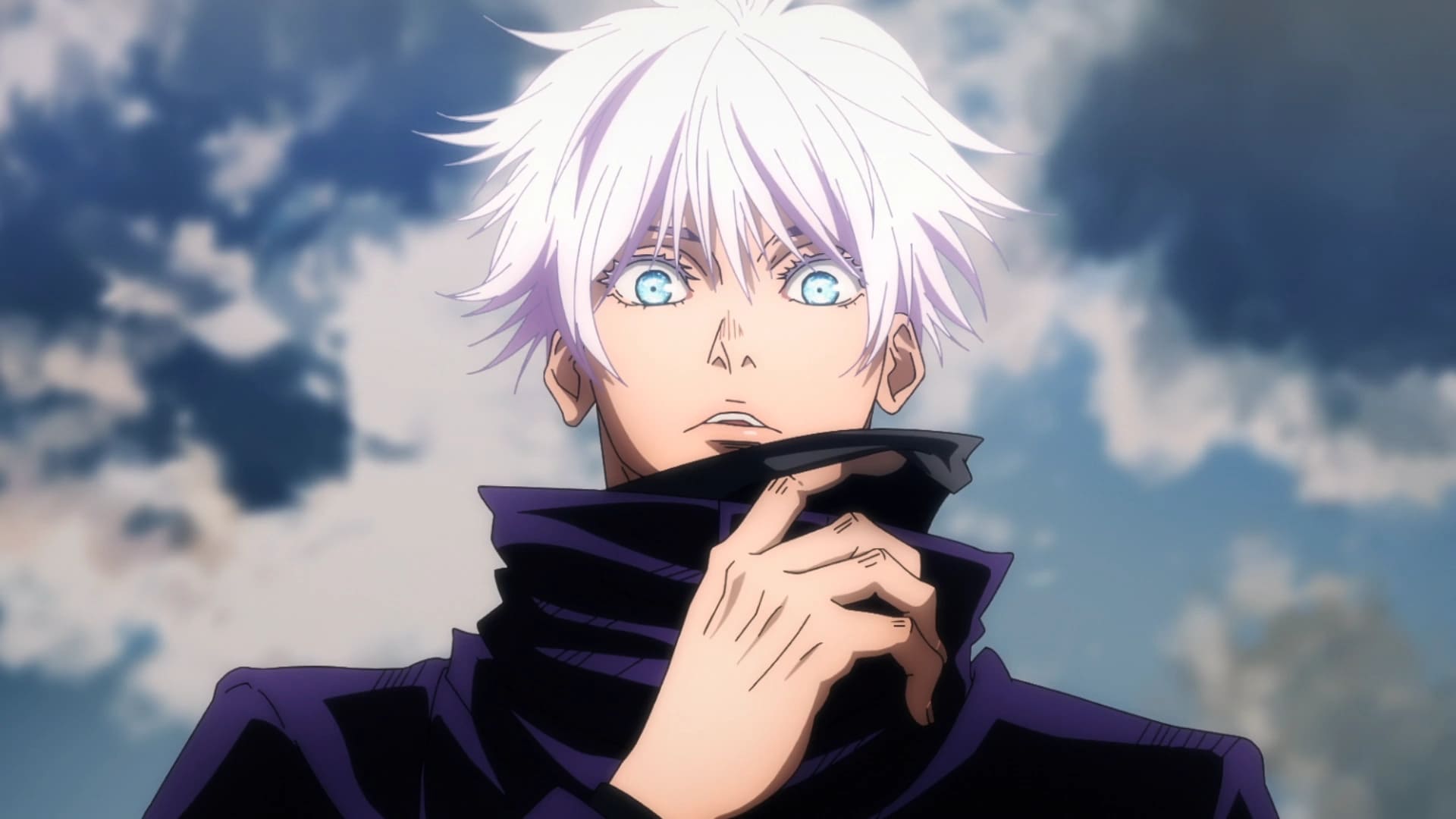
This article will explore who Sukuna is, where he comes from, why he is so powerful, and how he has become one of the most fascinating villains in modern anime. While many see him as just a powerful monster, deeper analysis reveals a character obsessed with a singular, terrifying concept: The act of consumption. If you want to dive deeper into characters with equal weight in the story, check out this guide to Gojo Satoru, Sukuna’s greatest counterpart.
Who is Ryomen Sukuna?
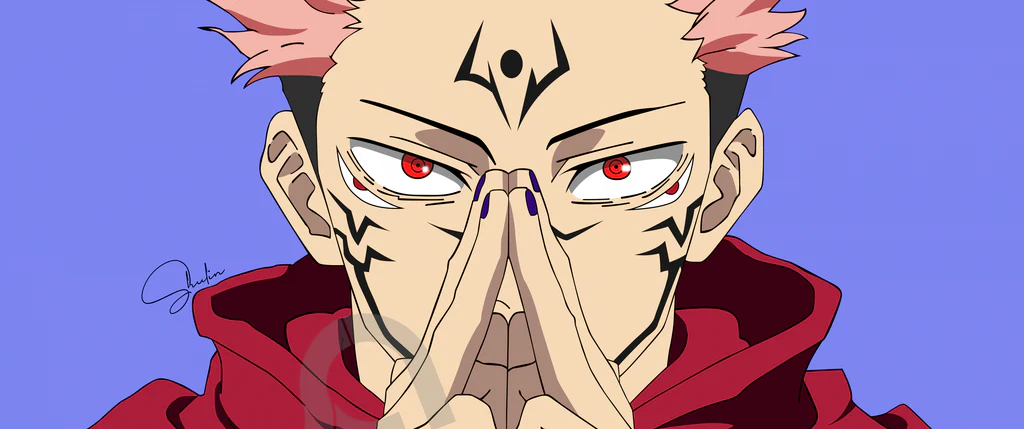
Sukuna, or Ryomen Sukuna, is the main antagonist in Jujutsu Kaisen, a manga created by Gege Akutami. He was once a human sorcerer who lived more than 1,000 years ago during the golden age of jujutsu. Known for his incredible strength and cruelty, he was feared by all.
The Cannibal in the Womb
One of the most chilling parts of Sukuna’s origin is that his life began with an act of gluttony. Because his mother was starving, Sukuna ate his own twin brother while still in the womb to ensure his own survival. This early trauma defined his philosophy: he exists to consume whatever he desires, whenever he desires it.
The Myth vs. The Man
In Japanese history (Nihon Shoki), Sukuna is a “two-faced” figure. To the Imperial Court, he was a demon. But to the people of the Hida province, he was a hero who slayed dragons. Gege Akutami uses this duality to show that Sukuna exists outside human morality. He isn’t “evil” for the sake of it; he is simply nature’s ultimate predator.
When he died, Sukuna’s power was so great that his body could not be destroyed. Instead, his remains turned into 20 cursed fingers, each carrying part of his soul. These fingers became cursed objects that, when consumed, give unimaginable power. Fans often compare these cursed relics to other mystical items in culture and games, similar to the unique origins found in Lotology.
Sukuna and Yuji Itadori
The story begins when Yuji Itadori, the main hero of Jujutsu Kaisen, accidentally swallows one of Sukuna’s fingers to save his friends. This act brings Sukuna back into the world, but in a strange way — he now shares a body with Yuji.
This sets up one of the most unique relationships in anime: a hero and the greatest villain living inside the same body. Sometimes Sukuna takes control, showing his terrifying power, while other times he stays hidden, waiting for his chance.
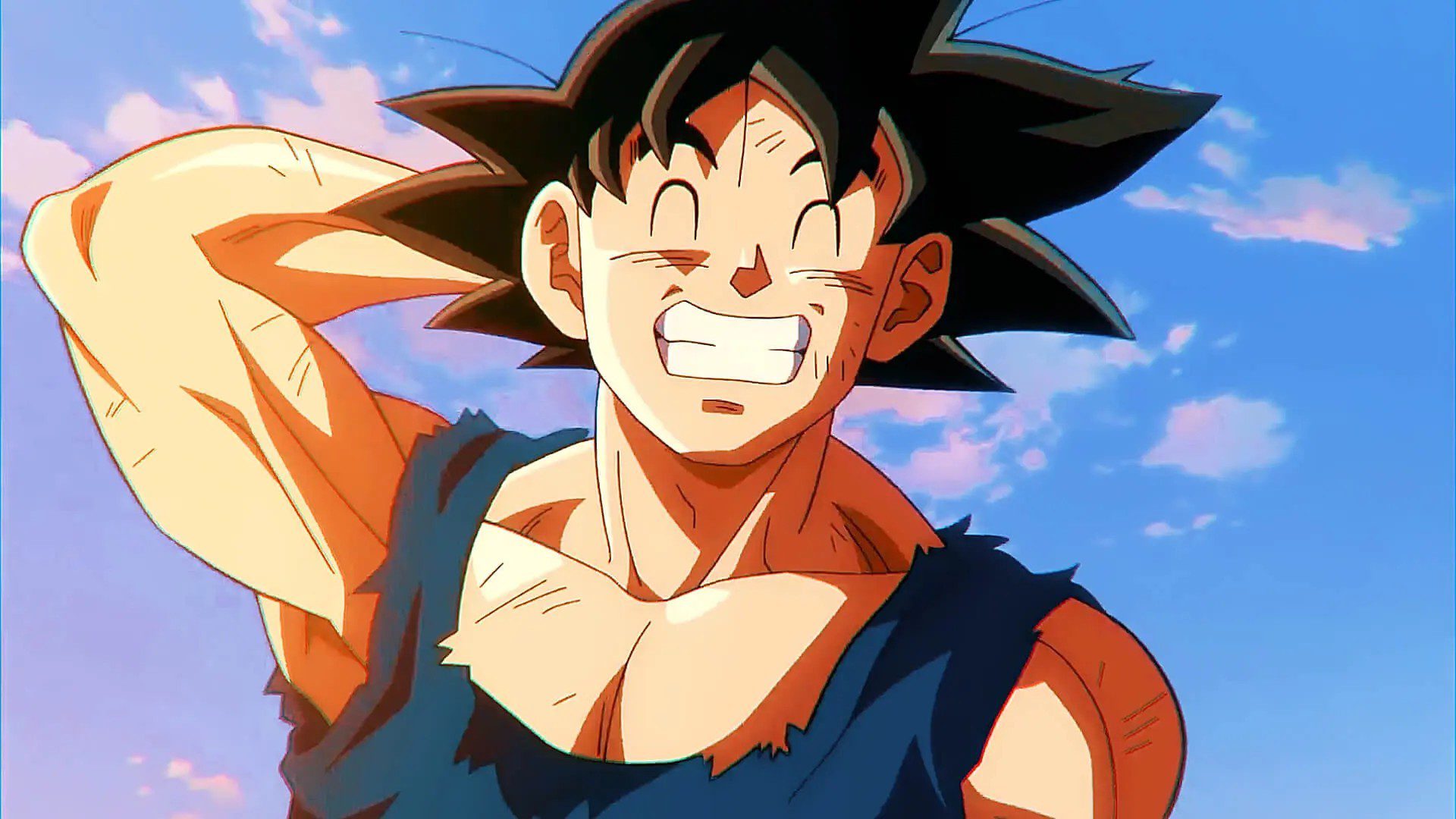
This clash between Yuji and Sukuna is central to the story. Yuji wants to protect people, while Sukuna only seeks destruction. Fans who enjoy complex rivalries often compare this bond to the legendary hero Goku in Dragon Ball, whose battles also define entire eras of anime.
Sukuna’s Appearance
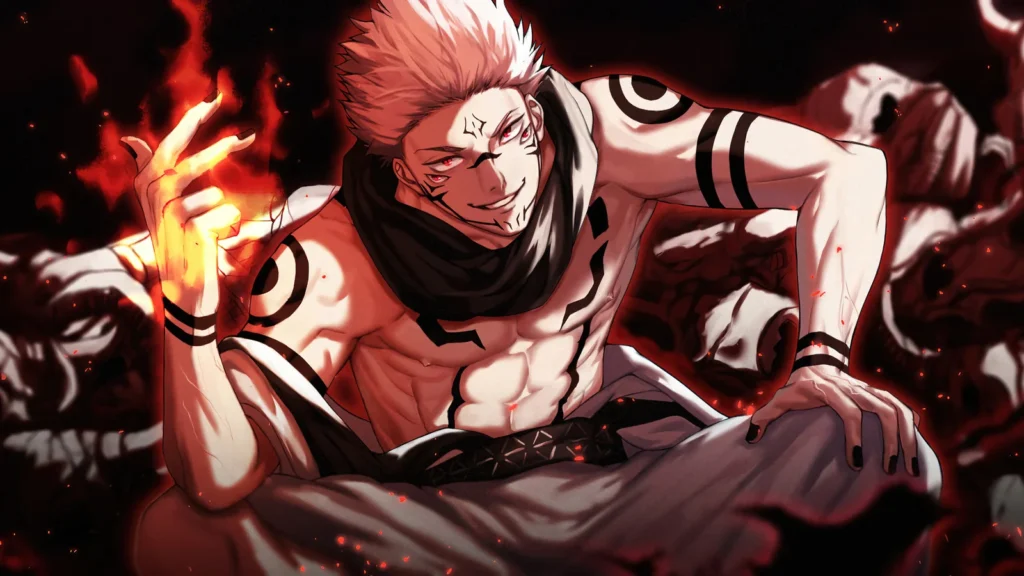
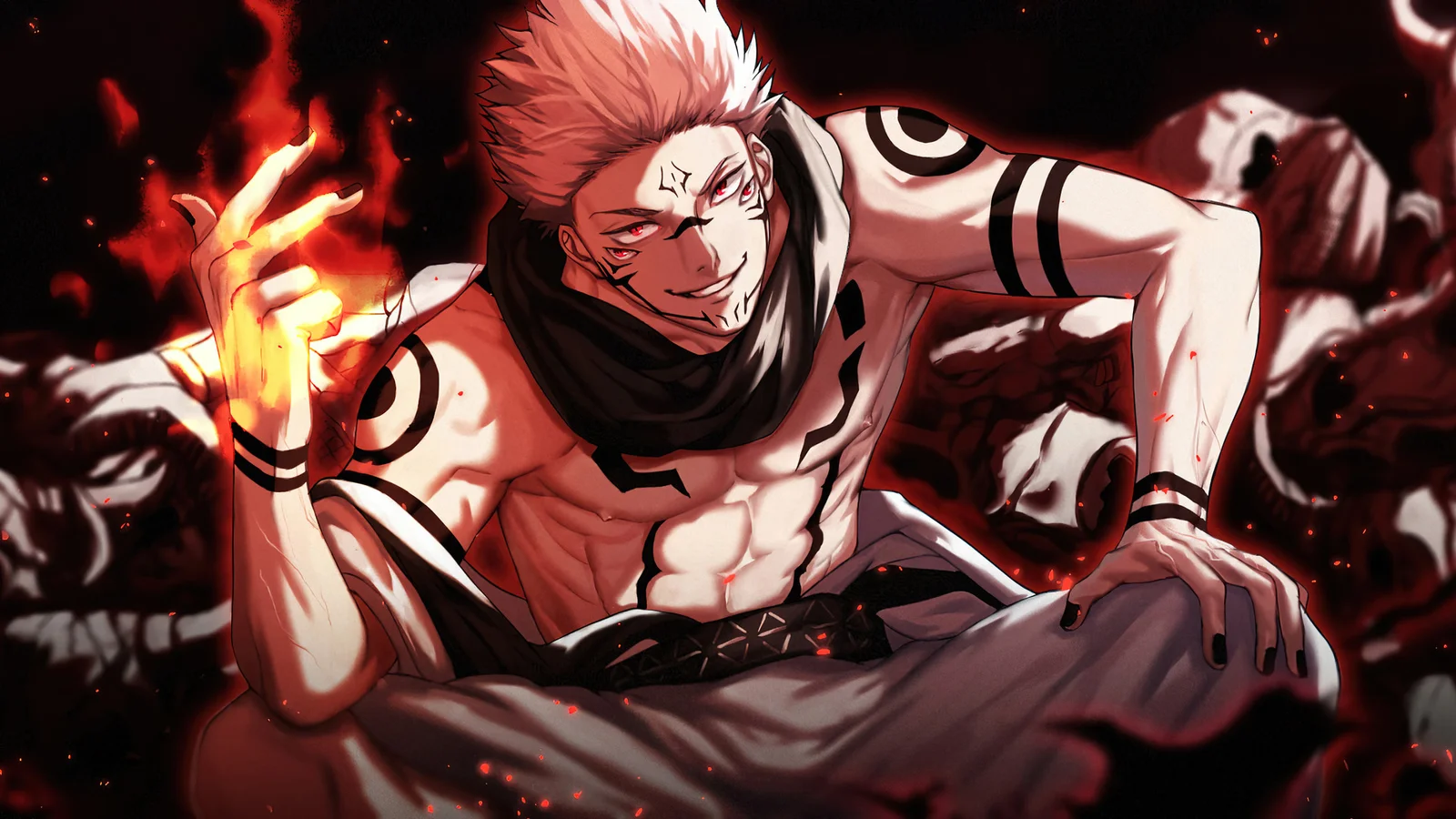
Sukuna has a very distinctive look. When he takes over Yuji’s body, his appearance changes:
- He has markings across his face and body.
- His eyes look sharp and filled with cruelty.
- He often wears a wicked smile, showing his confidence.
In the original legends, Sukuna is described as a being with two faces and four arms. The manga design reflects this myth while making him visually striking in battles. Similar to cultural symbols like Bonnie Blue, Sukuna’s image carries meaning beyond the story.
Sukuna’s Powers and Abilities
Fans have long pointed out that Sukuna’s techniques aren’t just random slashes—they are the tools of a butcher.
- Cleave and Dismantle: His signature moves correspond to different kitchen knives. Cleave is like a Gyutou (beef knife) used for meat, while Dismantle mirrors a Takobiki (sashimi knife) used for fine slicing.
- Malevolent Shrine: His Domain Expansion is a masterpiece of horror. The shrine is decorated with bull skulls and features giant, hungry mouths on each side. It doesn’t trap you; it turns the entire area into a “kitchen” where the opponent is the meal.
- Fuga (Open): The “Black Box” fire technique is often misunderstood. While some think it’s a stolen power, many fans believe it represents the stove or oven, completing his culinary theme. After the butchering (slashing) comes the cooking (fire).
Insight: Sukuna doesn’t just fight; he prepares a feast. He even bit a chunk out of the sorcerer Angel, seasoning the act with “hatred and malice.”
What makes him scarier is his intelligence. Sukuna isn’t just strong — he’s cunning, manipulative, and always several steps ahead of everyone else. His strategy-driven style is admired much like top-tier competitive games, such as the legendary titles highlighted in Best PS2 Games.
Sukuna in Japanese Mythology
While Gege Akutami portrays Sukuna as a malevolent force of nature, the name Ryomen Sukuna originates from the Nihon Shoki, an ancient chronicle of Japanese history dating back to the year 720 AD. In these texts, Sukuna is a figure of deep contradiction, much like the “Two-Faced” meaning of his name.
The “Two-Faced” Symbolism
The name Ryomen (両面) literally translates to “Two Faces.” In ancient descriptions, he was depicted as a singular being with two faces (one on the front and one on the back) and four arms.
In Jujutsu Kaisen, this mythology is brilliantly adapted:
- Physical Duality: The manga eventually reveals Sukuna’s “True Form,” which mirrors the legend’s four arms and extra eyes.
- The Vessel: The “Two-Faced” concept serves as a metaphor for his existence with Yuji Itadori. They are two distinct souls sharing a single physical space, looking in different directions—one toward humanity and the other toward destruction.
Villain or Folk Hero?
Interestingly, the historical perception of Sukuna depends entirely on who is telling the story. This duality makes him one of the most unique inspirations in anime.
- The Imperial Villain: In the Nihon Shoki, the Yamato Imperial Court described Sukuna as a “rebel” and a “demon” who defied the Emperor and brought suffering to the people. This is the version that inspired the “King of Curses.”
- The Local Hero: In the Hida and Mino provinces (modern-day Gifu Prefecture), the legends are completely different. Local folklore celebrates Sukuna as a hero and a benefactor. He is credited with slaying evil dragons, founding ancient temples, and even introducing Buddhism to the region.
Insight: By choosing a figure who is both a “demon” and a “god” depending on the perspective, Akutami emphasizes Sukuna’s core philosophy: he exists outside the human definitions of “good” and “evil.” He is simply power incarnate.
Sukuna as the “God of Famine”
There is a compelling theory that Sukuna represents the Curse of Famine. While other spirits represent the ocean (Dagon) or forests (Hanami), Sukuna represents the horror of “wasted abundance.”
- Offerings for Harvest: In the Heian era, people gave food offerings to Sukuna. They didn’t pray because they loved him; they prayed so he wouldn’t “starve” their lands or eat their people.
- The Bath (Uraume’s Recipe): When Sukuna undergoes a ritual to suppress Megumi Fushiguro’s soul, his servant Uraume prepares it like a literal soup recipe, using the blood of cursed spirits as a “broth.”
- The Ultimate Cannibal: Sukuna has no problem eating himself. He has consumed his own mummified remains and his own cursed fingers to regain power.
Sukuna’s Relationship with Other Characters
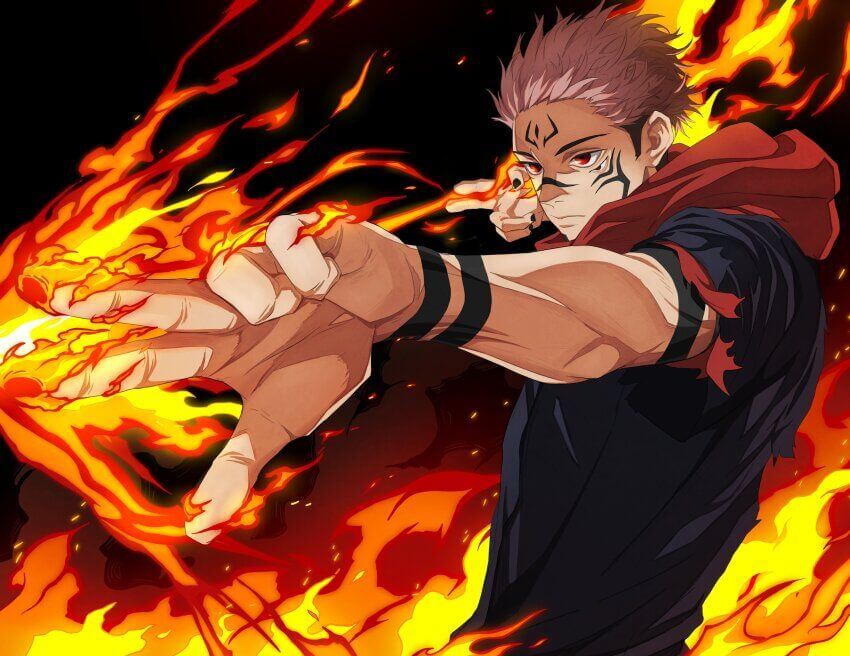
Sukuna doesn’t care for bonds or friendships. But his interactions with other characters reveal much about him:
- Yuji Itadori – The vessel he shares a body with. Sukuna sees Yuji as nothing more than a cage, though sometimes he enjoys mocking him.
- Megumi Fushiguro – A sorcerer Sukuna shows unusual interest in. Fans have theories about why Sukuna wants Megumi’s powers for himself.
- Other Curses – While some curses respect Sukuna, he doesn’t see them as equals. He views himself above everyone.
This lack of loyalty makes him more dangerous, because Sukuna will betray anyone if it suits his goals.
Sukuna vs. Other Villains
Anime is full of powerful villains like Madara (Naruto), Aizen (Bleach), and Frieza (Dragon Ball). What makes Sukuna stand out is his mix of ancient myth, terrifying power, and the way he shares a body with the hero.
Unlike some villains who have tragic backstories, Sukuna doesn’t seek sympathy. He is pure chaos — and that makes him unforgettable. Horror icons like Art the Clown show how villains can become pop culture phenomena without needing redemption, just like Sukuna.
Sukuna’s Domain Expansion: Malevolent Shrine
One of the most exciting parts of Jujutsu Kaisen is when characters reveal their Domain Expansion. Sukuna’s domain, called Malevolent Shrine, is considered one of the most powerful.
Instead of creating a closed space, Sukuna opens his domain without barriers. This means his slashing attacks can reach far beyond normal limits, cutting down everything in a wide radius.
Fans were amazed when this technique was revealed, as it showed just how far ahead Sukuna is compared to other sorcerers. It’s moments like this that make Jujutsu Kaisen a must-watch for anime fans worldwide.
Why Sukuna is So Popular
Even though he is a villain, Sukuna has a huge fanbase. Here’s why:
- Charisma – His confidence and mocking personality make him entertaining to watch.
- Mystery – Fans love trying to uncover his true plans.
- Power – His fights are some of the most exciting in the series.
- Design – His look, with markings and a wicked grin, is iconic.
Some fans even compare him to other great anime villains like Hisoka (Hunter x Hunter) or Dio (JoJo’s Bizarre Adventure). His rise in pop culture echoes how games break through barriers, such as the accessibility of Unblocked Games 6x for players everywhere.
Sukuna in Art and Fandom
Sukuna has inspired countless pieces of fan art, wallpapers, GIFs, and cosplay.
- Artists draw Sukuna in both his mythological form and his anime appearance.
- Fans share Sukuna GIFs online, capturing his best fight scenes.
- Many enjoy making Sukuna wallpapers for phones and computers.
- Cosplayers often recreate his look with tattoos and markings.
This creative side of the fandom shows how much he has already impacted pop culture, just like characters such as Goku have shaped entire generations of fans.
Sukuna’s Role in the Story
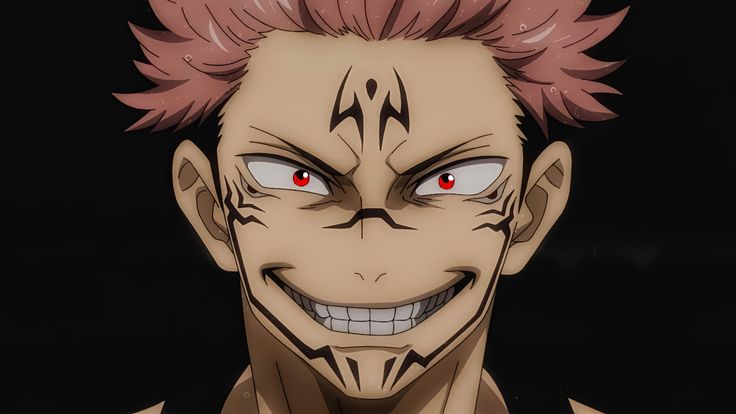
Sukuna is not just a side villain. He is central to Jujutsu Kaisen. Every time he appears, the stakes rise. Fans know that as Yuji eats more fingers, Sukuna’s power grows.
The big question is: Will Yuji ever be able to control Sukuna, or will Sukuna eventually take over completely? This tension keeps readers and viewers hooked.
The Philosophy of “The Fallen”
Unlike villains with tragic backstories like Madara or Aizen, Sukuna has no grand plan for world peace. He lives strictly according to his nature.
As he explains in the later chapters of the manga, he eats when he wants to eat, plays when he is bored, and kills anyone in his way. He is a cockroach that became a God—a being who survived through sheer determination and a refusal to be treated as a normal person.
Sukuna’s Legacy
Even though Jujutsu Kaisen is still ongoing, Sukuna has already made history in anime. He is one of those villains that people talk about even outside the fandom. Sukuna has become a pop culture phenomenon because he offers no excuses for his actions. He is pure, charismatic chaos. From his iconic face markings to his “wicked grin,” he represents the pinnacle of what a villain can be when they are written with a clear, terrifying philosophy.
Whether he is mocking Yuji Itadori or showing a strange, predatory interest in Megumi Fushiguro, every move Sukuna makes is calculated to satisfy his own hunger.
Like Goku in Dragon Ball or Luffy in One Piece, Sukuna has become a name known far and wide. But unlike heroes, his fame comes from fear. He is a reminder that villains can be just as memorable — sometimes even more.
Final Thoughts
Sukuna is not just a character — he is a force of nature in Jujutsu Kaisen. As the King of Curses, he represents ultimate power, chaos, and fear. His relationship with Yuji, his unmatched abilities, and his terrifying presence make him one of the greatest villains of modern anime.
Whether you see him in fights, fan art, or memes, Sukuna stands out. He is proof that a well-written villain can shape an entire story.
Silent, confident, and unstoppable — Sukuna is a legend in the making.
For more anime, game, and pop culture insights, explore related articles like How to Make a Video Game in 2026.