New Baby Mobs Minecraft: Tiny Takeover Update – Everything You Need to Know
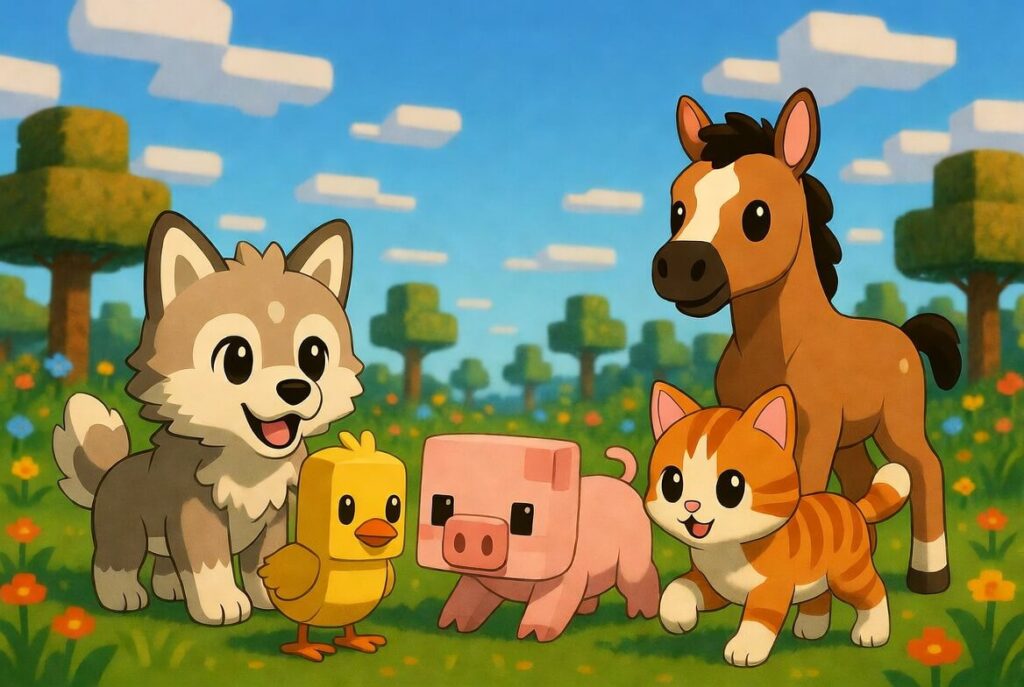
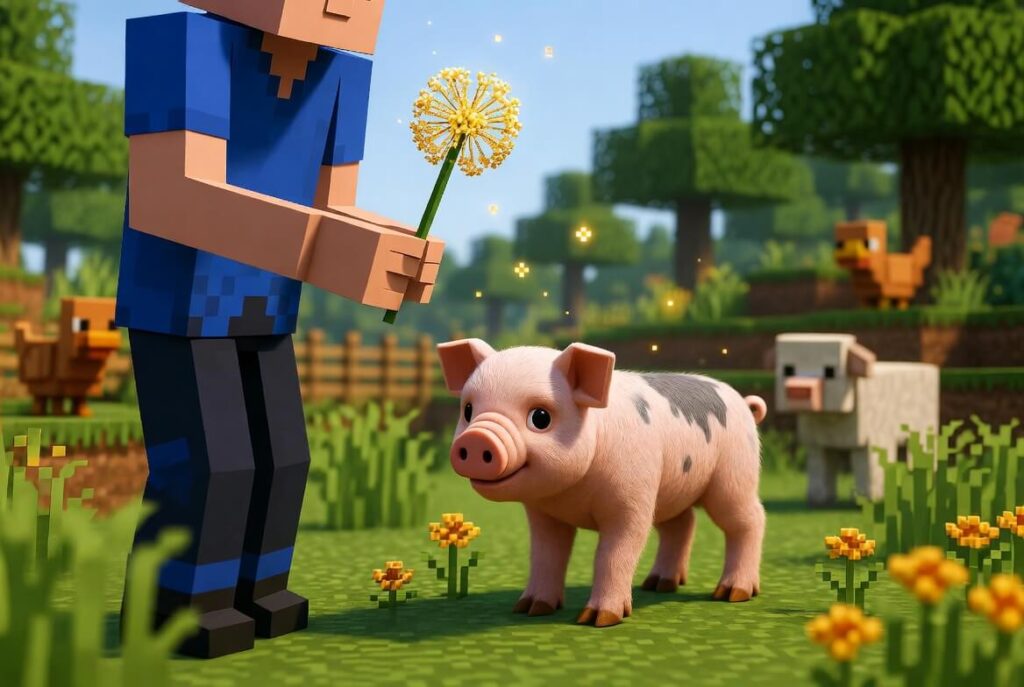
Baby mobs are among the most distinct and dynamic entities in Minecraft’s sandbox ecosystem. From passive farm animals to surprisingly lethal hostiles like Baby Zombies and Baby Piglins, these miniature variants bring unique hitboxes, speed multipliers, and breeding mechanics to your survival worlds.
However, understanding how new and existing baby mobs behave, what items trigger their growth, and how to utilize them in automated farms can be tricky. Whether you want to breed armadillos, manage baby sniffer hatching, or defend your base against miniature hostile mobs, this guide covers every detail you need to know.
If you’re exploring the newest structures where hostile mobs spawn, our Minecraft Trial Chambers guide is a solid next stop, and if you’re after a calmer, buildable companion mob, see how to make a Copper Golem in Minecraft.
Key Takeaways: Minecraft Baby Mobs
- Growth Speed Acceleration: Most passive baby mobs mature into adults in exactly 20 minutes (1 in-game day), but feeding them their favorite food reduces remaining growth time by 10%.
- Hitbox & Speed Differences: Baby mobs feature significantly smaller collision hitboxes and generally move faster than their adult counterparts.
- Special Hatching Conditions: Ancient mobs like Sniffers require Sniffer Eggs placed on Moss Blocks to double hatching speed (10 minutes instead of 20).
- Hostile Threats: Baby Zombies, Baby Zombified Piglins, and Baby Drowned do not burn in sunlight and maintain full adult attack damage with higher speed.
What Makes Baby Mobs Unique in Minecraft?
In Minecraft, a baby mob is a scaled-down version of an adult entity. While they share similar textures, baby variants feature oversized head proportions, altered sound pitch, smaller bounding boxes, and immune drops (baby passive mobs drop 0 XP and no meat/resources upon death).
Recent major updates have continually expanded the roster of baby variants, including aquatic mobs that need taming and careful handling. To learn more about capturing a related aquatic species, check out our guide on how to tame a Nautilus in Minecraft.
To produce a baby mob, feed two adult mobs of the same species their preferred breeding item (such as Wheat for Cows, Armadillo Spider Eyes, or Torchflower Seeds for Sniffers) to enter Love Mode. The resulting baby mob matures into an adult over 20 minutes, which can be accelerated by feeding the baby its preferred food item directly.
New & Classic Baby Mobs Comparison
Evaluating breeding requirements, hatching conditions, and key behavioral traits across the latest additions to the Minecraft mob ecosystem:
Pro Tips for Managing & Farming Baby Mobs
Managing baby mobs effectively allows survival players to streamline automated food, leather, and wool production:
- Use Water Channels for Automatic Separation: Because baby mobs stand under 1 block in height, you can use slab openings and flowing water to separate newborn animals from adult breeding stock instantly.
- Hatch Sniffer Eggs on Moss Blocks: Always place Sniffer Eggs directly on Moss Blocks instead of standard terrain. This cuts the incubation time in half from 20 minutes down to 10 minutes.
- Scoop Up Aquatic Babies in Buckets: Baby Axolotls, Tadpoles, and Dolphins can be caught directly using Water Buckets, allowing effortless transport back to your base aquarium.
- Beware the Jockey Variant: A Baby Zombie has a chance to spawn as a “Chicken Jockey” or mount other nearby mobs like Sheep, Cows, or Spider variants in Bedrock Edition.
Defending your farm from hostile baby mobs is easier with the right gear — see our breakdown of the Minecraft spear, and if you’re ready to test your setups with other players, find out whether Mineplex is back and how to join the server.
Frequently Asked Questions About Minecraft Baby Mobs
Answer: Feeding a baby mob its species’ preferred food item reduces its remaining maturation time by 10% per item consumed until it reaches adult status.
Answer: By design, Baby Zombies are coded to be immune to solar ignition, making them a persistent threat during daytime survival exploration compared to standard adult undead mobs.
Answer: No. Passive baby mobs yield zero experience points and drop no meats, hides, or resources upon death, preventing premature harvesting exploits.
Answer: Breeding any two adult Axolotls gives a 1 in 1,200 (0.083%) chance to spawn a rare Blue baby, regardless of the parent colors used.