By PinkCrow Editorial Team
Reviewed by: Horror Film Research Contributors
Last updated: 2025
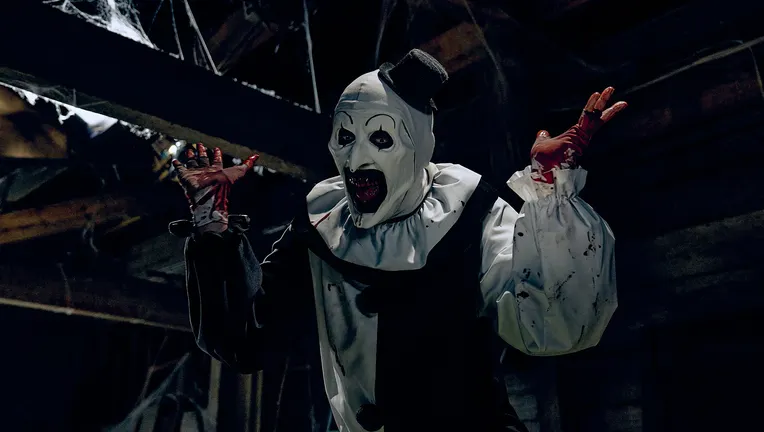
Art the Clown is not just another scary clown. He is one of the most disturbing horror villains created in the last two decades — a character who terrifies audiences without speaking a single word.
Introduced through independent horror films and brought to life by filmmaker Damien Leone, Art the Clown has become the face of extreme modern horror. His silent performances, exaggerated expressions, and shocking violence have earned him a place alongside the most iconic villains in film history.
This guide explains who Art the Clown is, where he came from, why he is so frightening, and how he became a modern horror icon.
Who is Art the Clown?
Art the Clown is a fictional horror character created by writer and director Damien Leone. He is best known as the main antagonist of the Terrifier film series.
Key Facts About Art the Clown
- First appearance: The 9th Circle (2008, short film)
- Major films:
- Terrifier (2016)
- Terrifier 2 (2022)
- Portrayed by: David Howard Thornton
- Notable trait: Completely silent
Unlike most horror villains, Art never speaks. He communicates through mime-like gestures, exaggerated facial expressions, and physical performance, making him unpredictable and deeply unsettling. For people who enjoy diving into character studies, it can feel similar to learning about anime icons like Gojo Satoru or legendary heroes such as Goku.
Leone has repeatedly stated in interviews that Art was inspired by:
- Silent film villains
- Classic mime performances
- The unsettling nature of clowns without context
The First Appearance: The 9th Circle (2008)
Art the Clown first appeared in Leone’s short film The 9th Circle. At the time, he was not intended to become a franchise character.
Despite minimal screen time, audiences reacted strongly to:
- His stillness
- His exaggerated facial expressions
- His lack of explanation
This reaction convinced Leone that Art had untapped potential.Some fans compare his striking look to mysterious symbols such as the Bonnie Blue flag, where simple shapes carry strong meaning.
Why Art the Clown Never Speaks
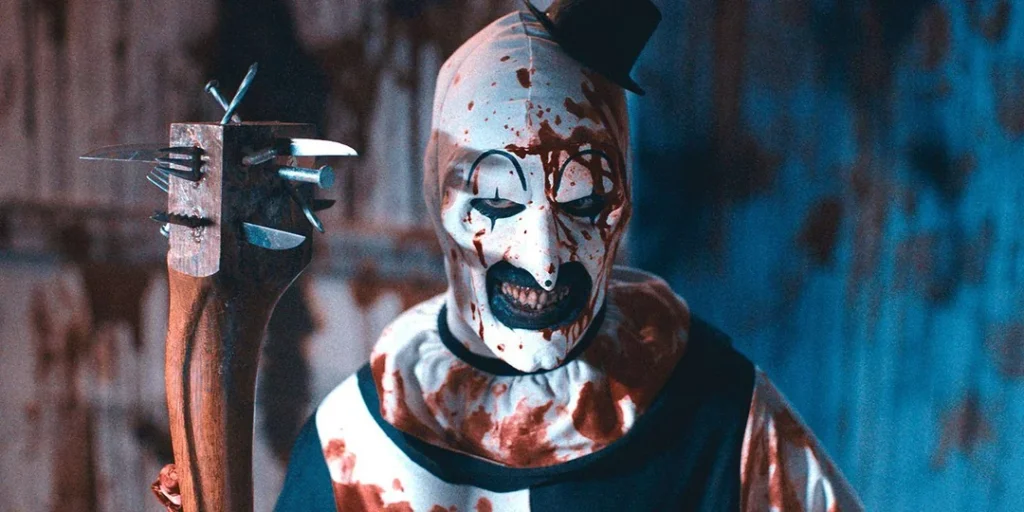
Art’s silence is one of his most defining traits — and one of the most deliberate creative choices.
Psychological Impact of Silence
From a horror psychology perspective:
- Silence removes predictability
- It denies the viewer emotional cues
- It increases anxiety through uncertainty
Most horror villains speak to assert control. Art does the opposite. He forces the audience to project meaning onto his actions, which makes each scene more personal and disturbing.
Silence also allows Art to behave like a performer rather than a character — closer to a nightmare figure than a person.
The Role of David Howard Thornton
Art the Clown is portrayed by David Howard Thornton, a trained physical actor with experience in:
- Mime
- Comedy
- Theatrical movement
Thornton’s performance is essential to Art’s success.
Performance Techniques Used
- Exaggerated eye movement
- Sudden shifts from playful to violent
- Deliberate pacing
- Silent “reaction shots” during brutality
Unlike many horror villains who rely on masks or minimal movement, Art constantly reacts. He watches his victims. He plays to imaginary audiences. He treats murder like slapstick.
This makes him deeply uncomfortable to watch.
Art did not start as the star of a movie. His first appearance was in a short film called The 9th Circle in 2008, created by Damien Leone. People noticed the character immediately, even in that small role.
Leone then made another short film, simply titled Terrifier (2011), where Art had a bigger role. The character became popular enough to get his own feature-length movie: Terrifier (2016).
This movie gained attention because of its brutal and graphic scenes. Horror fans either loved it or were shocked by how far it went. But everyone agreed: Art the Clown was unforgettable. If you’re curious, here’s a guide on how to make a video game in 2026 that shows a similar creative journey.
Terrifier (2016): Low Budget, High Impact
The first full-length Terrifier movie introduced Art as a horror villain with no rules. The film follows two young women who meet him on Halloween night. At first, Art seems like a creepy clown just following them around. But soon, his true nature is revealed.
The 2016 Terrifier film was produced on a very small budget, yet it gained massive attention within horror communities.
Why It Worked
- No studio interference
- No forced character sympathy
- Practical effects over CGI
- Uncompromising tone
The film does not attempt to justify Art’s actions. There is no tragic past, no revenge arc, no explanation. This absence of meaning is itself terrifying.
This movie shocked many viewers with its intense violence. It wasn’t a big-budget film, but it stood out in the horror community because of Art’s disturbing style and terrifying presence. Some horror fans even compare watching it to revisiting the thrills of classic video games like the best PS2 games ever made, where low budgets didn’t stop creativity.
Terrifier 2 (2022)
If the first film was shocking, Terrifier 2 took everything to a bigger level. Released in 2022, the movie had a longer story, more characters, and even more graphic scenes.
What made this movie stand out was the mix of extreme horror with a strange kind of dark humor. Art acts like he is playing a game, enjoying every moment of chaos. His silence makes it worse — he laughs with his expressions, not his voice.
The movie became famous not just in horror circles but in mainstream news, because many audience members said the film was so graphic that people fainted in theaters. This only made Art the Clown even more of a legend in horror.
Why Art the Clown is So Scary
Many horror villains speak. They explain their motives or scream at their victims. Art doesn’t do that. He is silent, and silence creates fear. Here are the main reasons he is so effective:
- Unpredictable Behavior – You never know what Art will do next. He can smile sweetly one moment and become violent the next.
- Dark Humor – Unlike serious killers, Art makes jokes through his actions, almost like a twisted performer.
- Silent Terror – The lack of voice means there’s no explanation. He kills not because of revenge or anger, but simply because he wants to.
- Visual Design – His black-and-white look is simple but haunting, making him stand out even among famous horror villains.
This kind of fascination with dark figures is not new — even in strange hobbies like lotology, people collect rare and odd designs that capture imagination in unique ways.
The Fear of Clowns (Coulrophobia)
Art exploits coulrophobia at its deepest level.
Why clowns are unsettling:
- Painted faces hide true emotion
- Forced smiles feel dishonest
- Exaggerated features distort humanity
Art removes the traditional clown context (circus, laughter) and leaves only the mask — empty, watching, smiling during violence.
Art the Clown vs. Other Horror Icons
Horror has many famous villains:
- Freddy Krueger (from A Nightmare on Elm Street)
- Jason Voorhees (from Friday the 13th)
- Michael Myers (from Halloween)
- Pennywise the Dancing Clown (from It)
But Art the Clown is different. Freddy talks and makes jokes, Jason and Michael are silent but expressionless, and Pennywise is supernatural. Art blends traits from them but creates his own style — a silent clown who acts like a mime while committing brutal acts.
This mix makes him unique and terrifying.
Fan Reactions to Art the Clown
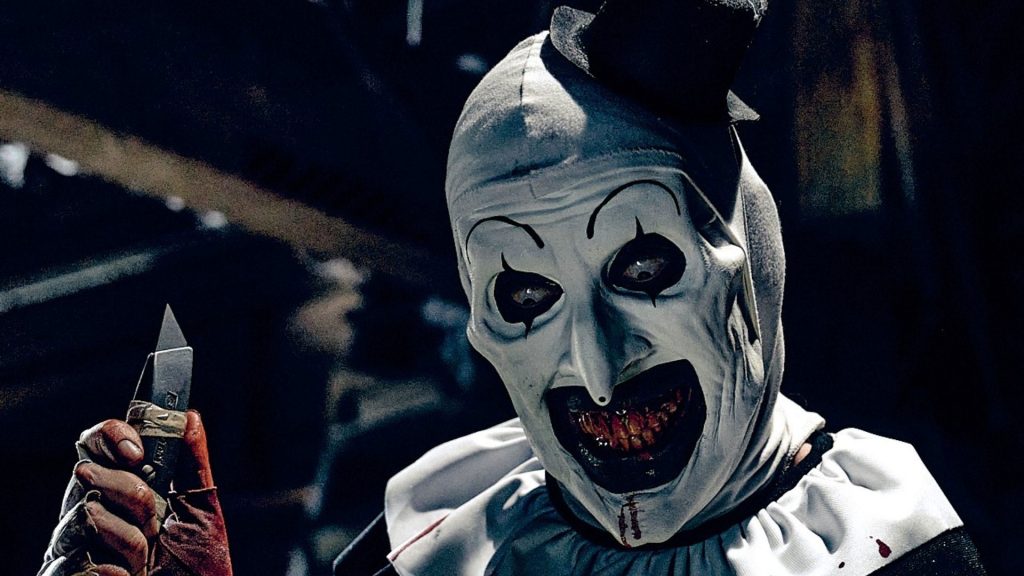
The horror community has strong reactions to Art. Some call him one of the scariest clowns in film history. Others admire the creativity of Damien Leone in building such a character with a small budget.
Fans also create:
- Art the Clown drawings shared online
- Memes and GIFs that capture his chilling smile
- Cosplays, where people dress as him at horror conventions
- Fan theories about his supernatural origins, since he seems to survive impossible injuries
In many ways, Art the Clown has moved from movie screens into pop culture, much like older horror icons did decades ago. Fans often connect their Art obsession with other fun fandoms online, whether it’s playing unblocked games at school or exploring the history of the ukulele.
The Psychological Side of Art the Clown
Why does Art the Clown affect people so strongly? Horror experts say it comes down to psychology:
- The Fear of Clowns: Many people already find clowns disturbing because their painted faces hide real emotions. Art takes this fear to the extreme.
- The Silence: Humans expect communication. When someone doesn’t speak, it feels unnatural and threatening.
- The Smile: A smile during violence creates a disturbing contrast, confusing the mind and making the fear stronger.
Art works because he taps into these deep human fears.
Terrifier 3 and the Future
After the huge success of Terrifier 2, fans are waiting for Terrifier 3. Director Damien Leone has confirmed it is being developed. People expect it to push boundaries even more, both in storytelling and horror.
If it continues the same path, Art the Clown could become a long-lasting horror icon, standing beside the greats of the genre.
Why Art the Clown Stands Out
What makes Art special is not just the violence, but the strange mix of humor, performance, and silence. He is not simply a monster — he is a character that unsettles viewers on many levels.
- He looks simple, but the design stays in your memory.
- He doesn’t speak, which makes his actions louder.
- He is both playful and deadly, which confuses the audience.
This combination ensures that people talk about him long after the credits roll.
Fan Theories and Supernatural Debate
Fans debate whether Art is:
- A demon
- An undead entity
- A manifestation of evil
- Something created through ritual
The films intentionally avoid clear answers, which allows Art to remain unknowable — a key element of enduring horror icons.
Final Thoughts
Art the Clown is not for everyone. His movies are extreme, sometimes too much even for regular horror fans. But he has earned his place in modern horror history. From a small short film to worldwide fame, Art has become a figure that both fascinates and terrifies.
He is proof that even with a simple design, a unique idea, and a powerful performance, a new horror icon can be born. Just like Freddy, Jason, and Pennywise, Art the Clown now lives in the nightmares of audiences everywhere.
Silent. Smiling. And unforgettable.
Frequently Asked Questions About Art the Clown
Who is Art the Clown?
Art the Clown is a fictional horror character created by filmmaker Damien Leone. He is the main antagonist of the Terrifier film series and is known for his silent behavior, exaggerated facial expressions, and extreme violence. Art first appeared in the short film The 9th Circle (2008) before becoming the central villain of Terrifier (2016) and Terrifier 2 (2022).
Why doesn’t Art the Clown talk?
Art the Clown never speaks by design. Damien Leone chose silence to make the character more unpredictable and unsettling. Without dialogue, viewers cannot anticipate Art’s intentions, which increases tension and psychological fear. His communication relies entirely on physical movement and facial expression.
Is Art the Clown based on a real person?
No, Art the Clown is not based on a real person. He is a fictional character inspired by silent film villains, mime performances, and the unsettling nature of clowns. His impact comes from psychological fears such as coulrophobia and discomfort with exaggerated, emotionless facial expressions.
Who plays Art the Clown?
Art the Clown is portrayed by actor David Howard Thornton. Thornton’s background in physical acting and mime is essential to the character’s effectiveness. His performance relies on precise movement, expressive reactions, and timing rather than spoken dialogue.
Is Art the Clown supernatural?
The Terrifier films intentionally leave Art’s nature unclear. He survives injuries that would normally be fatal, which suggests supernatural elements, but no official explanation is given. This ambiguity is a deliberate creative choice to keep the character mysterious and unsettling.
What movies feature Art the Clown?
Art the Clown appears in The 9th Circle (2008), Terrifier (2011 short film), Terrifier (2016), and Terrifier 2 (2022). He is also confirmed to return in Terrifier 3.
Why is Art the Clown considered so scary?
Art is frightening because he combines silence, unpredictability, dark humor, and extreme violence. Unlike many horror villains, he has no clear motive or emotional explanation. His playful behavior during acts of cruelty creates intense psychological discomfort for viewers.
Is Art the Clown more violent than other horror villains?
Yes, Art the Clown is widely considered one of the most violent mainstream horror characters. The Terrifier films feature graphic practical effects and prolonged violent scenes that go beyond what is typical in studio-produced horror movies.
Are the Terrifier movies based on true events?
No, the Terrifier movies are entirely fictional. While they draw inspiration from classic slasher films and horror traditions, none of the events or characters are based on real crimes or historical incidents.
Why did people walk out of Terrifier 2?
Terrifier 2 gained attention after reports of audience members leaving theaters due to its extreme gore and intensity. Some viewers experienced physical discomfort during certain scenes, which contributed to the film’s viral reputation and widespread media coverage.
What makes Art the Clown different from Pennywise?
While both characters are clowns, they are very different villains. Pennywise speaks, manipulates psychologically, and has a defined supernatural origin. Art the Clown is completely silent, more physically brutal, and lacks a clear backstory or motive, making him feel more chaotic and unpredictable.
Does Art the Clown have a backstory?
Art the Clown does not have a traditional backstory. The films provide minimal information about his origins, which is intentional. This lack of explanation prevents audiences from rationalizing his behavior and keeps the character frightening.
Is Terrifier suitable for all horror fans?
No. The Terrifier films are not suitable for all viewers. They contain extreme violence and graphic content and are generally recommended only for experienced horror fans who are comfortable with intense material.
Will there be a Terrifier 3?
Yes. Terrifier 3 has been officially confirmed by creator Damien Leone. The film is expected to continue Art the Clown’s story and further expand the franchise while maintaining its focus on practical effects.
Why has Art the Clown become so popular?
Art the Clown’s popularity comes from his originality, physical performance, and rejection of modern horror conventions. His success also reflects a growing interest in independent horror films that prioritize creative freedom over studio safety.
Is Art the Clown a horror icon?
Many horror fans and critics consider Art the Clown a modern horror icon. His distinctive appearance, silent performance, and cultural impact have placed him alongside established slasher villains despite originating from low-budget independent films.