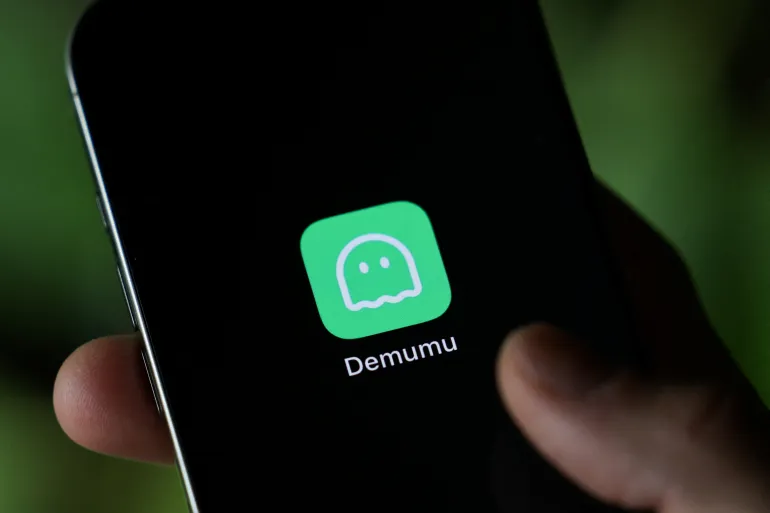
In early January 2026, a simple yet provocative mobile app skyrocketed to the top of China’s paid App Store charts. Originally called “Are You Dead?” (Chinese: 死了么 or Sileme, a playful pun on the food delivery giant Ele.me’s “Are You Hungry?”), it quickly became a cultural phenomenon — and a lightning rod for controversy.
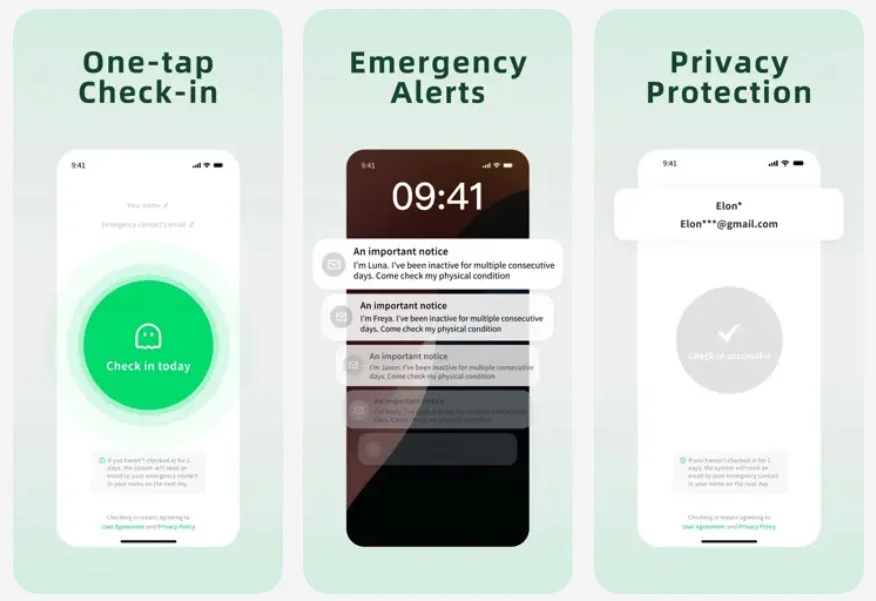
The concept is brutally straightforward: users set up one or more emergency contacts (family, friends) and commit to tapping a large green button every 1–2 days to confirm they’re alive. Miss two consecutive check-ins, and the app automatically emails your contacts: “Please check on [Your Name] — no recent signal.” No GPS tracking, no constant notifications, no complex setup — just a minimalist safety net for people who live alone.
Launched quietly in May 2025 by a small three-person team (Moonscape Technologies) for roughly 1,000 yuan (~$140) in development costs, the app exploded in popularity amid growing awareness of China’s massive “solo dweller” population — estimated at over 125 million people, many young urban migrants who rarely see family. It briefly topped paid utility charts in China before reportedly being removed from mainland stores (possibly due to regulatory scrutiny over “superstitious” content or death-related themes). Internationally, it’s rebranded as Demumu and has climbed charts in places like the US, Singapore, Hong Kong, Australia, and Spain — often driven by overseas Chinese users.
By 2030, China — a nation of 1.4 billion people — could have 200 million one-person households, according to the state-backed Global Times newspaper, which cited real estate research institutions.
- BBC: ‘Are You Dead?’: The viral Chinese app for young people living alone (Jan 12, 2026)
- NBC News: A viral question for young Chinese people living alone: ‘Are you dead?’
- Reuters: ‘Are you dead?’ Chinese app for single living goes viral
- CNN: Viral app in China taps into national loneliness by asking: ‘Are You Dead?’
- South China Morning Post: China ‘dead or alive’ app allows solo users check in daily
Why the Name Caused Such a Stir
The blunt title triggered immediate backlash in Chinese online communities (Weibo, Douyin, Xiaohongshu). Many users called it morbid or bad luck — death is a deeply taboo subject in Chinese culture, and even joking about it can feel like tempting fate. Suggestions flooded in for gentler alternatives: “Are You Alive?” (活着么), “You Okay?” or “Still Here?”
The developers initially defended the dark humor as attention-grabbing and honest, but quickly pivoted: they renamed the global version Demumu (a “cuter” blend evoking “death” + a playful suffix), introduced a small subscription fee after going viral, and even opened name suggestions from users. Some reports mention the app vanishing from China’s App Store amid censorship concerns.
Valuable Ideas: Beyond the Meme
This app isn’t just quirky tech — it’s a mirror to modern isolation:
- Loneliness as a public health issue — With urbanization, delayed marriage, and the lingering effects of the one-child policy, millions live alone without regular check-ins. Similar “dead-man’s switch” tools exist elsewhere (e.g., wellness apps or senior monitoring devices), but this one’s low-friction, email-only approach makes it accessible.
- Potential enhancements — Future versions could add optional features like integrating with smart home devices (e.g., motion sensors), voice check-ins for elderly users, or gamification (streaks, gentle reminders). Privacy-focused users appreciate no location data — that’s a selling point worth keeping.
- Cultural adaptations — In Western markets, a softer name like “Daily Check-In” or “I’m Here” might perform better. For families, reverse the flow: let parents set it up so kids get alerted if mom/dad misses check-ins (more common senior safety use case).
- Alternatives already emerging — Free clones popped up almost instantly (e.g., “Are You Alive?” apps). This shows demand exists beyond the viral name — people genuinely want simple ways to signal “I’m okay.”
Would you install something like this for elderly parents or yourself if living solo? It reduces the emotional labor of daily calls while providing real peace of mind — one tap at a time.
What do you think: brilliant minimalism or too bleak?