Quick Summary
✅ PROS:
- Over 400 games in Ultimate tier with 75+ day-one releases annually
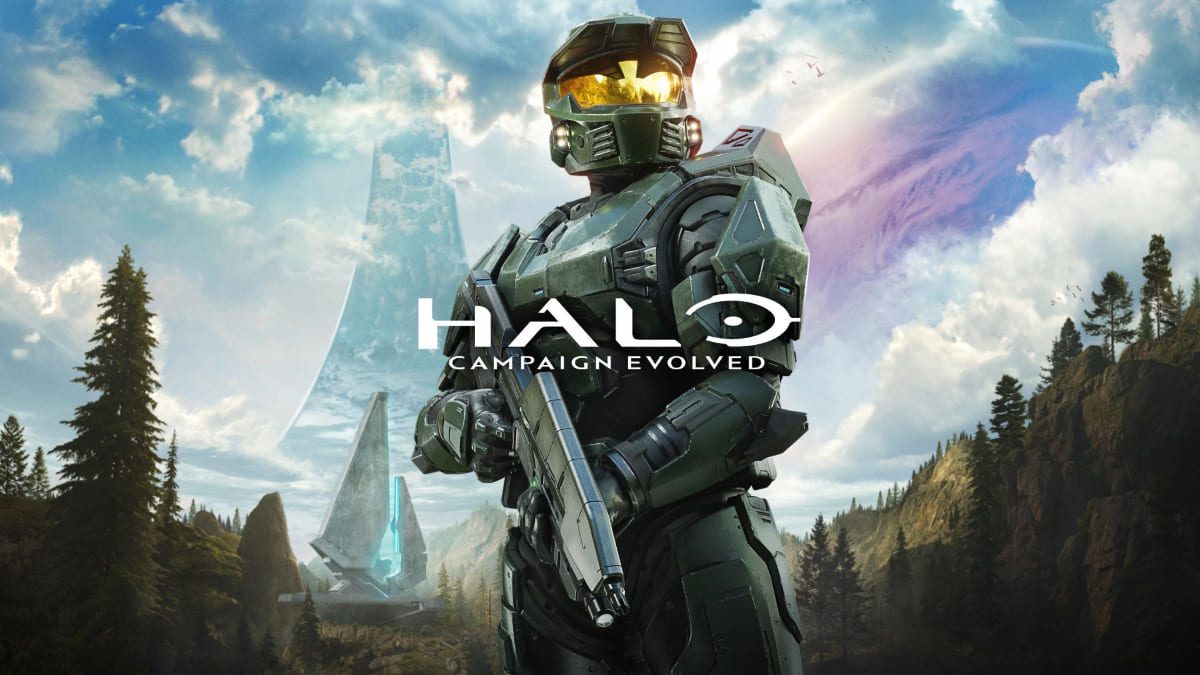
- Includes Activision Blizzard titles like Call of Duty: Black Ops 6
- Major improvements to cloud gaming (1440p/60fps streaming)
❌ CONS:
- Ultimate tier jumped 50% to $29.99/month
- Call of Duty titles excluded from some features
- Potential future restructuring could impact PC gamers
The Elephant in the Living Room
We have to discuss what is on everybody’s mind, and that is the fact that now the Xbox Game Pass Ultimate will cost 29.99 a month, a terrifying half-price rise of 50 percent compared to 19.99 a little less than a year ago. It amounts to 360 dollars a year or about five full priced AAA games. That is a bitter pill to swallow considering that this used to be the service that boasted of the best deal in gaming.
However, the thing is this: following the eventual realization of the Activision Blizzard acquisition by Microsoft and coming out of the dust following the price restructuring of October 2025, Game Pass has become something truly unprecedented. Whether it is expensive or not is not the question but whether the premium price tag will bring premium value in February 2026.
“It’s not for everybody. If you play one or two games a year, Game Pass probably isn’t the right business model for you; you should just buy those two games, and that would make total sense. But I want you to have the choice.”
— Phil Spencer, Microsoft Gaming CEO (April 2025)
Why Xbox Game Pass is so Valuable?
With the introduction of Xbox Game Pass on June 1, 2017, people doubted that a subscription model was going to be effective in the gaming industry. The service has made almost half a billion dollars in annual revenues and has radically changed the expectation of consumers regarding ownership of games and access to games eight years later.
The figures are a remarkable tale of unmatched worth:
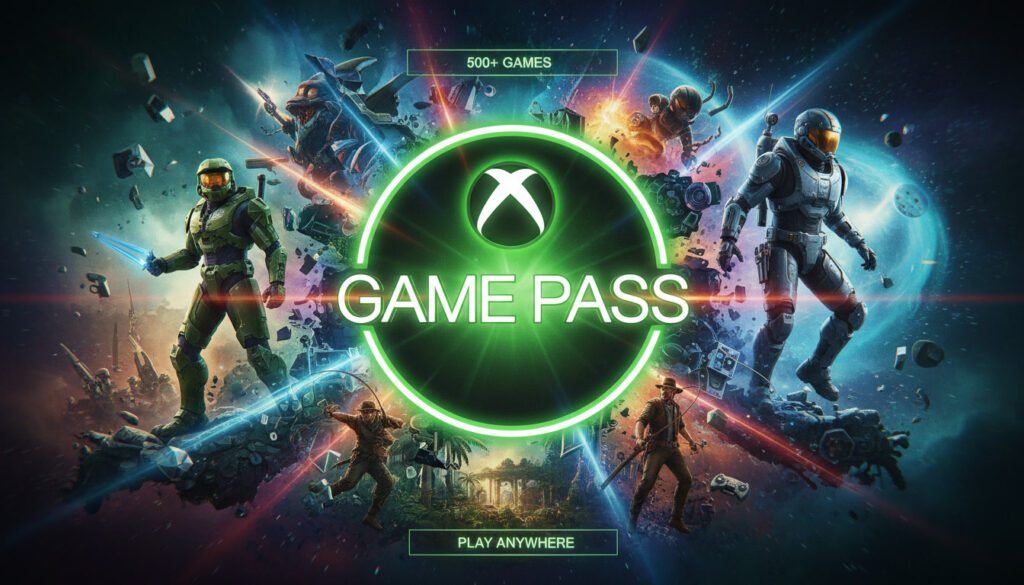
- Ultimate tier subscribers get 500 or more games on console, PC and cloud.
- Xbox first-party titles are on day one, no hoarding or $70 price tags.
- The average subscribers watch 18 titles every year, compared to 15 in 2023.
- Users of Game Pass achieve 34% greater user hours of engagement compared to non-customers.
- The Xbox Rewards are up to $100 a year to members.
Take the value proposition: In 2025 alone, blockbuster day-ones were Doom: The Dark Ages, Avowed, Clair Obscur: Expedition 33, and even the critically-acclaimed Indiana Jones and the Great Circle. Ultimate (costing 29.99 a month) offered the subscriber those titles, which would otherwise cost them 60-70 each, among hundreds of others, at less than the price of one AAA game.
Three Tiers Built for Every Gamer
By late 2025, Microsoft entirely re-branded Game Pass and the differences between the two are important as ever:
| Feature | Essential | Premium | Ultimate |
|---|---|---|---|
| Monthly Price | $9.99 | $14.99 | $29.99 |
| Annual Cost | $119.88 | $179.88 | $359.88 |
| Game Library Size | 50+ games | 200+ games | 400+ games |
| Day-One Releases | None | After 12 months | 75+ per year |
| Cloud Gaming Quality | Standard (720p) | Enhanced (1080p) | Premium (1440p/60fps) |
| Online Multiplayer | ✅ Yes | ✅ Yes | ✅ Yes |
| EA Play | ❌ No | ❌ No | ✅ Yes |
| Ubisoft+ Classics | ❌ No | ❌ No | ✅ Yes |
| Fortnite Crew | ❌ No | ❌ No | ✅ Yes |
| Cross-Platform | Console/PC/Cloud | Console/PC/Cloud | Console/PC/Cloud |
Xbox Game Pass Essential ($9.99/month) includes 50+ console, PC, and cloud games, as well as on-line multiplayer. Consider this the entry point-solid with casual players who primarily will desire online access as well as a rotating catalog.
Xbox Game Pass Premium (14.99/month) will offer a library of 200+ games, and will guarantee all titles published by Xbox within 12 months of release. Premium subscribers will have access to new games published by Xbox within one year of their release, which is the most advantageous point of patient gamers.
The flagship tier is Xbox Game Pass Ultimate (29.99 per month), which has access to more than 400 games with at least 75 of them being released on day 1 every year. Included, as well, is Fortnite Crew (monthly skins and 1,000 V-Bucks), Ubisoft+ Classics, and EA Play, not to mention the best experience in cloud gaming with 1440p streaming and the shortest wait times.
AAA Exclusives That Move the Needle
Here Game Pass comes in handy. The merger of Activision Blizzard portfolio has been a game changer. Call of Duty: Black Ops 6, which is in the Gulf war era around the early 1990s, became the first franchise to be available on Game Pass Ultimate on day-one. The Black Ops 6 happens to be the first time in a long time the series has been as good as it is, and the smart campaign and fluid multiplayer with new omni-movement system.
Starfield is the flagship Bethesda experience, which has more than 1,000 planets to explore with significant RPG personalization. Although it was added to Ultimate and PC Game Pass as early as 2023, it was only made available to Premium subscribers at the beginning of 2025, and this testifies to the 12-month window strategy by Microsoft.
Obsidian’s most recent RPG based on the Pillars of Eternity, Avowed, day one release was on Ultimate and PC Game Pass in mid-February 2026. In the meantime, Fable is being confirmed to release in Autumn 2026, as the ambitious rebrand of the much-loved fantasy franchise by Playground Games.
Indiana Jones and the Great Circle demonstrates the art of immersion of action by the developer of the game of the same name, MachineGames. The game is a reflection of Indy improvisational style with a highly structured stealth and action, and it fits perfectly among the best adventures of the character.
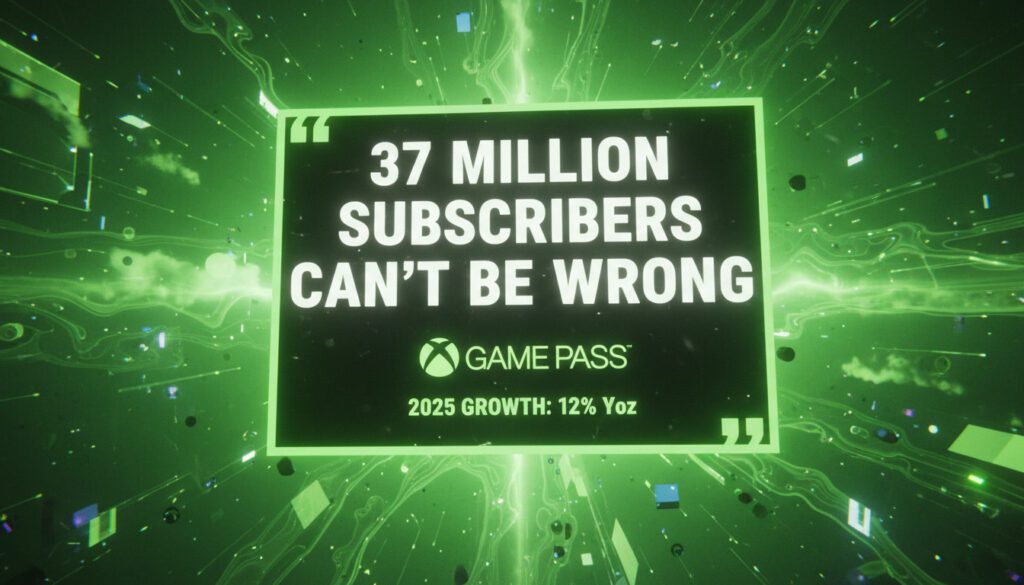
Coming Soon: Fable (Autumn 2026)
Playground Games’ highly anticipated fantasy reboot arrives later this year, promising to be one of the biggest releases of 2026.
The Indie Gems
Game Pass has been the place of indie discovery, and 2026 follows the trend:
Blue Prince is a puzzling architectural game that has been shaking heads. It is a frighteningly addictive first-person strategy combined with mystery, unbelievable design, and rewarding approach to the atmosphere as a rogue-lite game. It is the sort of experimental title which does the subscription by itself.
Indika was an exclusive narrative adventure, the new service that became part of the service in early February. The puzzle game has impressive presentation and style with sensitive topics being addressed by the story of a Russian nun. It is precisely what Game Pass members are fond of discovering: the kind of a hidden gem.
Hollow Knight: Silksong has come out of development hell. The moveset of Hornet is nimble with each jump and a swipe of a blade, and after eight years between the games, Pharloom is home. This in itself can be seen as months of subscription by Metroidvania fans.
Cloud Gaming: The Future Is (Almost) Here
In late 2025, Xbox Cloud Gaming was updated the most extensively ever. The ultimate subscribers are now 1440p streaming at 60fps with sharper imagesl, matching the performance of NVIDIA GeForce Now and still being easier to use like a console.
The implications in the field are gigantic. Hisense and Vizio smart TVs now have the Xbox app in 2026, alongside Samsung, which means you can play Starfield or Forza Horizon 6 on your television with nothing more than a controller no console required. There are now sync indicators on the cloud saves and cloud gaming is available on all levels- Essential, Premium and Ultimate, although Ultimate has priority access and quality.
This can be true value to areas where consoles are excessively priced or to gamers that play on more than one platform. Input latency has also massively reduced, but competitive play with a local hardware still has an advantage.
Real-World Performance
- Best for: Turn-based games, RPGs, and single-player adventures
- Avoid for: Competitive shooters and fighting games (local hardware still superior)
- Internet requirement: 20+ Mbps for 1080p, 50+ Mbps for 1440p
Who Should Subscribe in 2026?
The Budget Gamer: Ideally, the figure of $30/month is too high; then move on to Premium, which is $14.99. You will have 200 or more games and be able to play the largest Xbox titles such as Fable or Gears of war: E-Day 12 months following its release. Even then that is a huge amount of value compared to purchasing games on a case-by-case basis and when you add in the fact that you play 3-4 titles per year and you would otherwise pay 70 USD per game.
The Day-One Enthusiast: Ultimate is very expensive, but calculate. The average subscriber on the Game Pass Ultimate plan spends $550 on games annually and the collective value of the catalog is over 10,000. The value proposition will be valid to you, in case you are a person who plays Call of Duty, Forza, Halo, and various indie games each year, and you consider cloud computing and Fortnite/Ubisoft benefits important.
Patient Gamer: Essential: 9.99 may be your alley. You have a good 50 game rotating catalog and online multiplayer. Simply understand that you are now waiting longer to have first-party releases and you are also missing the best streams of the cloud.
The PC Purist: Get your eye on the prize. There have been rumors that Microsoft could combine PC Game Pass and Premium, possible eliminating an opportunity to play large releases on day-one such as Forza Horizon 6 and Fable to PC-only subscribers. Nothing is definite yet in 2026 but written word may have it.
FAQs
Games do rotate out of the catalog, but Microsoft typically provides 30 days’ notice before removal. First-party Xbox titles (Halo, Forza, Gears) remain permanently. Third-party games average 12-18 months in the catalog, though some stay longer.
That’s debatable in 2026. If you exclusively game on PC and don’t use cloud gaming, you’re paying extra for console features you won’t use. The inclusion of EA Play, Ubisoft+ Classics, and day-one access might justify it for multi-genre players, but watch for potential PC Game Pass restructuring rumors.
Yes, but with limitations. Ultimate subscribers can share their subscription with up to four family members through Xbox Home sharing on a single console. However, cloud gaming access and some bundled perks like Fortnite Crew are tied to the primary account only.
Yes, but with caveats. You need to designate your console or PC as your “Home” device and check in online once every 30 days to verify your subscription. Downloaded games work offline during this window, but cloud gaming obviously requires internet.
Your saved games remain in cloud storage for 90 days after cancellation. If you resubscribe within that window, everything syncs back. After 90 days, cloud saves are deleted, though local saves on your device persist if you later purchase the game outright.
As of February 2026, PlayStation Plus Premium costs $17.99/month and offers around 500 games, including PS4, PS5, and classic titles. However, Sony doesn’t offer day-one releases for flagship exclusives like God of War or Spider-Man. Game Pass Ultimate costs more but includes all Xbox first-party titles at launch, plus Activision Blizzard games—a distinction PlayStation can’t match.