How Genshin Impact’s Region Releases Reshape Player Spending Decisions
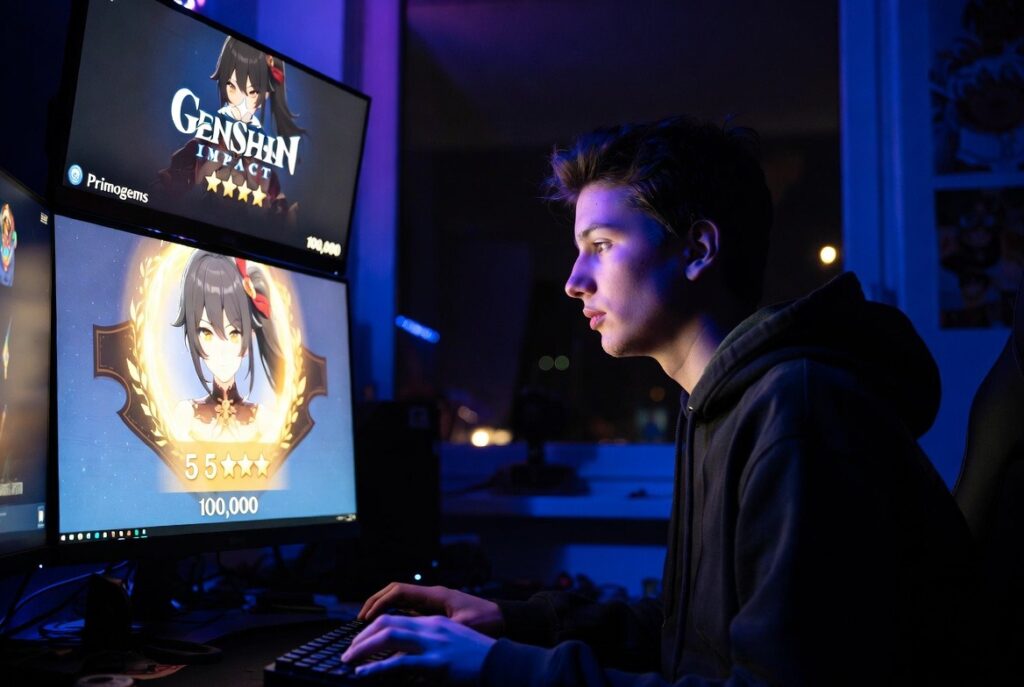
Genshin Impact has grown into something more like a long-running fantasy series than a regular video game. It launched back in 2020 with Mondstadt as the starting area, and since then the map has expanded through Liyue, Inazuma, Sumeru, Fontaine, and most recently Natlan. Each new region brings its own geography, its own gods and heroes, and its own cultural flavor. You can read more about the game and its world on the official Genshin Impact website.
New regions arrive roughly once a year, and every one of them changes how players think about their time and, for some, their money. If you’ve played long enough, you already know the drill: a new map shows up, new characters drop, the meta shifts, and suddenly you’re doing math on your Primogem stash.
This article breaks down why region launches matter so much, how to plan your spending around them, and what experienced players have learned from watching the cycle repeat across six full regions.
What Makes Region Launches Different From Regular Patches
HoYoverse pushes out new content on a six-week patch cycle. Most patches add two banner phases with a mix of new and returning characters. That’s the steady drumbeat of the game. But the patches that introduce a brand-new region are a different animal entirely.
A region launch usually brings:
- A massive new map to explore, often with hidden quests and puzzles
- A new main story arc tied to a fresh archon and pantheon
- New world bosses that drop materials for upcoming characters
- New artifact sets built around the region’s elemental themes
- New characters whose kits are tuned to the region’s mechanics
How Each Region Reshaped the Meta
Every region launch has changed the way teams are built. Here’s a quick look at the impact each one had:
| Region | Year | Main Element Focus | What It Changed |
| Mondstadt | 2020 | Anemo | Set the foundation for elemental reactions |
| Liyue | 2020 | Geo | Introduced shielding and Geo resonance teams |
| Inazuma | 2021 | Electro | Expanded Electro reactions and added new artifact sets |
| Sumeru | 2022 | Dendro | Added a brand-new element and rewrote team-building |
| Fontaine | 2023 | Hydro | Brought Pneuma/Ousia mechanics and HP-based scaling |
| Natlan | 2024 | Pyro | Refocused attention on Pyro after several quiet patches |
Sumeru is the clearest example of how big these shifts can be. Adding Dendro literally rewrote what a “good team” looks like. Fontaine did something similar with its new mechanics around HP scaling and Pneuma-Ousia. Natlan brought Pyro back into the spotlight after the element had been overshadowed for a while.
Why This Creates Pressure to Spend
What all of this adds up to is a pretty predictable rhythm of big decisions. If you’ve been playing casually for a couple of patches, a region launch will almost always introduce a character you actually want, paired with artifacts you can only farm in the new area.
The pressure here is real, not just hype. If you skip the signature character of a new region, you might lock yourself out of certain team builds for months until that character runs again, sometimes a full year.
The Top-Up Question: Free-to-Play vs Spending
For free-to-play players, the math around a region launch is mostly about Primogems. Have you saved enough to guarantee the character you want?
Here’s how the numbers break down:
- A guaranteed five-star on a featured banner takes around 180 Wishes
- That’s roughly 28,800 Primogems
- Players who have been saving across several patches can usually hit that without spending
- Players who started later or who pulled on smaller banners often come up short
If you’re short by a few thousand Primogems, you’re in the territory where the top-up market becomes relevant.
Where to Buy Genesis Crystals
There are two main paths:
- Official in-game shop. HoYoverse sells Genesis Crystals at fixed price tiers. First-time purchases at each tier come with a double bonus, which makes them the best value you’ll get from the official channel.
- Third-party platforms. Various services handle Genshin top up transactions, and prices can vary depending on your region and payment method. Platforms like Eldorado are popular when official regional pricing or payment options don’t fit your situation.
Which path makes sense really comes down to two things: what payment methods you have access to, and what the price works out to once you factor in your local currency and any tier bonuses.
A Smarter Pulling Strategy for Region Launches
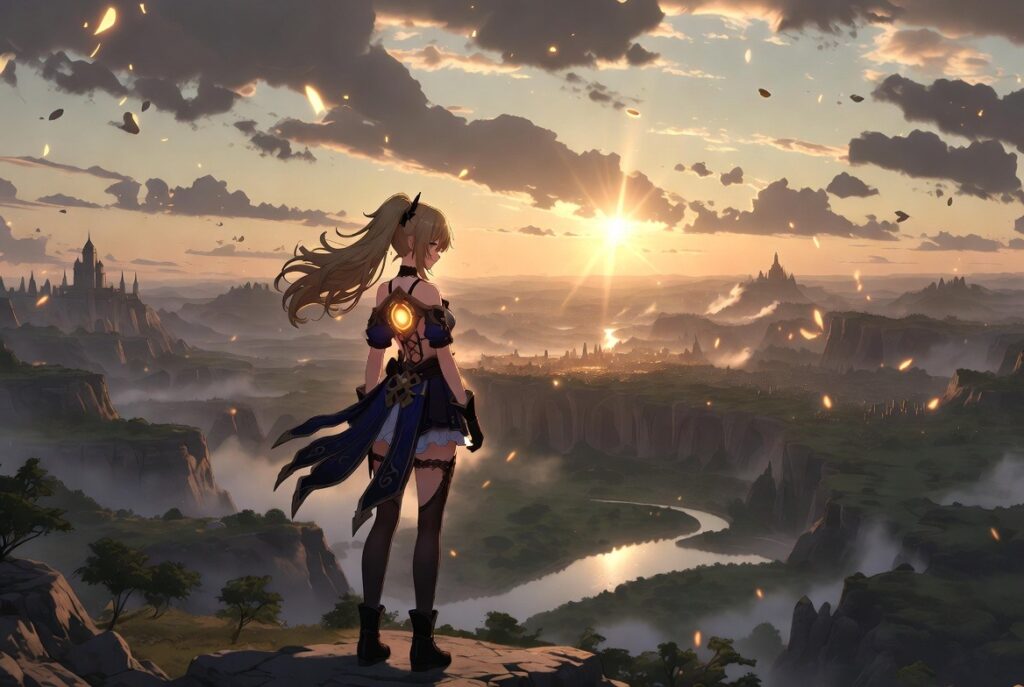
Here’s something a lot of newer players miss: the headline character of a region is often not the one that ages the best.
The first character a region drops gets the most attention and the most pulls. But the second or third character from that same region often ends up being more valuable in the long run.
The classic example is Nahida from Sumeru. She launched late in Sumeru’s run, became a backbone of Dendro teams, and stayed meta-defining for years. Plenty of players who burned through their Primogems on earlier Sumeru characters regretted it once Nahida arrived.
Practical Tips for Region Launch Banners
A few habits that tend to pay off:
- Don’t pull blind on day one. Wait for the first banner phase to play out before you commit.
- Read kit previews and watch beta footage as it becomes available. The community usually spots the best characters early.
- Think three patches ahead. A region’s strongest unit is rarely the one that launches first.
- Hold some Primogems in reserve. Even if you’re set on a character, having backup pulls protects you from bad luck on the pity system.
Comparing the Top-Up Options
If you do decide to spend, here’s a quick comparison to help you think it through:
| Factor | Official Shop | Third-Party Platforms |
| First-purchase bonus | Yes, doubled crystals at each tier | Sometimes, varies by platform |
| Payment methods | Limited to what’s supported in your region | Often more flexible |
| Pricing | Set by regional storefront | Varies by platform |
| Trust and security | Direct from HoYoverse | Depends on the platform’s reputation |
| Speed of delivery | Instant | Usually fast, but check reviews |
Picking a platform should feel like any other digital purchase decision. Reputation, payment flexibility, and effective cost are what matter most.
Why the Region Model Works So Well
In a lot of ways, Genshin’s region launch model is what live service games have been chasing for ten years. It works because it hits a few things at once:
- It delivers real content, not just a couple of new skins or a small event
- It ties content to character releases that actually monetize
- It respects existing accounts by avoiding the kind of power creep that makes old characters useless
- It runs on a sustainable cadence for the studio
- It’s predictable enough that players can plan their savings around it
The next big question is Snezhnaya. The Tsaritsa storyline is expected to come to a head there, and it’ll be the biggest test yet of whether HoYoverse can keep telling stories worth following while introducing characters worth pulling for. Based on the track record so far, the odds look pretty good.
Key Takeaways
Region launches in Genshin Impact are bigger moments than regular patches, and they tend to reshape the meta in ways that affect everyone, not just dedicated players. A guaranteed five-star takes around 28,800 Primogems, so saving across several patches in advance is the most reliable approach. The headline character of a new region isn’t always the best long-term pull either, which is why waiting at least one banner phase before committing tends to pay off.
For players who decide to top up, the choice between the official shop and third-party platforms really comes down to your region, your payment options, and how the effective price works out for you. Holding some Primogems in reserve is almost always smarter than going all-in on day one, since the strongest character from a region often shows up two or three banners after launch. Reading kit previews, watching beta footage, and giving yourself room to adjust will serve you better than chasing the launch hype.