
Slot Game Design Evolution: From Reels to Immersive Video Slots

Key Takeaway: The future is likely to mix classic readability with more interactive, story-driven moments.
Why Slot Design Keeps Changing
Slot games have always been built around one simple moment: the spin and the reveal. Over time, designers have changed the look, sound, and pace of that moment to match new technology and new player expectations. Understanding this evolution makes it easier to spot which modern features truly affect the experience and which are just decoration.
In Short: Slot design has shifted from fixed hardware to flexible software, opening space for deeper themes and interaction.
Mechanical Reels and the Classic Formula
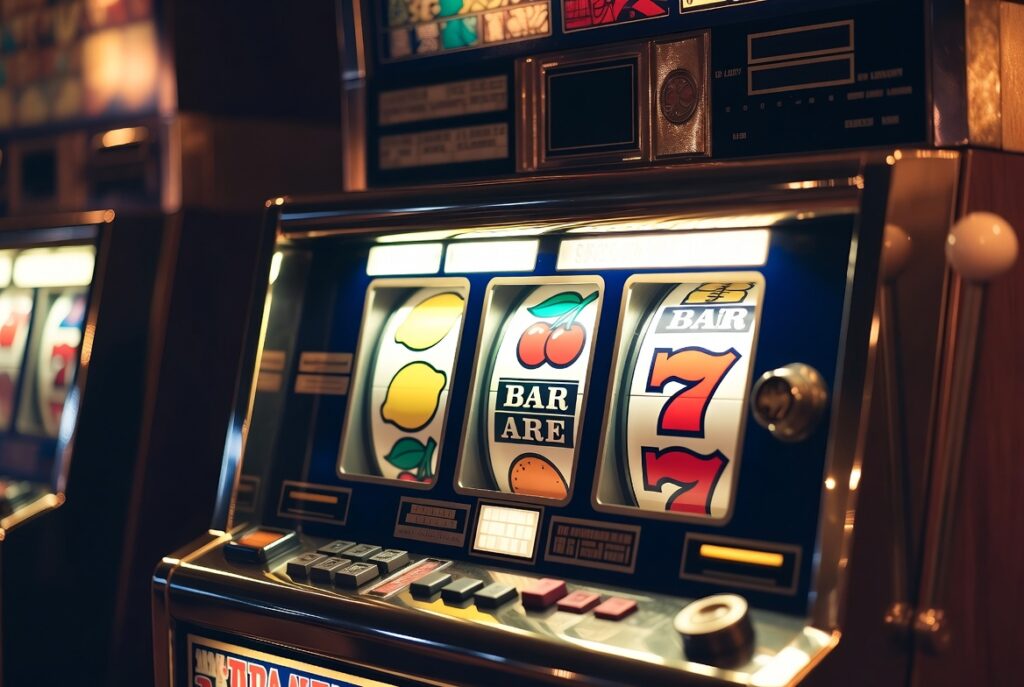
Early machines relied on physical reels, simple symbols, and a familiar pull-and-spin ritual that made outcomes easy to read at a glance. That straightforward style remains available through classic slots online and provides a useful reference point when comparing newer designs. When the visuals stay simple, small changes—like speed, sound, and symbol layout—stand out more clearly.
The earliest cabinets were shaped by strict physical limits. Reel strips could hold only a fixed number of symbols, and every change required new hardware or printed components. Because space was limited, designers concentrated on recognizable icons, strong contrast, and a short sequence of actions. The lever, spinning reels, clicks, and final stop formed a complete rhythm that needed little explanation for someone seeing the machine for the first time.
Mechanical restrictions also created a visual language that continues to influence games. Fruit, bells, bars, and sevens were large enough to recognize quickly and distinct enough to separate on narrow reel windows. Modern developers still use these symbols when they want to suggest simplicity, nostalgia, or a faster pace. Their familiarity lets the interface communicate expectations before a player reads a paytable or opens an information screen.
- Three-Reel Layout: Compact grid that emphasizes the main spin moment.
- Iconic Symbols: Fruit, bells, and bars that are easy to recognize.
- Clear Rhythm: Short animations and immediate results keep pacing brisk.
- Simple Audio Cues: Chimes and clicks reinforce when reels stop.
- Low Visual Clutter: Minimal effects make wins easier to spot.
Electromechanical to Early Video Slots
As electronics entered the cabinet, designers could add lighting, more varied sounds, and smoother reel motion without changing the basic layout. The big shift came when screens replaced physical reels, making it possible to animate symbols, show instructions on demand, and experiment with more complex layouts. This era is where many modern conventions—button controls, on-screen prompts, and flashier transitions—started to become standard.
Electromechanical models formed the bridge between fixed machinery and digital displays. Motors allowed smoother motion, while electrical systems supported brighter lights, counters, and more responsive sounds. These additions increased excitement without changing the central structure. Designers learned how to direct attention with timing: a light could flash before a reel stopped, a tone could mark a result, and a panel could explain a feature without crowding the reels.
Once video screens became standard, layouts were no longer tied to a fixed set of physical components. Developers could introduce extra paylines, expanding symbols, animated transitions, and feature screens inside the same game. That freedom also created a new design problem: too much information could make outcomes harder to understand. Highlighted symbols, short prompts, visible counters, and consistent button positions became essential tools for keeping more complex games readable.
Design Shift: Once reels became software, new features could be added without rebuilding the machine.
Modern Video Slots and Immersive Design
Today’s video slots borrow heavily from video game production, using animation, sound design, and user interface patterns to guide attention. The goal is often immersion: keeping the experience readable while adding drama, story, and interactive moments.
Sound, Motion, and Visual Hierarchy
Immersion works best when sound and motion support the same event. A symbol animation may be paired with a matching audio cue, while a meter fills or a character reacts in the background. Clear visual hierarchy ensures that the result remains more noticeable than decoration. When every object flashes, moves, or makes noise at once, the screen can feel busy. Controlled timing gives important events space and makes repeated spins easier to follow.
Theme, Art, and Storytelling
High-resolution graphics and layered backgrounds let a theme feel like a small world instead of a static picture. Short cut-scenes, character animations, and consistent typography help the game feel coherent from spin to bonus event.
Interactivity and Bonus Features
Bonus rounds can switch the pace by adding simple choices, mini-games, or screen changes that break up repeated spins. Even when outcomes are still driven by randomization, these moments make players feel more involved in what is happening on screen.
Mobile-First Slot Design
Smartphones changed button placement, text size, reel proportions, and the amount of information visible at one time. Controls must be large enough for touch input, symbols must remain clear on smaller displays, and secondary details often move into menus. Responsive layouts may rearrange elements when a device rotates. Faster loading and shorter transitions also matter because mobile sessions are often brief or interrupted, making immediate clarity valuable.
| Era | What the Design Emphasizes |
|---|---|
| Mechanical reels | Readable symbols and a quick reveal |
| Early video | More animation, clearer guidance, and varied layouts |
| Immersive video | Theme cohesion, interactive moments, and cinematic pacing |
How To Compare New Slots With Older Styles
The fastest way to judge a modern slot is to separate theme from mechanics. Look at how information is presented: reel size, symbol clarity, and whether the interface explains special features without clutter. Then consider pacing, including how long animations run and how often the game changes screens.
Classic-style games tend to highlight the core spin, while immersive titles may add layers like missions, collections, or expanding animations. None of these elements are automatically better; they simply change what a session feels like. Picking a style that matches attention span and device size usually matters more than chasing every new effect.
When comparing eras, it helps to judge how efficiently each design communicates. Older games usually keep the reel window stable and make the result visible immediately. Modern titles may provide variety through changing backgrounds, collections, missions, or feature stages. These additions are useful only when they remain understandable. A detailed theme can strengthen engagement, but it should not hide winning symbols, available choices, updated totals, or the reason a bonus has started.
Where Slot Design Appears To Be Headed
As screens, processors, and game engines improve, slot design keeps moving toward richer worlds and smoother interaction, especially on mobile. At the same time, the most successful ideas often circle back to clarity: players still want to understand what just happened and why. The best modern games balance spectacle with readable symbols, consistent rules, and sound cues that reinforce the result.
Future designs will probably combine richer presentation with more adaptable interfaces. Improved processors can support smoother animation, detailed worlds, and seamless transitions, while accessibility settings may offer adjustable speeds, clearer contrast, or simplified effects. Even so, the strongest games will continue to follow classic principles. Players still need readable symbols, consistent rules, and clear feedback. Technology can expand the experience, but the central spin must remain easy to understand.
Key Takeaway: The future is likely to mix classic readability with more interactive, story-driven moments.