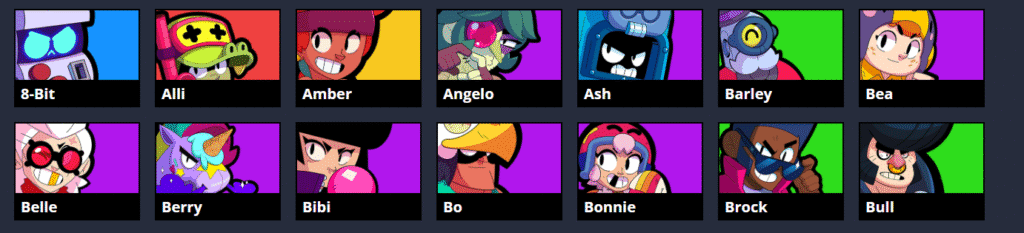
Brawl Stars is Supercell’s fast-paced 3v3 and battle-royale mobile arena game, and it remains one of the most-played mobile titles among kids and teens worldwide. Matches last just two to three minutes, the violence is cartoonish rather than graphic, and the game now spans 106+ colorful “Brawlers” across team objectives, solo showdowns, and story events. This 2026 guide updates our safety breakdown with current age ratings, the latest guidance from Common Sense Media, Qustodio, and Bark, and clear, practical steps for setting boundaries — so parents get a straight answer without needing to become a Brawl Stars expert themselves.
Generally safe with active supervision. Brawl Stars has no open voice chat and no graphic violence, which puts it below higher-risk titles like Roblox or Call of Duty Mobile — but in-app spending pressure and match-to-match “just one more” design mean unmanaged screen time and purchases are the real risk, not the game’s content itself.
What is Brawl Stars, really?
Brawl Stars is a top-down arena brawler in which players control a “Brawler” and battle in short, objective-based matches — collecting gems, scoring goals, escorting a safe, or simply being the last one standing. There’s no realistic blood or gore; defeated characters flash and disappear with a cartoon animation. Progression is built around unlocking new Brawlers and cosmetic skins, and the game has no built-in voice chat, relying instead on pre-set pins, emotes, and short text messages in team and club chats.
Official age ratings
Age ratings for Brawl Stars vary by platform and region, and none of them fully line up with how young the average player actually is — so it’s worth checking all three before deciding what’s right for your child.
Supercell’s own Terms of Service require players to be at least 13, but age verification at sign-up is minimal, and industry monitoring data from parental control apps like Qustodio consistently shows children as young as 7–8 playing regularly. In practice, the store ratings are a better real-world guide than the Terms of Service age requirement.
Is Brawl Stars safe for children?
Brawl Stars is generally considered safer than many competing online multiplayer games because it has no open voice chat, filtered text chat, and a reporting system for inappropriate behavior. That said, safety isn’t only about technical filters — a child who plays without time limits or emotional support around losses can still become overly attached, frustrated, or fixated on winning. The table below breaks down where the real risk sits and what actually helps.
| Risk area | Details | What helps |
|---|---|---|
| Violence | Cartoon “elimination” animations; no blood, gore, or realism. | Frame it as fantasy; watch for emotional reactions to losses rather than the visuals themselves. |
| Chat & strangers | Text chat exists in clubs (group chats) and teams; filtered but imperfect. No voice chat reduces exposure significantly. | Disable club chat where possible, teach the report button, avoid joining random public clubs. |
| Grooming risk | Clubs can function like informal chat rooms; rare but reported cases of inappropriate contact exist across mobile games generally. | Use device-level chat blocks for younger kids; talk openly about not sharing personal details. |
| Addiction potential | Short matches plus frequent rewards create a “just one more” loop; the game has no built-in time limit. | Set a daily cap through device tools rather than relying on the child to self-regulate. |
| In-app purchases | Gems, skins, and Brawl Pass tiers range from roughly $1 to $100+, with frequent purchase prompts. | Disable purchases at the device level — this is the single most effective fix. |
Does Brawl Stars cause addiction?
It can, particularly for younger players. The core loop — short matches, frequent rewards, visible leaderboards and seasonal events — uses the same engagement mechanics found in games like Fortnite. Parent reviews on Common Sense Media regularly describe the game as “highly addictive,” and irritability around screen-time limits is one of the most commonly reported friction points.
Pros and cons for child development
Played in moderation — the American Academy of Pediatrics generally recommends under two hours of recreational screen time per day for ages 5–18 — Brawl Stars offers some genuine developmental upsides alongside its risks.
How to control screen time and spending
Most of the real risk in Brawl Stars comes down to two settings most parents haven’t touched yet: purchase permissions and time limits. Here’s how to lock both down properly.
- Disable in-app purchases (iOS): Settings → Screen Time → Content & Privacy Restrictions → iTunes & App Store Purchases → In-App Purchases → set to Don’t Allow.
- Disable in-app purchases (Android): Open Google Play → Profile → Payments & subscriptions → Budget & history → set up parental controls and require authentication for every purchase.
- Set a daily time cap: use Screen Time (iOS) or Google Family Link (Android) to limit Brawl Stars specifically, and schedule downtime hours such as no gaming after a set evening cutoff.
- Manage chat exposure: encourage solo modes or playing only with known friends, and leave or avoid joining random public clubs.
- Turn spending into a lesson: talk through the difference between cosmetic purchases and actual skill — “skins don’t win matches” is a genuinely accurate, teachable point.
Turning frustration into growth
Losses sting, especially for competitive kids — but that friction is also a coaching opportunity. Asking “what could we try differently next time?” and celebrating effort over trophy count builds resilience that transfers well beyond the game. Parents who occasionally play alongside their kids often report a clearer picture of what’s actually happening online, plus a stronger day-to-day connection.
Age-by-age verdict
| Age range | Recommendation |
|---|---|
| Under 10 | Heavy supervision required, or consider delaying until older — this age group needs active involvement, not just device settings. |
| 10–13 | Moderate time limits plus regular, open conversations about spending and in-game chat. |
| 14+ | More independence is reasonable, but purchases and chat activity are still worth periodic check-ins. |
Related reads on pinkcrow.net
FAQ
What age rating does Brawl Stars have?
Brawl Stars is rated 9+ on the App Store, commonly Everyone 10+ on Google Play depending on region, and PEGI 7 in Europe, while Supercell’s own Terms of Service require players to be 13 or older.
Does Brawl Stars have voice chat?
No — Brawl Stars has no open voice chat. Communication is limited to pre-set pins, emotes, and filtered text chat within teams and clubs.
Can kids talk to strangers in Brawl Stars?
Yes, through club and team text chat, which is filtered but not foolproof — supervision, private clubs, and disabling chat for younger players meaningfully reduce this risk.
Is Brawl Stars pay-to-win?
Brawl Stars is not fully pay-to-win — purchases are largely cosmetic or time-saving rather than granting decisive competitive advantages, though spending prompts can still create pressure on younger players.
How do I stop my child from spending money in Brawl Stars?
Disable in-app purchases at the device level through iOS Screen Time or Google Play’s parental controls — this is more reliable than relying on in-game settings alone.