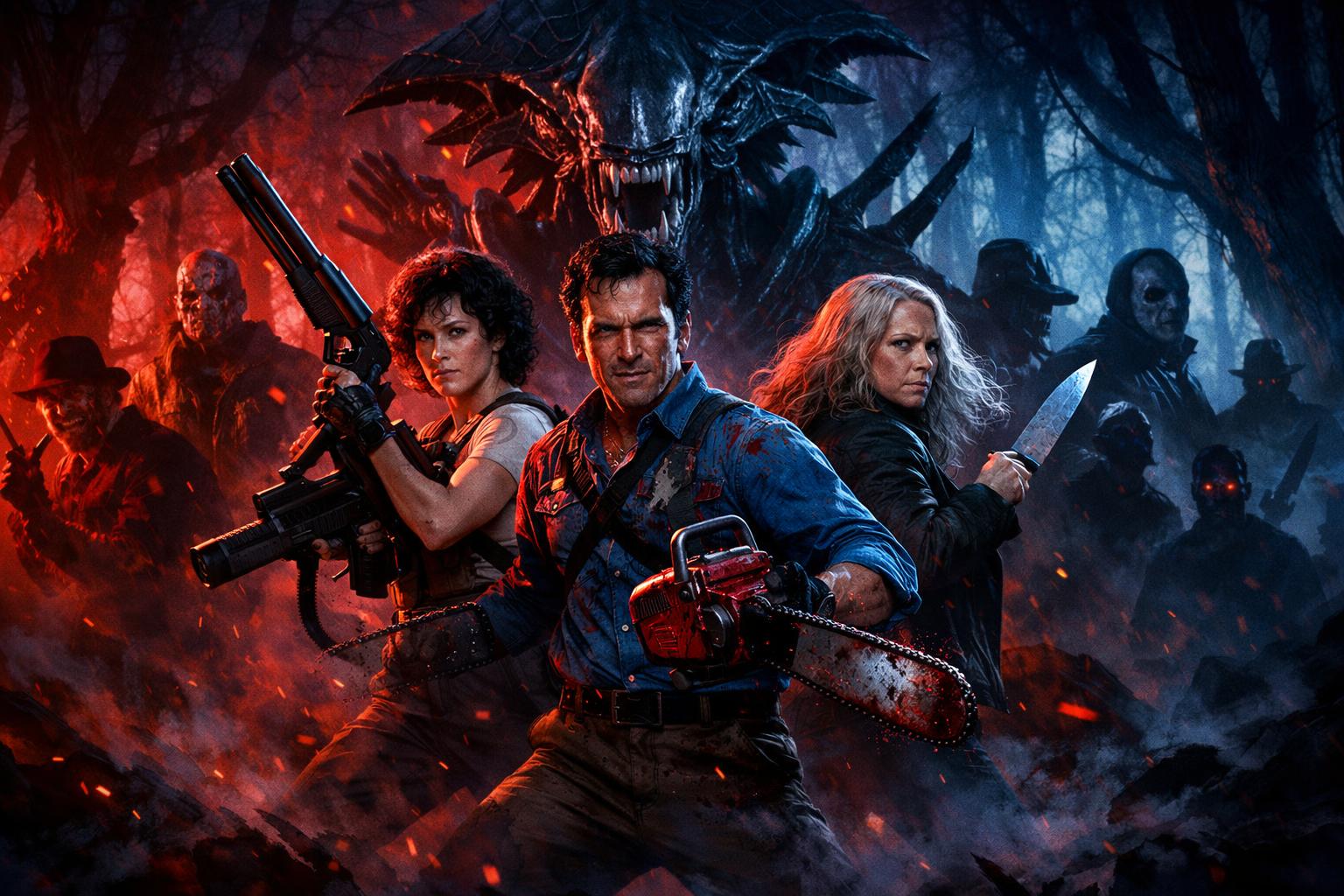
Horror movies throw ordinary women into absolute nightmares, but some just refuse to go down. These female horror movie characters who survive — the classic “final girls” and beyond — aren’t waiting for rescue. They fight, think fast, and outlast everything from masked killers to space monsters. It’s that grit that makes them stick in your head years later.
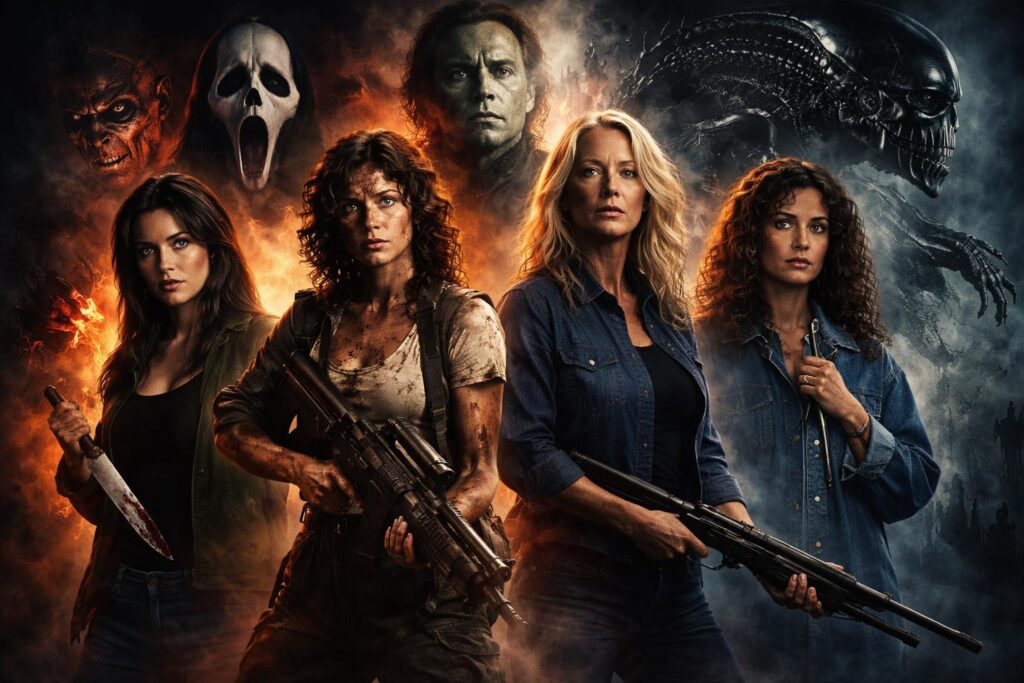
The trope kicked off in the ’70s and ’80s, where survivors were often the “good” ones who avoided partying too hard. But they’ve evolved a ton — now they’re resourceful, traumatized, and sometimes straight-up warriors. Let’s break down some of the toughest ones and why they keep coming out on top.
The Evolution of the “Final Girl” Trope
What is a Final Girl?
The term “final girl” was coined by film scholar Carol Clover in her 1992 book Men, Women, and Chainsaws. She identified a pattern in slasher films: the last person standing is typically a young woman who witnesses her friends’ deaths and ultimately confronts the killer.
Classic Final Girl Traits (1970s-1980s):
- Often named with gender-neutral or traditionally masculine names (Laurie, Sidney, Ripley)
- More morally “pure” than her friends—doesn’t drink, smoke, or have sex
- Resourceful and intelligent rather than physically powerful
- Adopts the killer’s weapons to fight back (Leatherface’s chainsaw, Freddy’s dream logic)
- Represents both victim and hero
The Evolution Through Decades
1970s-1980s: The Birth Characters like Laurie Strode and Sally Hardesty survived through wit and determination. They were reactive—running and hiding until forced to fight.
1990s: The Meta-Awareness Sidney Prescott in Scream knew the horror movie rules and used them to survive. The final girl became self-aware and proactive.
2000s-2010s: The Fighter Characters started as warriors, not victims. Ellen Ripley’s influence created final girls who grabbed weapons immediately rather than as a last resort.
2020s: The Trauma Survivor Modern final girls process trauma, mental health struggles, and complex emotional landscapes. They’re not just physically surviving—they’re psychologically enduring.
The 15 Most Iconic Female Horror Characters
1. Ellen Ripley – Alien Franchise (1979-1997)
Portrayed by: Sigourney Weaver
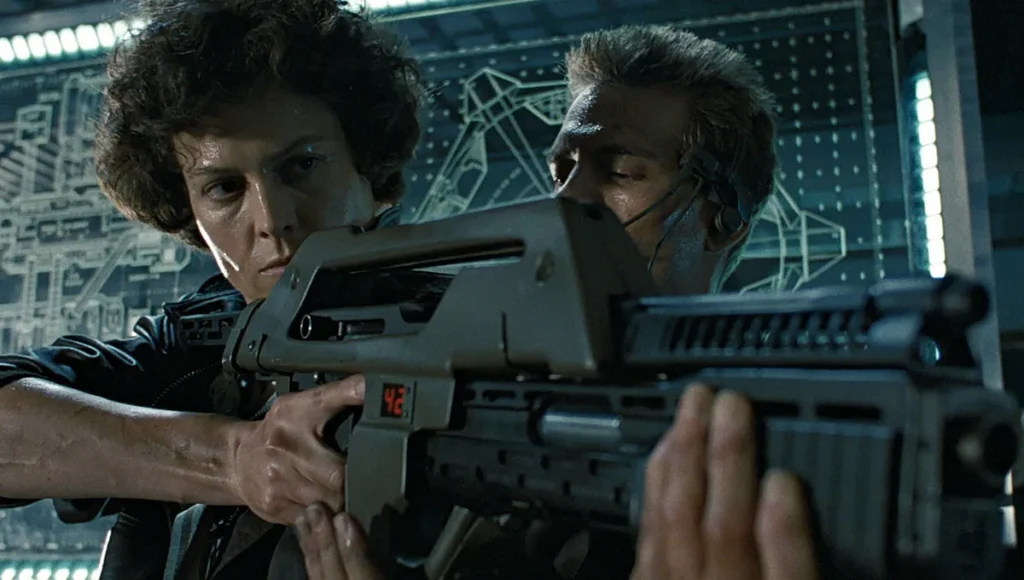
Character Arc: Ripley begins as a warrant officer on a commercial spaceship—competent but ordinary. After her crew encounters the Xenomorph, she’s the sole survivor through intelligence and adherence to quarantine protocols. Over four films, she transforms from survivor to warrior, ultimately sacrificing herself to prevent the alien species from spreading.
Why She’s Legendary: Ripley shattered the damsel-in-distress stereotype. She wasn’t waiting for rescue—she became the rescuer. Her character proved that female action heroes could carry blockbuster franchises without sexualization or diminishment.
Character Development:
- Alien (1979): Ordinary crew member who survives through rules and logic
- Aliens (1986): Returns as traumatized survivor who becomes surrogate mother and warrior
- Alien 3 (1992): Shaved head, prison planet, accepting her fate
- Alien Resurrection (1997): Cloned with alien DNA, questioning her humanity
Behind the Scenes: The character was written as gender-neutral—”Ripley” could have been male or female. Sigourney Weaver’s casting created one of cinema’s most influential female characters. She performed many of her own stunts and advocated for Ripley’s complexity throughout the franchise.
Cultural Impact: Ripley consistently ranks as one of the greatest film characters of all time, not just in horror. She influenced every action heroine that followed, from Sarah Connor to Furiosa.
Resonance: Women see themselves in Ripley’s competence and refusal to be dismissed. She represents professional excellence, maternal fierceness, and the refusal to give up even when facing impossible odds.
2. Laurie Strode – Halloween Franchise (1978-2022)
Portrayed by: Jamie Lee Curtis

Character Arc: From teenage babysitter to traumatized survivor to vengeful grandmother, Laurie’s journey spans 44 years across multiple timelines. Each version explores different aspects of survivorship and the cost of surviving evil.
Evolution Across Timelines:
Original Timeline (1978-1998):
- Halloween (1978): Innocent babysitter who survives Michael Myers
- Halloween II (1981): Revealed as Michael’s sister (later retconned)
- Halloween H20 (1998): Living under assumed identity, finally confronts her trauma
Current Timeline (2018-2022):
- Halloween (2018): Prepared survivalist, estranged from family due to paranoia
- Halloween Kills (2021): Leading community resistance against Michael
- Halloween Ends (2022): Attempting to move past trauma and reclaim life
Why She Defined the Final Girl: Laurie was the template. Her survival wasn’t about luck—it was about determination. Jamie Lee Curtis’s performance balanced vulnerability with steel determination.
Behind the Scenes: Jamie Lee Curtis earned $8,000 for the original film. She’s called Laurie “the role of my lifetime” and returned to the character specifically to explore aging, trauma, and healing in the modern trilogy.
The Scream That Launched a Career: Curtis became known as the “Scream Queen” after Halloween, starring in The Fog, Prom Night, and Terror Train shortly after.
Resonance: Laurie represents the long-term effects of trauma. Modern films show her PTSD, fractured family relationships, and the question: Can you ever truly heal after encountering pure evil? Her arc validates survivors who struggle decades later.
3. Sidney Prescott – Scream Franchise (1996-2023)
Portrayed by: Neve Campbell
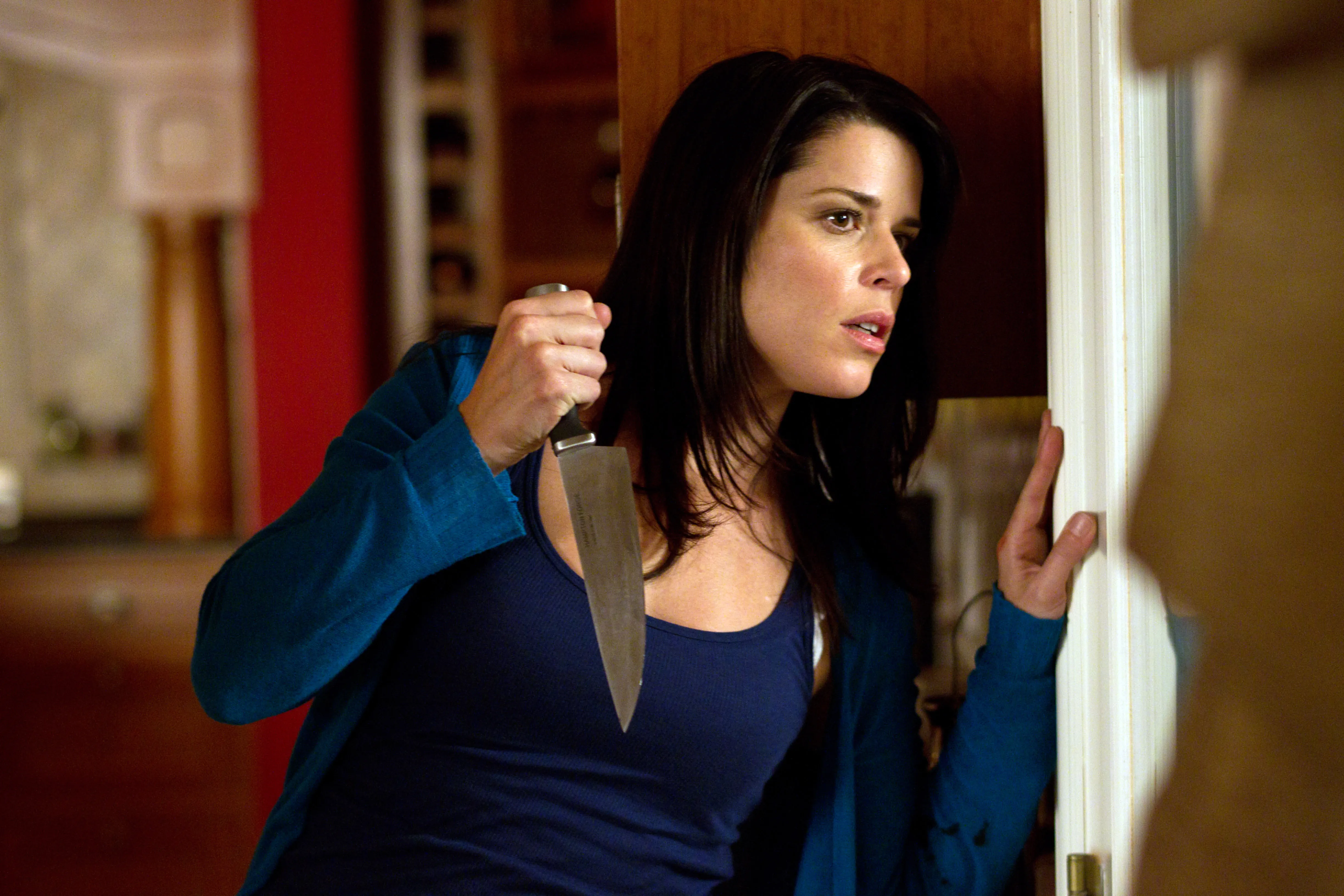
Character Arc: Sidney’s mother was murdered a year before the first film. Throughout six movies spanning 27 years, she faces different “Ghostface” killers—all connected to her mother’s death or seeking fame by targeting her.
Why She Revolutionized the Trope: Sidney knows the horror movie rules. She questions suspicious behavior, doesn’t trust anyone completely, and actively investigates rather than just reacting. Her meta-awareness made her the smartest final girl.
Key Character Moments:
- Film 1: “Not in my movie!” – Takes control of her own narrative
- Film 2: Attends college, discovers her mother’s past
- Film 3: Faces the trilogy’s conclusion, questions if violence will follow her forever
- Film 4: Returns home as survivor/author, faces new generation
- Film 5: Mentor to new victims, passing the torch
- Film 6: (Scream VI, 2023) – Appeared briefly, symbolically passing final girl status
Intelligence Over Strength: Sidney uses guns when available, sets traps, calls for help, and doesn’t make classic horror mistakes. She survives through preparation and awareness.
Behind the Scenes: Neve Campbell trained in self-defense for the role and performed many of her own stunts. She negotiated equal pay for the sequels and walked away from Scream VI when offered significantly less than male co-stars, demonstrating Sidney’s strength in real life.
Resonance: Sidney represents agency—refusing to be a passive victim, questioning authority, and surviving through intelligence. She validated audiences who yelled at screens, “Don’t go in there!”
4. Carrie White – Carrie (1976, 2013)
Portrayed by: Sissy Spacek (1976), Chloë Grace Moretz (2013)

Character Arc: Carrie is the ultimate victim-turned-villain. Relentlessly bullied at school and abused by her religious fanatic mother, she possesses telekinetic powers that manifest violently when she’s pushed too far.
Why She’s Complex: Carrie isn’t a traditional villain or hero—she’s a tragedy. Her prom massacre is both horrifying and cathartic for anyone who’s been bullied. Stephen King’s first published novel created horror’s most famous revenge story.
The Prom Scene: Covered in pig’s blood during her moment of acceptance, Carrie snaps. She locks the gymnasium doors and unleashes her powers, killing nearly everyone. The scene plays as both horror and painful empathy.
Dual Nature:
- Victim: Abused, mocked, isolated, desperate for connection
- Monster: Her revenge is disproportionate, killing innocent people alongside tormentors
Behind the Scenes: Sissy Spacek slept in the blood-covered prom dress the night before filming to make the trauma feel real. The blood was actually Karo syrup mixed with food coloring. The bucket drop was timed to the second—one take only.
Cultural Impact: “Carrie” became shorthand for bullying revenge fantasies. The name evokes both sympathy and fear. The film explored telekinesis as metaphor for puberty, power, and the rage of the powerless.
Resonance: Anyone who’s been bullied sees themselves in Carrie. She represents the fantasy of fighting back, but also the warning about becoming the monster yourself. Her story asks: How much abuse justifies revenge?
5. Annie Wilkes – Misery (1990)
Portrayed by: Kathy Bates
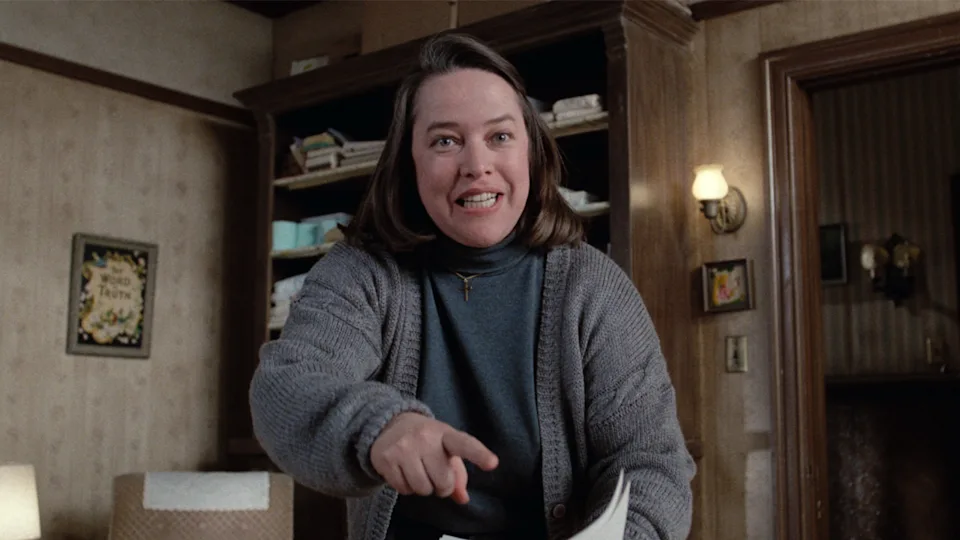
Character Arc: Annie rescues her favorite author, Paul Sheldon, from a car crash—then holds him hostage when she learns he’s killed off her beloved character. She’s a superfan turned captor, forcing him to rewrite the ending.
Why She’s Terrifying: Annie seems nurturing at first—bringing food, caring for injuries. But her mood swings, obsession, and capacity for violence make her unpredictable. She represents fandom gone toxic decades before social media amplified it.
The Hobbling Scene: Annie breaks Paul’s ankles with a sledgehammer to prevent escape. The scene is infamous for its brutal matter-of-fact execution and Kathy Bates’s chilling calm.
Oscar-Winning Performance: Kathy Bates won Best Actress—rare for horror. Her portrayal balanced folksy warmth with explosive rage, creating a character both human and monstrous.
Behind the Scenes: Stephen King based Annie on his own fears about obsessive fans. Kathy Bates researched personality disorders and practiced switching between moods instantly. Director Rob Reiner wanted the violence grounded in reality, not theatrical.
Resonance: In the age of social media, Annie feels prophetic. She represents parasocial relationships, fan entitlement, and the dark side of celebrity worship. Her line “I’m your number one fan” became an ominous cultural reference.
6. Nancy Thompson – A Nightmare on Elm Street (1984)
Portrayed by: Heather Langenkamp
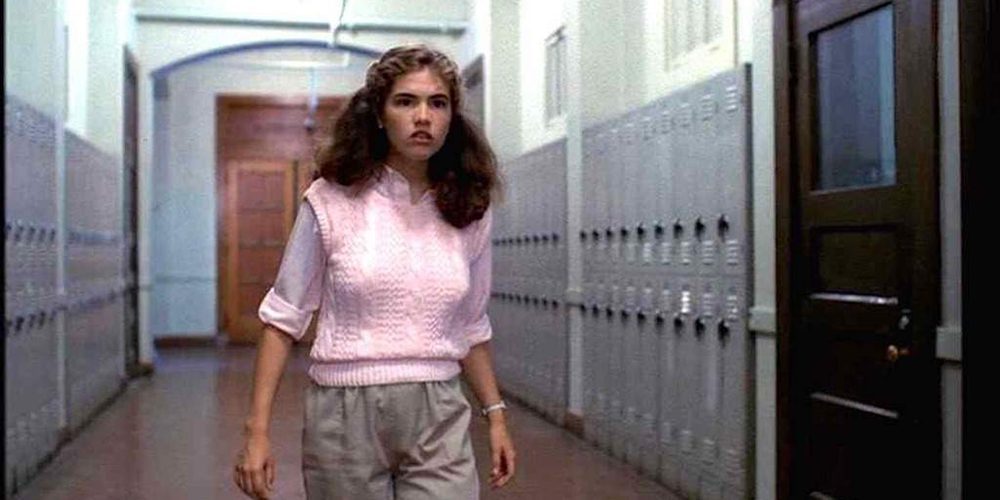
Character Arc: When her friends start dying in their sleep, Nancy realizes Freddy Krueger is killing them in dreams. Unlike typical final girls who run, Nancy researches sleep deprivation, sets elaborate traps, and learns to control her fear.
The Turning Point: Nancy’s final confrontation isn’t about overpowering Freddy—it’s about taking away his power. She turns her back on him, declaring he’s not real, which weakens him. She fights with knowledge, not weapons.
Resourcefulness:
- Stays awake with coffee and adrenaline
- Rigs her house with booby traps
- Studies dream psychology
- Uses Freddy’s arrogance against him
Behind the Scenes: Heather Langenkamp became so associated with Nancy that Wes Craven brought her back for Wes Craven’s New Nightmare (1994), where she played herself being haunted by Freddy in the “real world.”
The Sleep Deprivation: To look genuinely exhausted, Langenkamp stayed awake as long as safely possible during filming. The dark circles under her eyes are real.
Resonance: Nancy validated preparation and intelligence over physical combat. She studied her enemy, planned methodically, and fought back using her mind. She’s the final girl who did her homework.
7. Clarice Starling – The Silence of the Lambs (1991)
Portrayed by: Jodie Foster
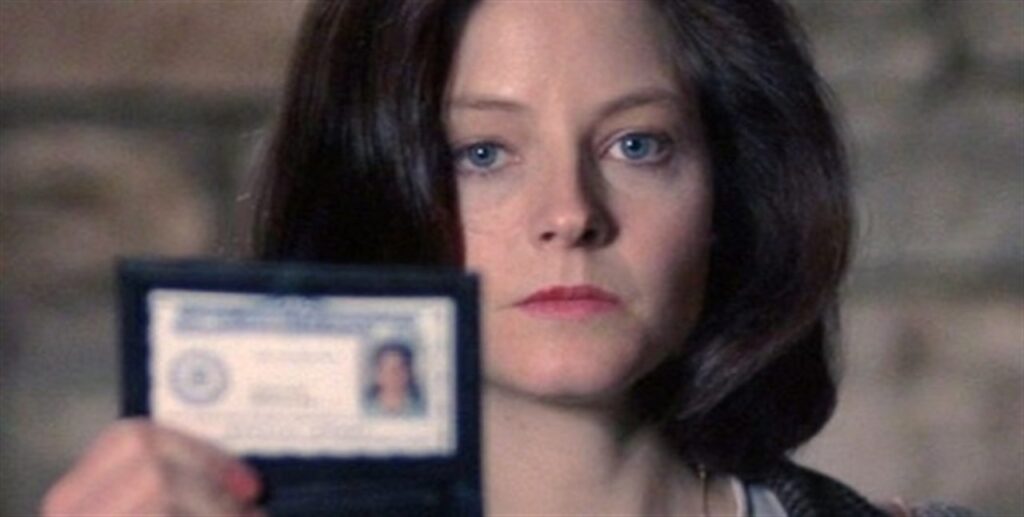
Character Arc: FBI trainee Clarice is assigned to interview cannibalistic psychiatrist Hannibal Lecter for insight into catching another serial killer. She must navigate Lecter’s mind games while proving herself in a male-dominated field.
Dual Challenges:
- External: Catching Buffalo Bill before he kills again
- Internal: Proving her worth despite constant condescension and sexism
The Lambs: Clarice’s traumatic childhood memory of trying to save lambs from slaughter becomes a metaphor for her drive to save victims. Lecter exploits this vulnerability while also respecting her courage.
Why She’s Iconic: Clarice isn’t fighting a supernatural monster—she’s outthinking human evil while facing institutional sexism. Her intelligence, determination, and ability to see patterns save lives.
Behind the Scenes: Jodie Foster won her second Oscar for the role. She met with FBI agents and visited Quantico to understand the psychology and training. The famous “quid pro quo” scenes were shot with Foster and Anthony Hopkins improvising reactions.
The Basement Scene: Armed with only a pistol in complete darkness while Buffalo Bill wears night vision goggles, Clarice’s terror feels visceral. Her survival comes from staying calm under impossible pressure.
Resonance: Clarice represents women in male-dominated professions, constantly proving competence while being underestimated. Her professionalism in the face of both Lecter’s manipulation and workplace sexism makes her inspirational beyond horror.
8. Rosemary Woodhouse – Rosemary’s Baby (1968)
Portrayed by: Mia Farrow
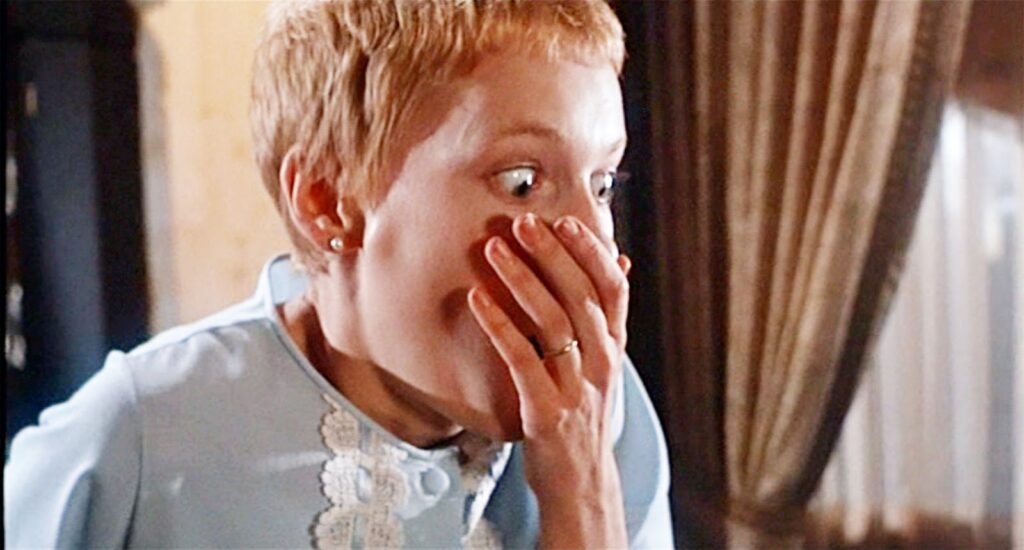
Character Arc: Pregnant Rosemary slowly realizes her husband has made a deal with a Satanic cult—they want her baby. Her journey is gaslighting, paranoia, and the horror of losing bodily autonomy.
Psychological Horror: Is Rosemary paranoid, or is there really a conspiracy? The film plays with perception, making audiences question reality alongside her. When the truth is revealed, it’s more horrifying than the uncertainty.
Loss of Control: Pregnancy already involves surrendering bodily control. Rosemary’s body is literally used by others for their purposes—a horror that resonates on multiple levels.
Behind the Scenes: Mia Farrow lost significant weight for the role to appear increasingly frail. Director Roman Polanski wanted genuine exhaustion and fear, pushing her physically and emotionally.
Cultural Impact: Rosemary’s Baby pioneered psychological horror over gore. It influenced films like The Omen and explored reproductive horror that later appeared in The Handmaid’s Tale.
Resonance: The film’s themes of bodily autonomy, gaslighting, and women not being believed about their own experiences feel disturbingly contemporary. Rosemary’s story validates women’s instincts when everyone dismisses them.
9. Thomasin – The Witch (2015)
Portrayed by: Anya Taylor-Joy
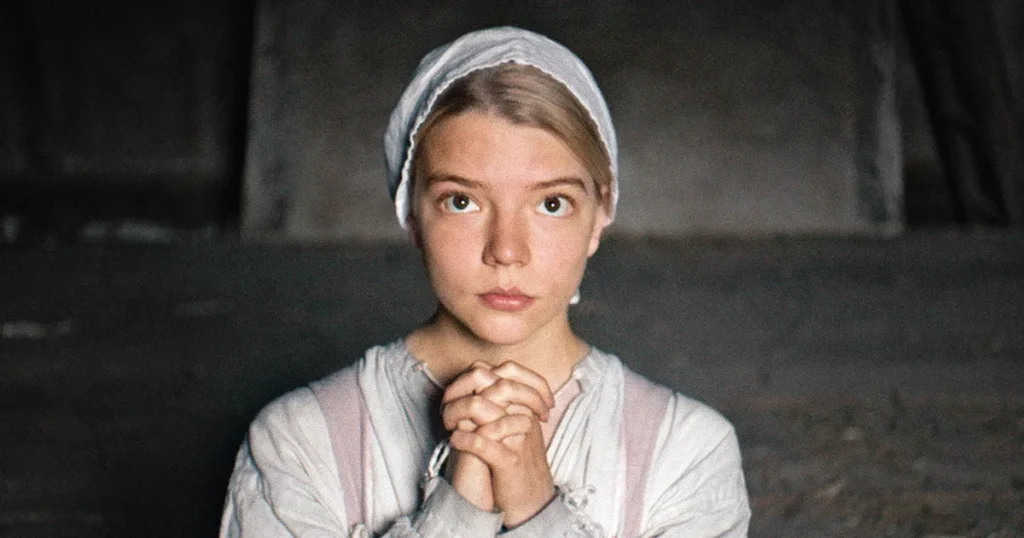
Character Arc: In 1630s New England, teenage Thomasin’s family accuses her of witchcraft after mysterious events. By film’s end, she embraces the dark powers, asking, “Wouldst thou like to live deliciously?”
The Transformation: Thomasin starts as devout daughter trying to be good. After losing everything—family, faith, future—she chooses power and freedom over suffering and restriction.
Why It’s Powerful: The film reframes witchcraft as liberation from patriarchal religious oppression. Thomasin’s final choice is both terrifying and triumphant.
Period Accuracy: The film uses actual 17th-century dialogue from court documents and personal accounts. This authenticity makes the supernatural elements more unsettling.
Behind the Scenes: Anya Taylor-Joy’s breakthrough role launched her career. She learned period speech patterns and embodied Puritan repression slowly cracking. The final scene with Black Phillip was filmed with a real goat trained to appear menacing.
Resonance: Modern audiences read Thomasin’s choice as feminist rebellion—rejecting a system designed to oppress her. The witch becomes not a monster, but a woman choosing autonomy over submission.
10. Sadako Yamamura / Samara Morgan – Ring/The Ring (1998/2002)
Portrayed by: Daveigh Chase (American version)
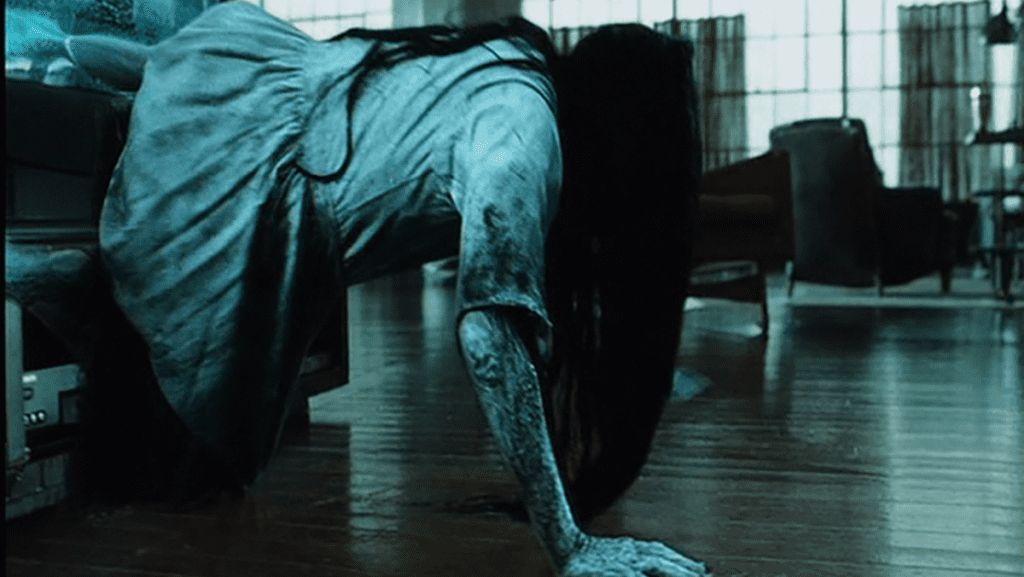
Character Arc: Sadako (Japanese) / Samara (American) was a psychic child murdered and thrown down a well. Her rage created a cursed videotape—watch it, and you die in seven days unless you copy and show it to someone else.
The Curse Mechanism: The tape spreads like a virus, forcing victims to victimize others to survive. This makes everyone complicit in spreading death.
The Iconic Crawl: Samara emerging from the well, then crawling out of a TV screen with jerky, insect-like movements remains one of horror’s most imitated images.
Behind the Scenes: Actress Daveigh Chase studied how animals move to create Samara’s unnatural crawling. She practiced walking backward so footage could be reversed for even more disturbing motion.
The wet, stringy hair was practical—Chase wore a wig soaked in water and hair product. The eye effect showing through the hair was contact lenses and specific lighting.
Cultural Impact: The Ring brought J-horror to mainstream American audiences, launching a wave of American remakes. The cursed videotape concept predated viral videos but feels prescient about how media spreads uncontrollably.
Resonance: Samara represents vengeance for abandoned children and the impossibility of containing information once released. Her curse also explores moral compromise—will you kill someone else to save yourself?
11. Pearl – Pearl (2022) & X (2022)
Portrayed by: Mia Goth
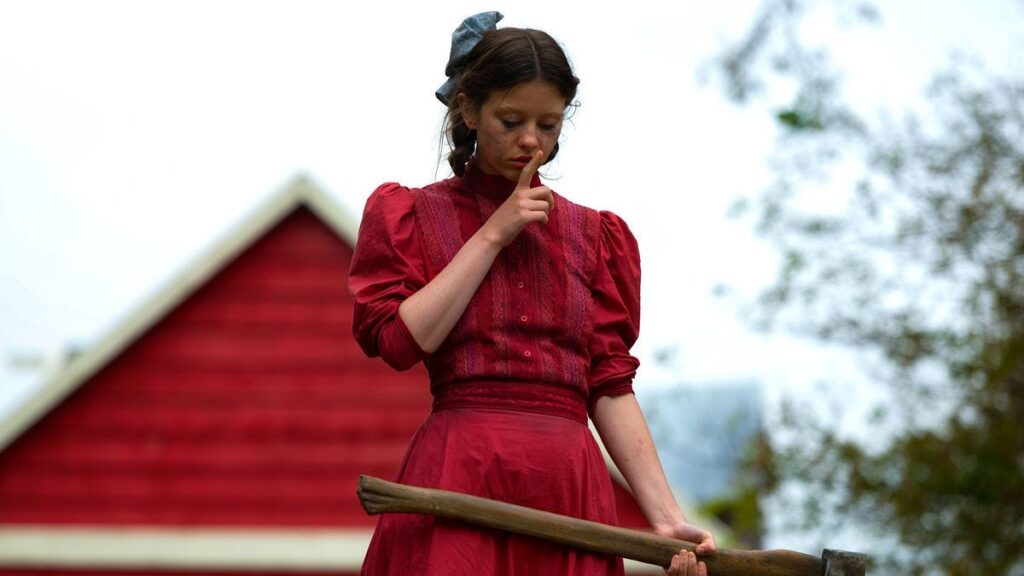
Character Arc: Young woman trapped on a farm during the 1918 flu pandemic dreams of Hollywood stardom but snaps into homicidal rage. Pearl is a prequel to X, where she appears as an elderly woman still violent and disturbed.
The Smile: Pearl’s forced, manic smile held for over three minutes in the film’s climax is disturbing and heartbreaking—desperation for approval literally frozen on her face.
Why She Resonates: Pearl wants fame, beauty, and escape from mundane life. Her violent breakdown explores toxic ambition and the price of unfulfilled dreams.
Behind the Scenes: Mia Goth co-wrote the screenplay with director Ti West. She maintained the extended smile until her face cramped painfully—the discomfort is visible and intentional. Goth played both young Pearl and elderly Pearl (in X), requiring extensive prosthetics for the latter. The films explore beauty, aging, and female rage across 60 years.
Modern Horror Icon: Pearl’s instantly became a meme sensation and Halloween costume. Her Technicolor aesthetic and unhinged energy captured Gen-Z horror fans.
Resonance: Pearl speaks to the pressure to perform happiness, influencer culture, and the rage of unfulfilled potential. She’s tragic and terrifying in equal measure.
12. Jennifer Check – Jennifer’s Body (2009)
Portrayed by: Megan Fox
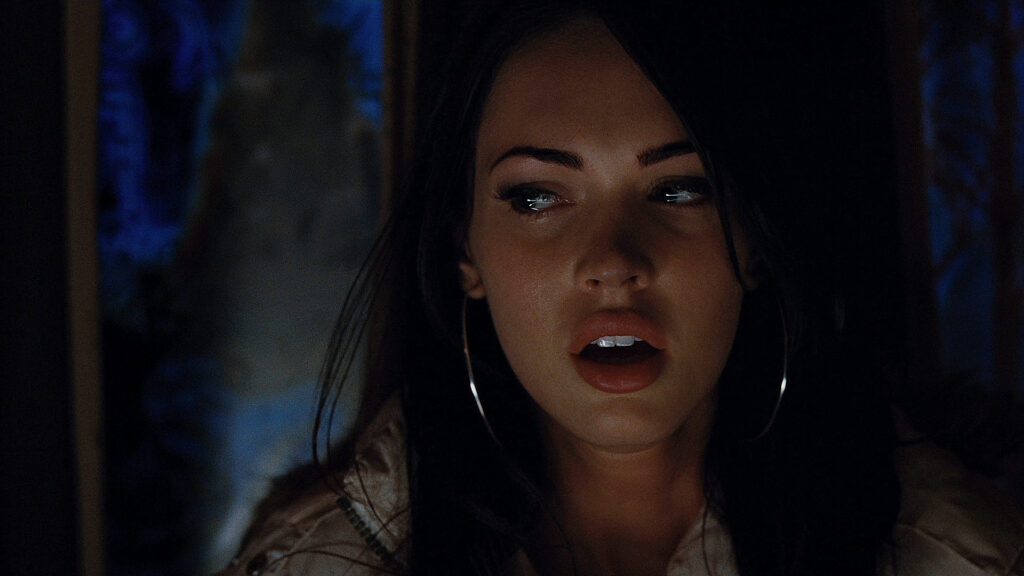
Character Arc: After a demonic sacrifice gone wrong, popular cheerleader Jennifer becomes a succubus who seduces and kills boys. Her best friend Needy must stop her while processing their complicated relationship.
Initial Reception vs. Revival: Originally mismarketed and dismissed, Jennifer’s Body found new appreciation in the 2010s-2020s for its feminist themes, queer subtext, and commentary on female friendship.
Themes:
- Commodification of female bodies
- Toxic friendship dynamics
- Female rage as supernatural power
- Bisexuality and desire
Diablo Cody’s Script: Oscar-winning screenwriter Diablo Cody created deliberately stylized dialogue that became iconic: “I go both ways,” “PMS isn’t real, Needy. It was invented by the boy-run pharmaceutical industry to make you think you’re crazy.”
Behind the Scenes: Megan Fox and Amanda Seyfried’s kiss was cut to maintain an R-rating instead of NC-17, demonstrating the double standard in depicting female vs. male sexuality.
Resonance: Modern audiences recognize the film’s satire of how society treats attractive women—simultaneously elevated and objectified. Jennifer’s demon possession becomes a metaphor for weaponizing sexuality.
Modern Final Girls & Villains (2020s)
Maxine Minx – X (2022), MaXXXine (2024)
Portrayed by: Mia Goth
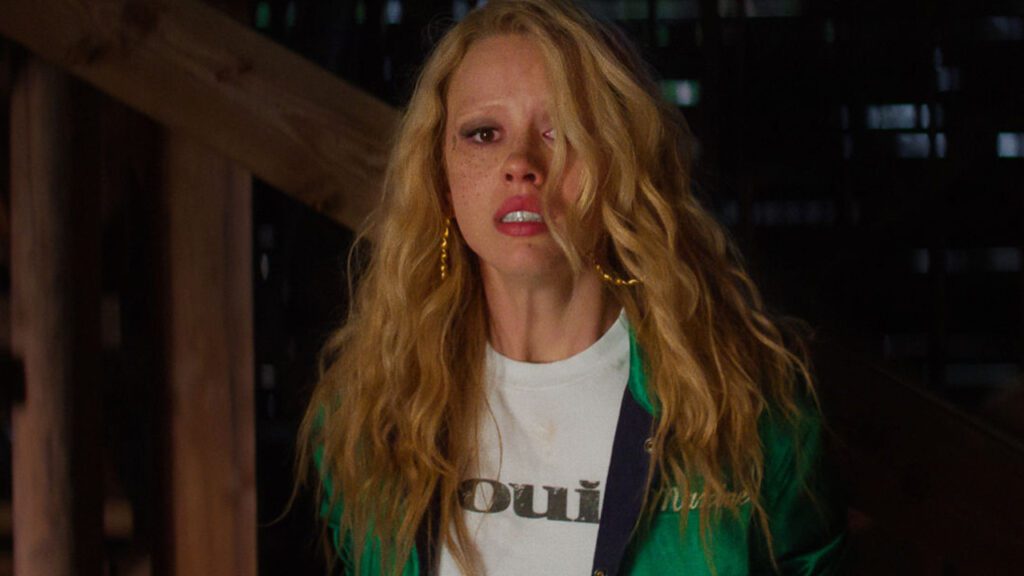
Adult film actress determined to become famous “by any means necessary.” Maxine survives the massacre in X and pursues Hollywood stardom in the 1980s-set sequel. She represents ruthless ambition and survival instinct without moral restriction.
Why She’s Different: Maxine isn’t morally pure or traditionally sympathetic—she’s selfish, calculating, and willing to step over bodies (literally) to succeed.
Harper Marlowe – Men (2022)
Portrayed by: Jessie Buckley
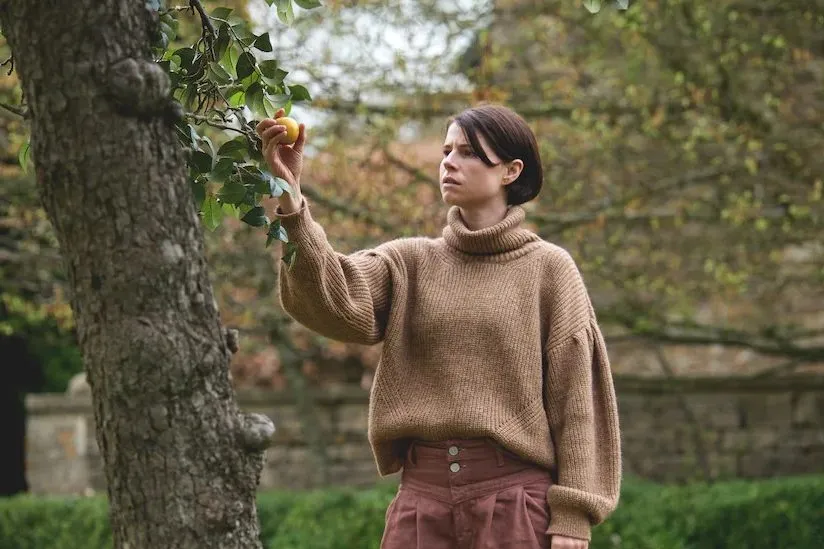
After her husband’s death (possibly suicide after she asked for divorce), Harper retreats to countryside England and encounters increasingly disturbing manifestations of toxic masculinity—all played by the same actor.
Themes: Explores grief, male violence, gaslighting, and the inescapability of patriarchal harm.
Dani Ardor – Midsommar (2019)
Portrayed by: Florence Pugh
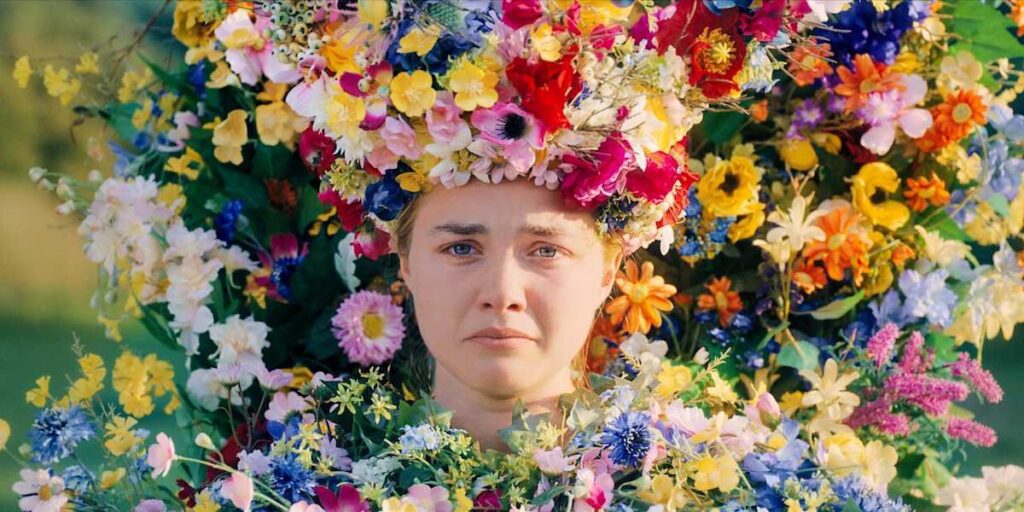
After family tragedy, Dani joins her emotionally distant boyfriend’s trip to Swedish midsummer festival. The cult offers the emotional support her boyfriend never did, even as horrific rituals unfold.
The Ending: Dani’s cathartic smile as her boyfriend burns represents choosing toxic community over toxic relationship—both horrible options, but she chooses the one that sees her pain.
Adelaide Wilson – Us (2019)
Portrayed by: Lupita Nyong’o
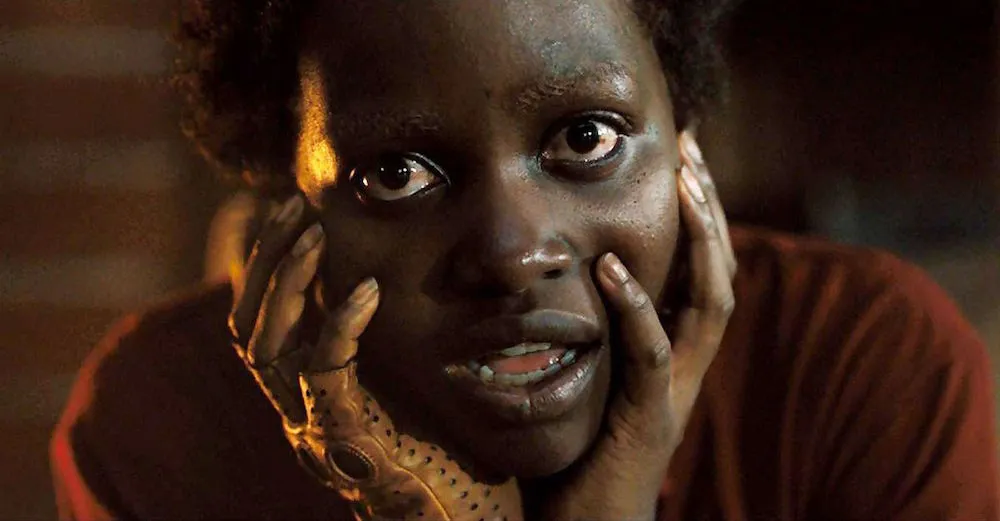
Adelaide confronts her doppelgänger and discovers traumatic childhood secrets. The twist reveals she’s been the “tethered” one all along, raising questions about identity, class, and who deserves a good life.
Dual Performance: Nyong’o plays both Adelaide and Red, creating distinct physicality and voice for each.
Why These Survivors Hit So Hard
Film scholars like Carol J. Clover, who literally named the “final girl” in her book Men, Women, and Chainsaws, explain how these characters let us feel the fear through someone who pushes back. Experts from places like Virginia Tech have tracked how they’ve moved from passive victims to active fighters over decades. It’s not just entertainment — it mirrors real talks about resilience and trauma.
These female horror movie characters who survive show that pushing through fear looks different for everyone. Whether it’s Laurie’s quiet determination or Ripley’s no-nonsense efficiency, they make horror feel human. Next time a killer shows up on screen, bet on the woman who refuses to quit — she’s probably the one walking away. And yeah, she’ll haunt your thoughts in the best way. Keep watching horror movies; the next great survivor might just show up tonight.