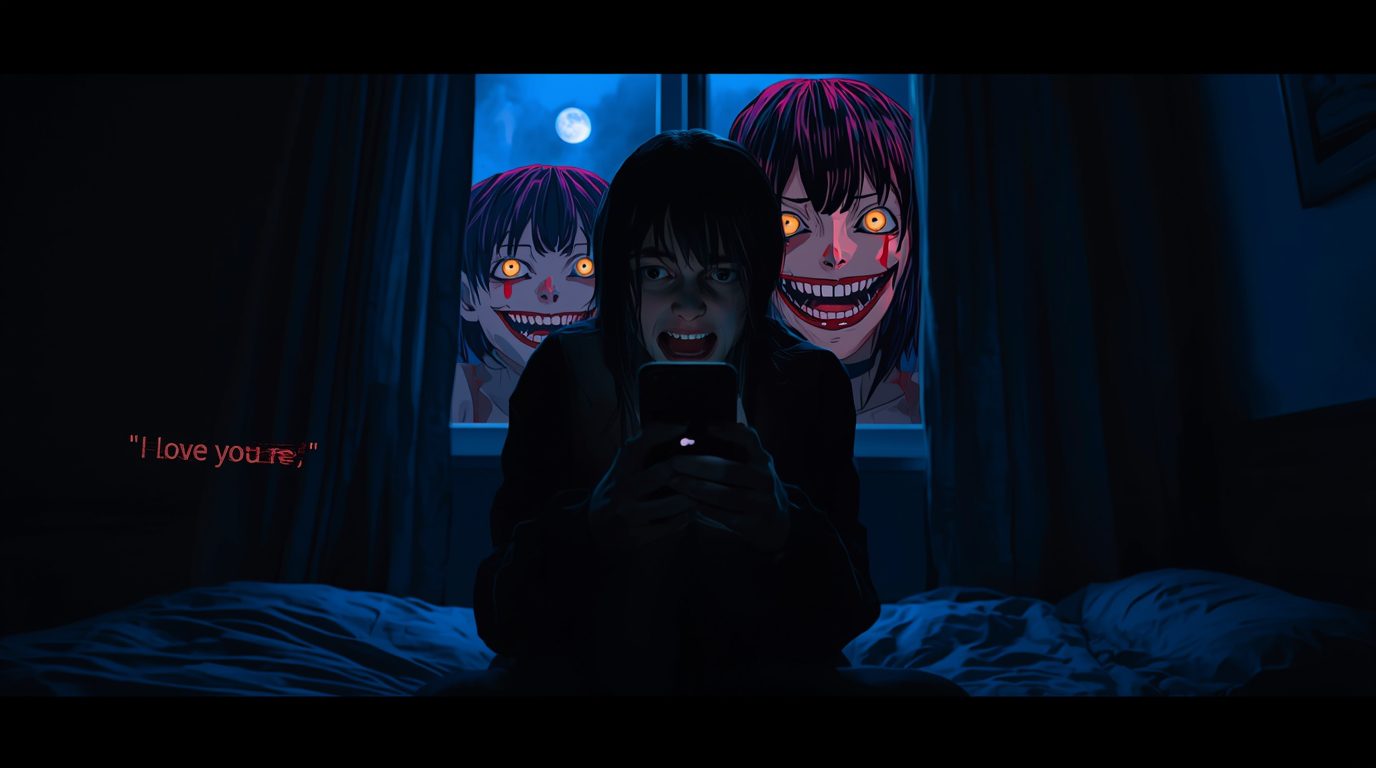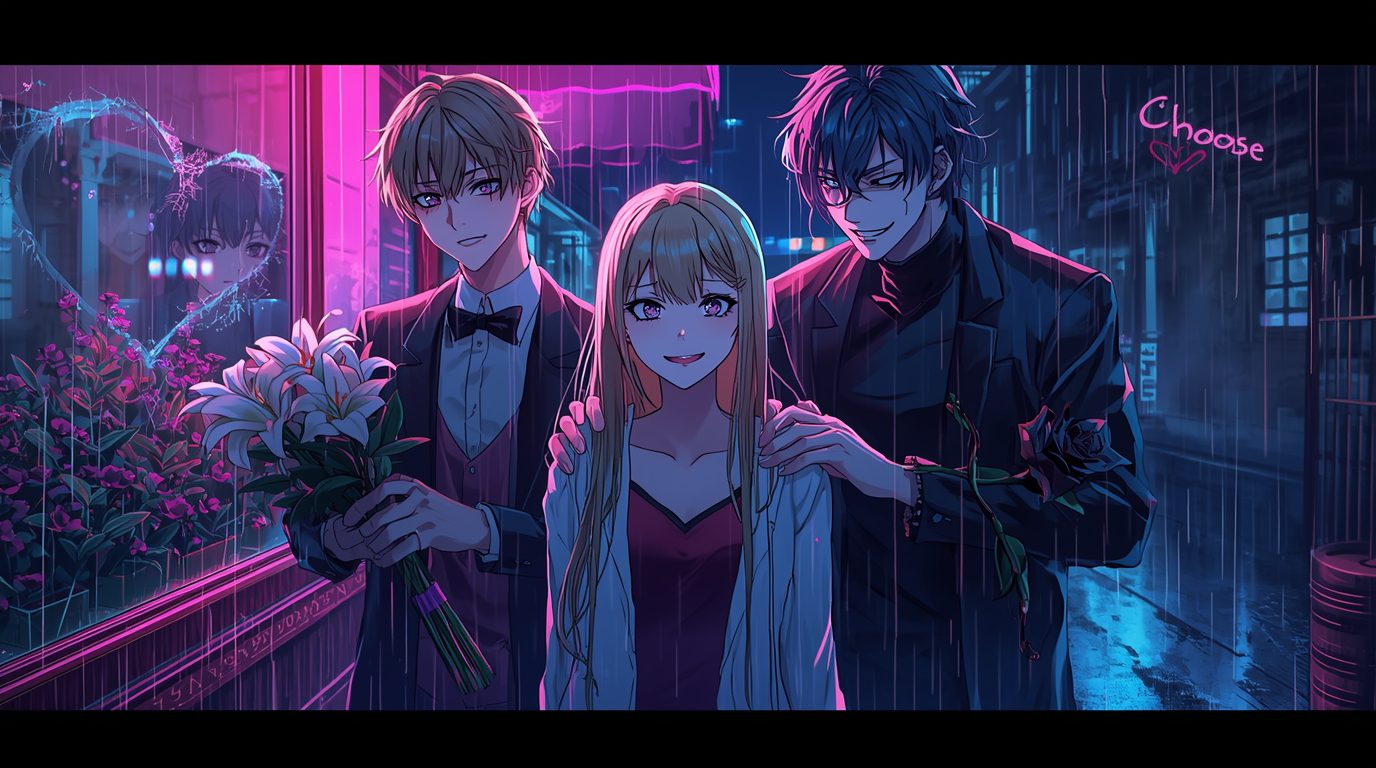
Some horror games scream at you. Others whisper.
Crimson Spires belongs to the second type.
If you’ve ever found yourself craving a visual novel that wraps you up in a blanket of eerie mystery, tosses in some pulse-pounding horror, and then sprinkles romance options that actually feel earned and complicated, then Crimson Spires is the game that’s been waiting for you. Developed and published by the indie powerhouse Woodsy Studio, this otome-style adventure isn’t just another pretty dating sim—it’s a full-blown narrative beast that blends point-and-click exploration, vampire lore, conspiracy theories, and themes of isolation that hit a little too close to home, especially after the world we all lived through in 2020.
Crimson Spires fits perfectly into the growing wave of atmospheric indie horror, alongside other titles discussed in our guide to the best horror games.
If you enjoy horror that focuses on mood, isolation, and psychological pressure rather than action, this game is worth your attention.
Who is Woodsy Studio?
Woodsy Studio is the creative haven of Jenny Gibbons, a multi-talented force who wears more hats than you can imagine. With a BFA in Screenwriting from USC, early days grinding in Hollywood, and a pivot to indie novels under the pen name Jayden Woods—where her debut, Eadric the Grasper, snagged a spot as one of Kirkus Discoveries’ top 10 indie books of 2010—Gibbons brings a storyteller’s soul to everything she touches.
She handles art, animation, graphic design, basic coding in Python and JavaScript, and even composes the scores for her games. Woodsy Studio focuses on dramatic visual novels and interactive media, with past hits like the Echoes of the Fey series (a fantasy-mystery trilogy about a half-fey detective) paving the way before Crimson Spires took center stage.
Post-Crimson, Gibbons poured her energy into Serafina’s Saga: Awakened, a UE4-powered otome that dropped in March 2024, but Crimson remains a fan favorite that pops up in Reddit threads and Steam sales even now.
The Road to Release
The journey to Crimson Spires kicked off with its announcement on April 5, 2019, when Woodsy Studio teased an otome-horror hybrid aimed for a 2019 release. Built in Unreal Engine 4—a bold choice for a VN that allowed for those stunning 3D explorable environments—development ballooned in scope. What started as a straightforward story grew into a 250,000+ word epic, complete with voice acting, dynamic music, and branching paths that demanded multiple playthroughs.
Demos dropped during Steam Game Festivals in June 2020, letting players taste the tension right from the start: a “from the beginning” version on itch.io and voiced sections on Steam. Delays pushed the full PC launch to October 27, 2020—just in time for Halloween—on Steam and itch.io. The soundtrack followed hot on November 9 as a separate Steam DLC, and console ports arrived later via publisher Eastasiasoft on June 8, 2022, for PS4, PS5, Xbox One/Series, and Nintendo Switch—complete with a brand-new fifth story path in New Game+ mode.
Epic Games Store joined the party on April 4, 2023, cementing its multi-platform legacy. No major updates since, but it’s frequently discounted—like the ongoing Steam Winter Sale at 50% off until January 5, 2026, dropping it to $9.99, or itch.io’s Winter Sale 2025 bundle for their games.
What Is Crimson Spires?
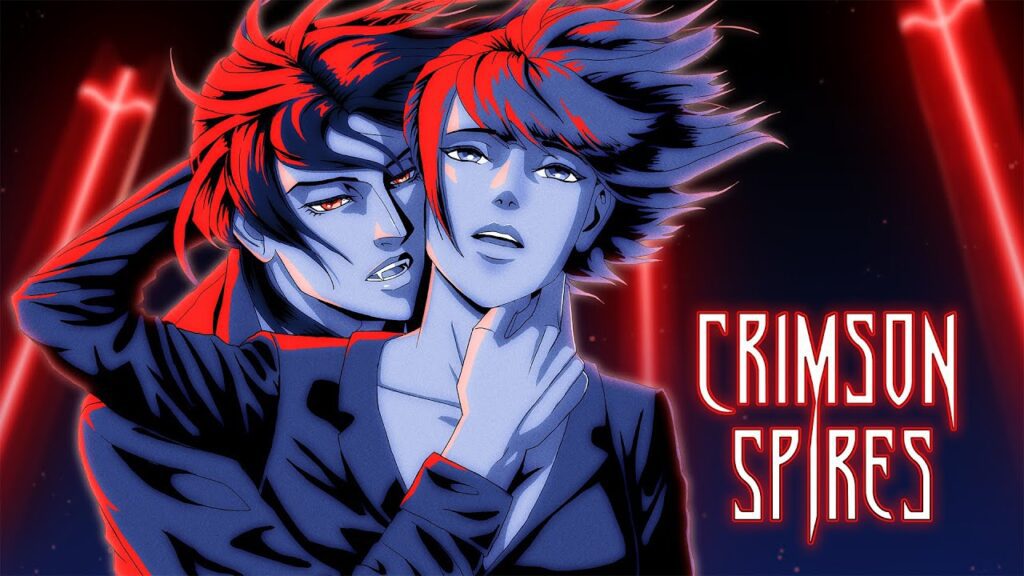
Crimson Spires is an indie psychological horror game built around exploration, atmosphere, and story. It’s not fast. It’s not loud. And it doesn’t hold your hand.
You explore a strange, quiet place surrounded by towering red spires and dense woodland. The environment feels empty—but not safe. There’s a strong sense that something happened here… and maybe it hasn’t fully stopped happening.
Games like Crimson Spires often get compared to narrative-focused horror experiences, similar to the ones explored in our breakdown of love horror visual novels, where tension comes from emotion rather than action.
Crimson Spires at a Glance
| Aspect | Details |
|---|---|
| Developer | Woodsy Studio |
| Genre | Atmospheric horror, narrative exploration |
| Gameplay Style | Walking simulator with puzzle elements |
| Pace | Slow-burn, contemplative |
| Horror Type | Psychological, environmental storytelling |
| Combat | None |
| Story Approach | Ambiguous, open to interpretation |
| Playtime | Varies based on exploration style |
| Best For | Fans of mood-driven horror, narrative games |
| Not Ideal For | Players wanting action or clear answers |
| Key Strengths | Atmosphere, sound design, visual identity |
| Similar Games | Layers of Fear, What Remains of Edith Finch, Gone Home |
Story, Themes, and Emotional Tone
At its heart, Crimson Spires drops you into Bataille, Missouri—a crumbling mining town in the Ozarks that’s been sealed off from the world for six months by towering mechanical “crimson spires” that zap anyone trying to flee. No planes overhead, radios crackling with static, TVs snowing out—it’s the Contingency, a cataclysmic event no one fully understands. The wealthy Bataille family, who own the defunct lead mine and claim vampire heritage, insists the spires protect the townsfolk from… something out there.
Dozens have died testing the borders, food’s rationed via a mysterious supply train, and strange creatures lurk beyond. Enter Sheriff Erika Wright, our protagonist and a no-nonsense ex-FBI agent stuck in town after a prisoner transport gone wrong. Her mission? Retrieve serial killer suspect August Flynn, only to get trapped herself. Now, as the new sheriff patrolling for escapee corpses and investigating missing locals, Erika must navigate conspiracies, grill suspects, and ally with one of four potential love interests to pierce the veil of secrets.
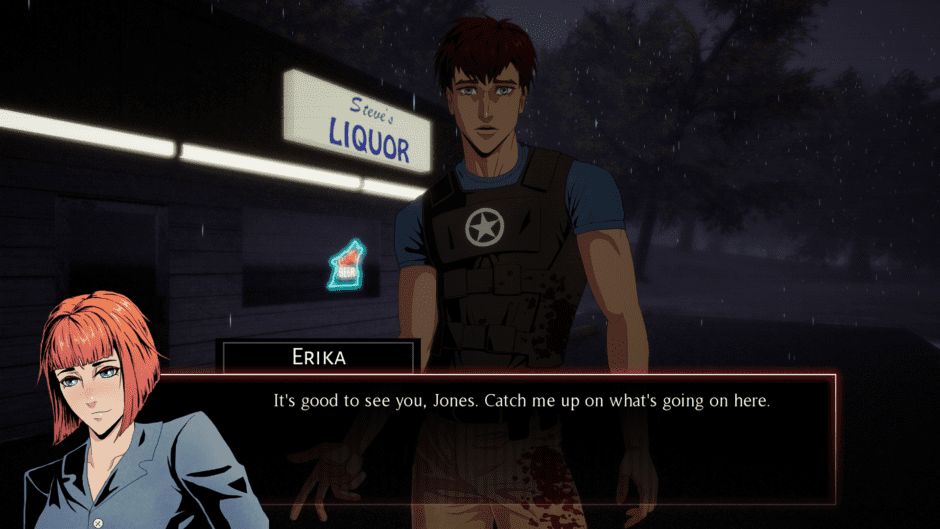
Each choice unveils unique lore about the spires, the vampires, and the town’s descent into paranoia—exploring themes like late-stage capitalism, isolation, and the human (or inhuman) need for connection. It’s not all doom; romance blooms amid the horror, but trust is a luxury, and not every mystery gets a tidy bow.
The narrative unfolds through the environment itself. You notice strange structures, symbols, and sounds that feel slightly wrong. The horror here is subtle and psychological, much like the slow-burn storytelling seen in titles such as It Gets So Lonely Here.
Erika Wright and Her Complicated Love Interests
Erika herself is a standout lead—tough, pragmatic, and deeply flawed, with her backstory as an FBI profiler adding layers to her interrogations and moral dilemmas. She feels real, shaped by loss and duty, making her bonds with the LIs hit hard. Speaking of which, here’s where the otome magic shines. There are four main romance paths, each a distinct branch covering the game’s final third, plus that console-exclusive fifth in NG+:
| Love Interest | Description | Voice Actor |
|---|---|---|
| August Flynn | A charismatic philosophy professor accused of serial murders, offering cryptic insights into the town’s madness. His route dives into intellectual horror and moral ambiguity. | Bradley Gareth |
| Julian Bataille | The suave, manipulative scion of the vampire family—calm on the surface, but with depths of control and seduction. Expect power plays and dark allure. | Davell Toles |
| Liam Bataille | Julian’s optimistic adopted brother, full of earnest hope amid the despair. His path brings warmth and family drama to the chills. | Gabriel James / Gabriel Hicks |
| Maddy Gray (Madeleine) | A tough, loyal lesbian outsider tied to the Batailles, bringing grit and unfiltered emotion. Her route explores outsider bonds and raw survival. | Abigail Turner |
Supporting cast like vampire matriarch Charlotte (Amber Leigh), conspiracy nut Bradley Jones (Jordan Harrelson), and others flesh out the world with stellar English VO in key scenes.
Gameplay: Slow, Intentional, and Focused
Crimson Spires keeps gameplay simple — on purpose. Gameplay keeps you engaged beyond clicking text: Explore Bataille’s 3D streets and interiors in an evocative, low-poly style reminiscent of early PS1 horror—eerie simplicity that amps the unease. Point-and-click to uncover side quests, eavesdrop on locals, interrogate folks, and gather clues.
Choices branch naturally into your chosen LI’s path, leading to eight endings total. Sessions average 30 minutes, but full completion? 10-15 hours of replays. It’s accessible with subtitles, though some itch.io comments note Switch bugs (fixed in patches) and a film grain toggle for eye comfort. A free demo is still available on Steam to hook you right away.
You explore, observe, and interact with the world. There’s no combat system pushing you forward. This approach is similar to other atmospheric horror titles covered in our horror section, such as Arkham Horror Game, where immersion matters more than mechanics.
What you’ll actually do:
- Walk through forest paths and strange landmarks
- Trigger story moments through exploration
- Pay attention to sound and visual cues
This slow pacing isn’t for everyone, but for the right player, it creates deep tension.
Atmosphere Comes First
Crimson Spires is all about atmosphere.
The muted colors, deep reds, and towering structures make the world feel unnatural. The forest isn’t comforting — it feels like it’s hiding something.
Sound design plays a huge role. Silence is used as a tool. When audio appears, it matters. This kind of sound-driven tension is also discussed in survival-focused horror guides like How to Survive as a Maid in a Horror Game, where awareness is key.
Jenny Gibbons’ soundtrack seals the deal—38 dynamic tracks blending synth and orchestral swells, from haunting ambiences to heart-wrenching swells. Available as a $4.99 Steam DLC (often bundled in sales), it’s perfect for late-night replays. Art mixes detailed 2D portraits with UE4 3D backdrops, giving a comic-book edge that reviewers call “immersive” and “uniquely atmospheric.”
Player Love and a Dedicated Legacy
Reception? Overwhelmingly glowing. Steam sits at Very Positive (87% of 77 reviews), with itch.io boasting a stellar average from 32 ratings. Players rave about the “gripping pacing,” “complex characters,” and “addictive mysteries” that demand replays—many call it “the best indie otome yet” for its Western twist on the genre. Criticisms are minor: The NG+ ending feels unresolved to some (intentionally ambiguous?), poly elements in certain routes rub monogamy fans wrong, and early tech hiccups (now patched). Reddit’s r/otomegames and r/IndieOtome still recommend it in 2025 threads for its “layers” and “red flags galore.”
Why Crimson Spires Stands Out
Indie horror is crowded. Many games rely on loud scares or short shock value.
Crimson Spires stands out because it:
- Avoids jump-scare overload
- Respects the player’s patience
- Uses silence as a weapon
- Focuses on psychological tension
It sits comfortably next to narrative-heavy horror experiences like Dead Wishes and Where Winter Crows Go, where mood matters more than mechanics.
Grab It Now: Platforms and Deals as of December 23, 2025
As of December 23, 2025, Crimson Spires is easier than ever to dive into:
- Official Website: Woodsy Studio – Crimson Spires
- Steam: $9.99 (50% off) – Steam Page
- itch.io: From $11.99 or in Winter Sale bundles – itch.io Page
- Epic Games Store: Full price $19.99
- Consoles: Via Eastasiasoft – Eastasiasoft Page
- Free Demo: Available on Steam and itch.io to test the waters.
Who Should Play Crimson Spires?
This game is not for everyone.
You’ll enjoy it if you:
- Love atmospheric and psychological horror
- Enjoy slow exploration
- Like piecing stories together yourself
You may not enjoy it if you:
- Want fast gameplay or combat
- Expect constant action
- Prefer clear objectives
If you’re curious about similar slow-burn horror experiences, our guide to Is Firewatch a Horror Game? explores why quiet games can still feel deeply unsettling.
Crimson Spires is a quiet, slow, and deeply uncomfortable horror experience — in a good way.
Woodsy Studio created a game that doesn’t try to scare everyone. It focuses on players who enjoy atmosphere, mystery, and psychological tension.
If you’re tired of loud horror and want something more thoughtful and immersive, Crimson Spires deserves a place on your radar.
Sometimes, the scariest games are the ones that barely say a word.