Ever picked up a game that starts off simple but then twists your brain into knots? Signalis does just that. It’s this retro-style survival horror where you play as Elster, an android crashing into a nightmare world full of corrupted machines and forgotten promises. Released back in 2022, it pulls you into a story about love, loss, and some seriously creepy sci-fi vibes. If you love horror games, this one’s got that mix of puzzles and scares that keeps you coming back, even when it’s messing with your head. I mean, who wouldn’t want to explore a dystopian facility where nothing’s what it seems?
Unpacking the Signalis Story
So, let’s get into what happens in Signalis. You wake up as Elster, this Replika unit – basically a synthetic person modeled after a real human. She’s crashed on some frozen rock called Leng, and right away, she’s searching for Ariane, her partner from this doomed space mission. The Penrose-512 was supposed to scout for new planets, but it turned into a isolation chamber where these two fell hard for each other, breaking all the rules. As Elster digs deeper into the S-23 Sierpinski mining facility, she finds it’s overrun with these twisted, infected Replikas that look like they crawled out of your worst dreams. The story unfolds through notes, flashbacks, and radio signals, showing how Ariane’s illness and bioresonance powers – this psychic-like ability – started warping reality.
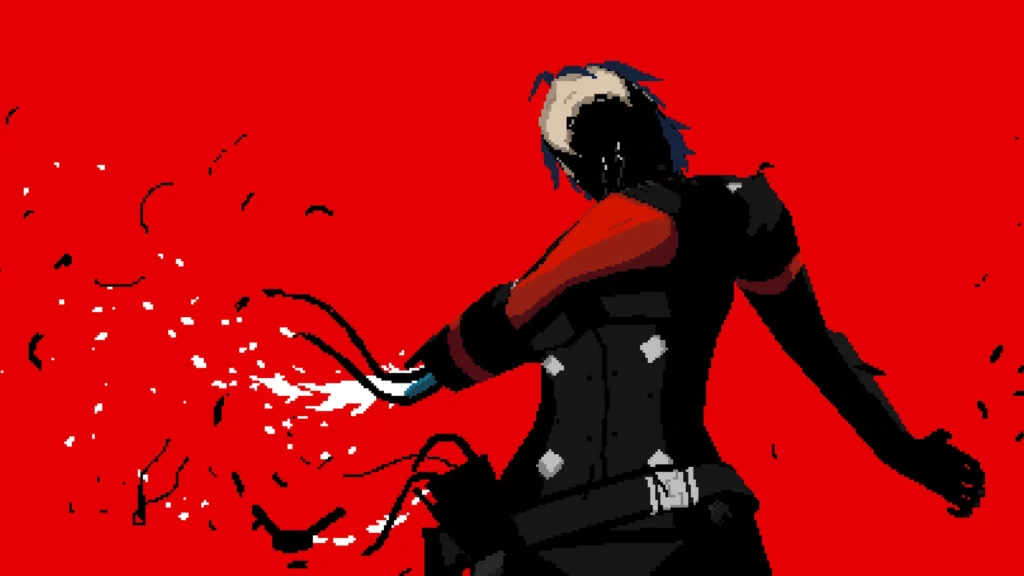
It’s not just a straight line though. The Signalis story loops back on itself, making you question what’s real and what’s a memory glitch. Elster keeps reliving moments, piecing together how their love story went sour in the void of space. Ariane, suffering from radiation, begged Elster to end it if things got bad, but fate had other plans. By the time you hit the facility’s depths, you’re dealing with alternate versions of events, like echoes in a hall. This setup builds tension slow, revealing the Signalis lore bit by bit. And yeah, if you love horror games with emotional punches, this hits different because it’s as much about heartache as it is about horror.
The romance angle? It’s the heart of the Signalis story romance. Elster and Ariane’s bond isn’t some side plot; it’s why everything’s falling apart. In a world where Replikas aren’t supposed to feel, their connection defies the Eusan Nation’s iron rules. You see snippets of their time on the ship – dancing to old tunes, sharing secrets – and it makes the current chaos feel personal. But as the corruption spreads, that love turns obsessive, trapping them in cycles. It’s raw, you know? Not your typical game romance; more like a tragic pull that drags everyone down.
The World Behind Signalis Lore
Signalis lore runs deep, pulling from all sorts of influences. The Eusan Nation’s this totalitarian setup, controlling planets like Vineta and Rotfront, where Gestalts – humans – and Replikas live under strict surveillance. Bioresonance is key here; it’s how powerful folks like the Great Revolutionary bend reality, but it backfires big time. In the game, Ariane’s latent powers amplify after the crash, infecting the facility with her dying dreams. That’s why you see repeating symbols like the red eye or the King in Yellow book – nods to old horror tales about madness and forgotten gods.
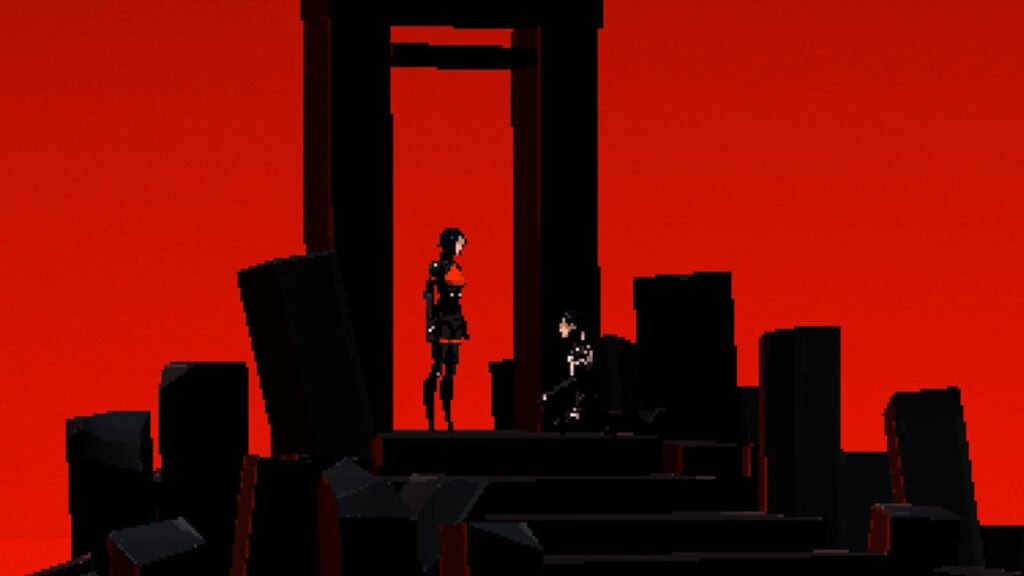
Digging into the Signalis lore, you find out Replikas are cloned from specific people, like Elster from a soldier named Lilith Itou. They’re programmed for roles, but exposure to personal stuff destabilizes them. The facility’s outbreak? It’s Ariane’s subconscious leaking out, turning workers into monsters that mimic her pain. Notes scattered around hint at past wars between the Nation and Empire, with bioresonance weapons causing rifts in reality. It’s all connected to cycles – birth, decay, repeat – mirroring Elster’s endless search.
If you’re into the nitty-gritty, the lore ties into real myths too. Stuff like Swan Lake plays in the background, symbolizing doomed love and transformation. And the planets? Leng’s inspired by Lovecraft’s cold wastes, where ancient horrors lurk below. Putting it together, Signalis lore isn’t just backstory; it’s what makes the horror feel cosmic. You start seeing how one person’s despair can ripple out, corrupting everything. Kinda reminds me of those late-night rabbit holes where I end up reading about old sci-fi, and suddenly it’s dawn.
Key elements in Signalis lore:
- Bioresonance: Psychic power that warps minds and matter.
- Replikas vs. Gestalts: Synthetics loyal to humans, but fragile.
- Penrose Program: Suicide scouts for new worlds.
- The Signal: Ariane’s broadcast pulling Elster back.
- Cycles: Time loops trapping characters in suffering.
How Signalis Plays – Tense and Tricky
Playing Signalis game feels like stepping into an old PS1 title, but with modern twists. You control Elster from a top-down view, scavenging for ammo, health kits, and keys while dodging or fighting corrupted foes. Inventory’s limited to six slots, so you’re always choosing what to carry – gun or puzzle item? Puzzles range from tuning radios to frequencies to combining weird artifacts, like aligning lunar phases or decoding ciphers. Combat’s clunky on purpose; aiming’s finicky, and enemies can get back up if you don’t burn ’em.
What keeps it fresh is the radio module. You use it to listen for signals that unlock doors or reveal hints, adding this eerie layer where static hides whispers. Safe rooms let you save and stash gear, giving brief respites in the chaos. Boss fights mix shooting with puzzle-solving, like exploiting weaknesses in patterns. Overall, the Signalis game balances exploration with survival, making every corner feel dangerous. If you love horror games that make you think, this nails it without holding your hand.
I remember one playthrough where I ran out of ammo mid-fight, heart pounding as I kited enemies around furniture. Had to reload a save from hours back – talk about learning the hard way. But that’s the charm; it forces smart plays. The visuals? Pixel art with CRT filters that make everything fuzzy and nostalgic. Sound design’s top-notch too, with creaks and distant screams building dread.
The Creepy Romance at Signalis’s Core
Signalis horror romance stands out in a genre full of jump scares. It’s not about cheap thrills; it’s how love fuels the nightmare. Elster’s quest for Ariane drives every step, but their bond’s tainted by isolation and decay. On the Penrose, they shared books, music, even dances – sweet moments amid the void. But as Ariane sickens, that affection twists into a promise of mercy killing, which Elster can’t forget.
This Signalis story romance explores obsession. Ariane’s dreams manifest as horrors, pulling Elster into loops where love means suffering. It’s sapphic too, with subtle tenderness in flashbacks – holding hands, whispered promises. Yet, horror creeps in; corrupted Replikas symbolize broken relationships, shambling reminders of what was. The game’s quiet about it, letting notes and images speak, making the romance feel earned and tragic.
Humor me for a sec – those infected? Like clingy partners who won’t take a hint, always coming back. But seriously, it adds depth. If you’re into this blend of love and horror, this hits home. References to classics like Ghost in the Shell amp up the identity crisis, questioning if synthetic love’s real.
Replika Types You’ll Encounter
| Replika Type | Role | Weaknesses | Appearance |
|---|---|---|---|
| STCR (Storch) | Security | Aggressive, unstable | Tall, bird-like |
| STAR (Starling) | Protector | Persona degradation | Armored, stern |
| EULR (Eule) | Domestic | Sensitive to art | Humanoid, graceful |
| KLBR (Kolibri) | Bioresonant | Mind-reading overload | Small, psychic |
| ARA (Ara) | Mining | Isolation breakdown | Robust, tool-wielding |
| MYNH (Mynah) | Heavy labor | Physical wear | Bulky, mechanical |
This table breaks down some Replika types you’ll encounter in Signalis – handy for knowing who to avoid or exploit.
Signalis Endings Explained – No Easy Answers
Figuring out Signalis endings explained? Buckle up; they’re tied to how you play. The game tracks your style – aggressive, exploratory, or survival-focused – to decide which one you get. All happen in loops, no “true” end per the devs. In “Promise,” Elster fulfills the mercy kill, freeing Ariane from pain, but dies beside her. It’s bittersweet, ending the cycle maybe. “Memory” has Ariane forgetting Elster, who sits eternally waiting. Heart-wrenching stuff.
Then “Leave”: Elster can’t go through with it, abandoning the ship to wander. Feels like giving up. The secret “Artifact” involves lilies and the King in Yellow, where Elster joins Ariane in an endless dream – poetic, if creepy. A fake mid-game ending tricks you into thinking it’s over, but nope. These Signalis endings explained show themes of persistence vs. release. Play rough? Promise. Hide a lot? Leave. Balance? Memory.
Ways to influence Signalis endings:
- Die often: Pushes toward Promise.
- Long playtime: Leans to Memory.
- Quick runs: Might get Leave.
- Collect artifacts: Unlocks secret.
As Eurogamer noted in their review, these conclusions haunt you, blending beauty with terror. Makes sense; each feels like a different facet of grief.
Comparing Signalis to Other Horror Greats
Signalis draws from legends, but stands unique. Compared to Silent Hill, it’s got that psychological depth, dreams bleeding into reality. Resident Evil? Inventory juggles and zombies, but Signalis amps the lore. Unlike Dead Space’s action-horror, this one’s slower, more about atmosphere.
I once compared it to a friend over coffee – “It’s like Silent Hill met Evangelion in a cold war bunker.” Laughed, but it’s true. The romance adds a layer those classics lack.
Feature Comparison
| Feature | Signalis | Silent Hill 2 | Resident Evil (1996) |
|---|---|---|---|
| Perspective | Top-down 2.5D | Third-person | Fixed camera |
| Focus | Story, puzzles | Psychological horror | Action, survival |
| Inventory | 6 slots, strict | Unlimited, but weight | Limited slots |
| Enemies | Reviving corrupted | Symbolic manifestations | Zombies, mutants |
| Themes | Love, identity loops | Guilt, subconscious | Corporate conspiracy |
| Length | 8-12 hours | 6-10 hours | 5-8 hours |
| Unique | Bioresonance, romance | Pyramid Head | Herbs for healing |
This comparative table shows how Signalis borrows but innovates – perfect if you love horror games.
Why Signalis Feels So Real and Relatable
What makes Signalis stick? It’s the human touch in a synthetic world. Elster’s quiet determination mirrors real struggles – holding on when everything’s crumbling. The lore’s dense, but rewarding; piecing it together feels like therapy. Plus, the art style? That pixel grit with surreal shifts keeps it fresh.
Building Trust in Signalis’s World
Experts rave about its authenticity. Drawing from European sources like Eurogamer, it’s praised for flawless visuals and sound that immerse you. Rose-engine, a small Hamburg team, poured years into it, showing real passion. No fluff; every detail serves the story. Trust me, after playing, you’ll question your own memories a bit.
Personal Touches That Hit Home
Adding my two cents – last Halloween, I binged Signalis, lights off. A creak in my house? Nearly dropped the controller. Reminded me of old Resident Evil nights, but with more feels. That’s its power; blends scares with story romance that lingers.
Final Musings on Signalis
Wrapping this up, Signalis game’s a gem for anyone who digs deep narratives. Its horror romance weaves love into dread, making scares meaningful. With lore that unfolds like an onion – tears included – it’s replay-worthy. If you love horror games, grab it; might just become your new obsession. Just don’t blame me if you dream of red signals after.
Reasons to replay Signalis:
- Unlock different endings.
- Catch missed lore bits.
- Appreciate sound design anew.
- Test puzzle speedruns.
- Feel that romance tug again.