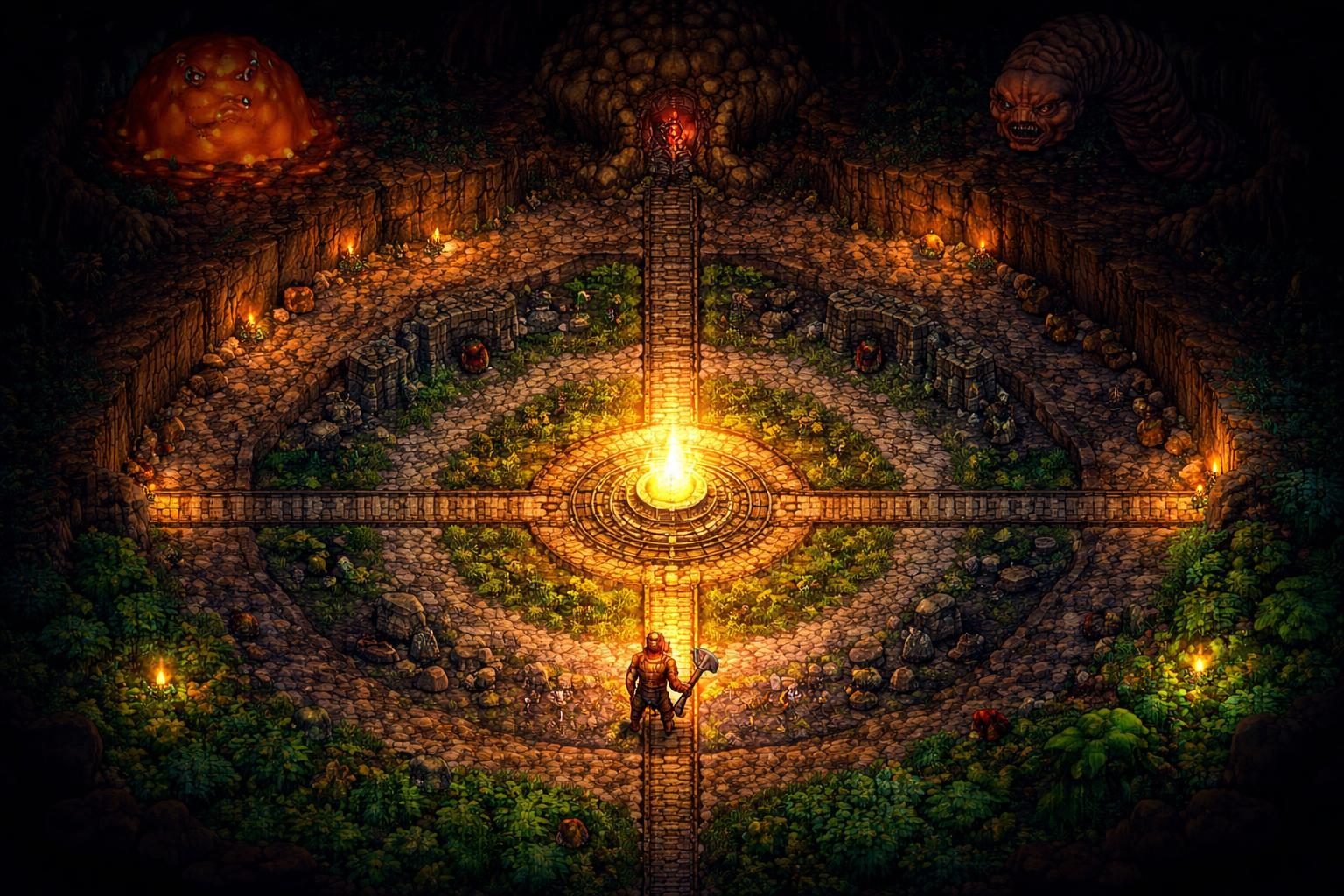
Core Keeper throws you into an underground world where survival means digging, crafting, and fighting massive bosses. These bosses aren’t just obstacles—they’re what make the game addictive. Whether you’re starting out or grinding for endgame gear, knowing how to beat them changes everything. I’ve spent hours in those caves, and beating your first boss feels amazing. This guide breaks it down without the fluff, focusing on what actually works.
What makes the bosses in Core Keeper so interesting?
Bosses in Core Keeper guard your progression. They force you to explore different areas and upgrade your equipment. Each one has unique moves that test your build and patience. Some burrow underground, others fly around zapping you with lightning. The game mixes survival with boss fights, so you need to prepare properly.
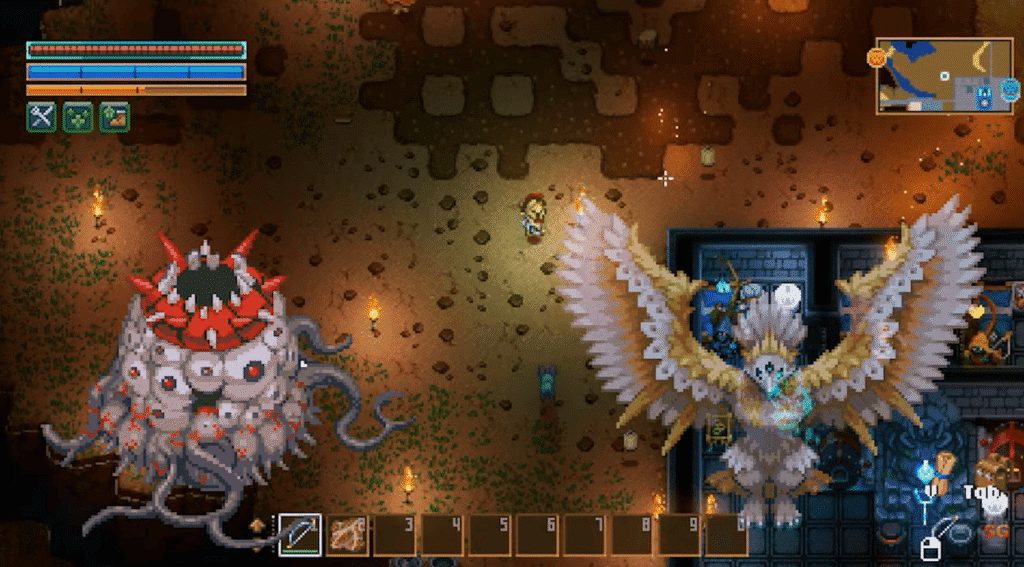
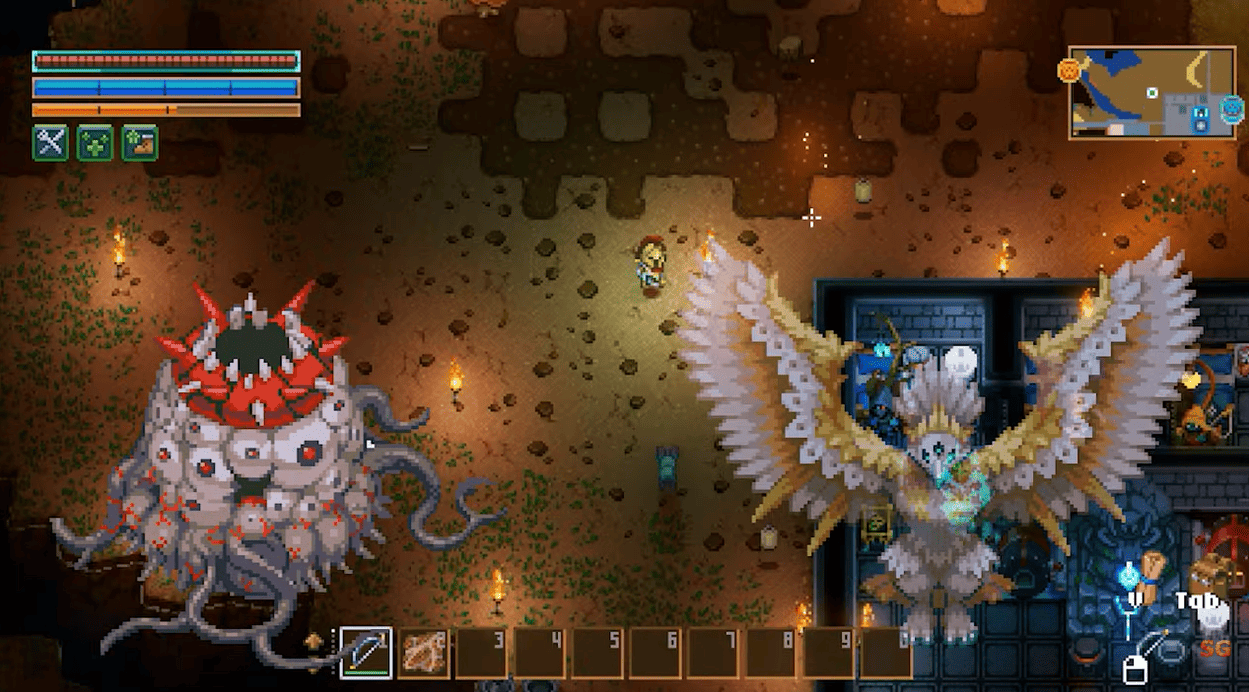
You’ll need good food, weapons, and maybe a friend or two if you’re playing co-op. Bosses drop rare items that unlock new areas, which keeps things interesting. Think of them as puzzles wrapped in combat: figure out the pattern, and you’ll win.
Boss fights get harder as you progress. Early ones teach you the basics like dodging and timing your attacks. Later bosses need better armor and smarter strategies. The developers at Pugstorm keep updating the game, so strategies can change with patches. I remember scrambling when an update changed a boss’s attack speed—it caught me completely off guard mid-fight.
Early Game Bosses
The first few bosses you’ll face are designed to teach you the game’s combat system. They’re not pushover fights, but they’re manageable if you prepare. These early encounters set the tone for everything that comes later, so don’t skip the learning phase.
Glurch the Abominous Mass
Glurch is usually the first real challenge for new players. He lives close to your starting area, so you’ll bump into him pretty quickly. He attacks by jumping and slamming the ground, which punishes you for standing still. The fight is simple but forces you to learn timing and positioning early on.
Killing Glurch unlocks a merchant NPC and gives you access to scanners you’ll use later. This boss exists to push you out of your comfort zone and into the wider world. Don’t worry if it takes a few tries—that’s normal.
Ghorm the Devourer
Ghorm is different because he constantly moves in a big loop between biomes, carving tunnels as he goes. You don’t fight him in a fixed arena, which makes positioning more important than raw damage. His speed and high health make attempts painful if you’re undergeared.
Learning his path lets you prepare traps or clear space before the fight starts. His drop is tied to mobility and fast travel progression, so you’ll definitely want to take him down. For more tips on game development mechanics like these movement patterns, check out our guide.
The Hive Mother
The Hive Mother sits in a sealed chamber inside the Larva Hive and never moves from her spot. The real danger comes from the endless larvae she spawns and the acid covering the floor. This fight tests crowd control and stamina rather than quick reflexes.
Clear some space before you activate the fight—it makes a noticeable difference. She’s optional, but she rewards players who want extra resources and tools for crafting.
How to Prepare for Your First Boss Fight
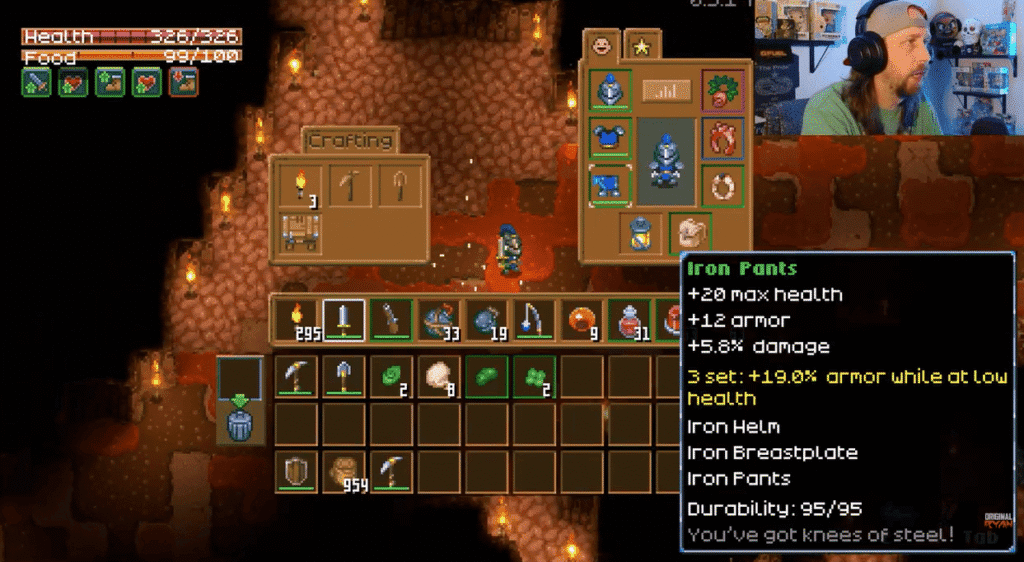
Preparation is what separates wins from deaths. Scout the arena beforehand so you know what to expect. Craft armor from whatever ores you’ve found—copper works fine for early fights. Bring plenty of food like cooked mushrooms for health regeneration.
Test your weapons on regular enemies first to get comfortable with the timing. In co-op mode, assign roles like one person tanks while others deal damage. Don’t forget to bring healing potions and maybe some bombs for crowd control.
Mid-Game Core Keeper Bosses and Their Tricks
Once you’ve beaten the early bosses, the game steps up the difficulty. Mid-game bosses require better gear, smarter strategies, and sometimes a bit of luck. These fights are where Core Keeper really starts to test your skills.
Malugaz the Corrupted
Malugaz is summoned manually, and the fight turns into controlled chaos fast. He uses fire attacks, teleports around, and summons enemies that can quickly overwhelm you if you panic. The arena matters here because traps and tight corners can work against you.
This boss blocks access to outer biomes, so you can’t skip him. Beating Malugaz feels like a clear step up in difficulty. Make sure you have fire-resistant gear and plenty of space to move around.
Azeos the Sky Titan
Azeos roams a wide open biome and hits hard with large area attacks. Crystals spawn during the fight that can heal him, which forces you to split your attention between targets. Movement speed and ranged damage help more than just brute force here.
His soul unlocks scanners and pushes you toward late-game content. This fight rewards awareness over aggression—stay calm and focus on the crystals when they appear.
Common Mistakes When Facing Mid-Game Threats
Players often rush in without buffs, which is a recipe for disaster. Forgetting to eat or use potions leads to quick deaths. Ignoring minions lets them overwhelm you while you’re focused on the boss.
Poor positioning in arenas with hazards amplifies damage. Over-relying on one weapon type limits your options. Learn from your deaths instead of rage-quitting—each attempt teaches you something new.
Late Game Titans in Core Keeper
Late-game bosses are the real endgame challenges. They require top-tier gear, perfect execution, and a solid understanding of game mechanics. These titans guard the most valuable loot and unlock the final areas of the game.
Omoroth the Sea Titan
Omoroth is fought in water, and that alone changes everything. Movement feels slower, and the whirlpools he creates can throw you off position fast. I had to actually plan this fight instead of just showing up and hoping for the best.
Mistakes add up quickly here. His soul is required for progression, so eventually everyone has to deal with him. Bring underwater breathing potions and practice swimming combat beforehand.
Ra-Akar the Sand Titan
Ra-Akar controls the desert by burrowing underground and attacking from below. Visibility is poor, and the arena keeps changing as he moves. The fight dragged on when I didn’t stay aggressive during his surface phases.
Good armor and movement gear made a huge difference for me. This boss tests your patience more than your skill—stay focused and don’t get frustrated when he disappears underground.
Ivy the Poisonous Mass
Ivy sits deep in a dangerous area full of poison and terrain that slows you down. Just reaching her arena cost me a ton of healing items. During the fight, managing the poison is the real challenge—not her attacks.
She’s optional, but her drops help with upgrades and farming materials. This boss rewards careful play instead of rushing in. Bring antidotes and poison-resistant gear.
Strategies That Work Against Core Keeper Bosses
Beating bosses isn’t just about having high damage—it’s about tactics. Scout the summon locations and arenas first before you commit to a fight. Build a small base nearby for quick respawns if things go south.
Use food buffs for health regeneration and speed boosts. In co-op, communicate with your team—one person distracts while others attack from range. Experiment with different weapons because some bosses are weak to piercing damage while others take more damage from blunt weapons.
Fighting Ghorm is like playing tag with a giant earthworm on steroids—slippery and annoying, but if you hit him right, you’ll win. Seriously though, patterns matter. Watch for tells like charging animations or wind-up moves. You can even use traps like pitfalls for ground-based bosses.
Building the Best Loadout
Weapons: Mix melee weapons for close combat with ranged options for keeping distance.
Armor: Upgrade to match the resistances you need for each biome.
Accessories: Rings for health regeneration, necklaces for damage boosts.
Consumables: Bring potions and bombs for crowd control.
Pets: Some summons can distract enemies and take aggro off you.
Loot and Rewards from Defeating Bosses
Boss drops are what drive your progression forward. Each boss gives you souls for scanners, which reveal secrets around the map. Ghorm drops the Ghorm Scan, which unlocks clay areas. Azeos provides materials for thunder-based tools.
Rare materials let you craft legendary items. Don’t forget to grab the trophies for your base—they buff nearby crafting stations. You can sell extras to fund more upgrades. Souls can also combine to create portals to new worlds. The rewards feel earned, not just handed to you.
Track what you need because some drops are specific to certain biomes. If you’re into game development, studying how these reward systems work can teach you a lot about player motivation.
Comparing Boss Difficulties
Here’s a breakdown of Core Keeper bosses by difficulty, based on community feedback and my own runs. This compares health, attacks, and how much prep time you’ll need.
| Boss Name | Difficulty (1-10) | Health Points | Main Attacks | Prep Time Needed |
| Ghorm the Devourer | 4 | 2000 | Tunneling, Minions | Low |
| Hive Mother | 5 | 2500 | Larva Swarms, Acid | Medium |
| Azeos the Sky Titan | 6 | 3000 | Thunder, Dives | Medium |
| Malugaz | 7 | 3500 | Fireballs, Summons | High |
| Omoroth | 8 | 4000 | Tentacles, Ink | High |
| Ra-Akar | 8 | 4200 | Sand Blasts, Burrows | High |
| Ivy | 7 | 3800 | Poison, Tendrils | Medium |
This comparison shows how difficulty spikes in the mid-to-late game. Health isn’t everything—the attack patterns make or break these fights.
Useful Boss Stats and Weaknesses
Here’s a quick reference table for boss weaknesses and locations. It’s handy for planning your runs and picking the right gear.
| Boss | Location | Weakness | Summon Item | Key Drop |
| Ghorm | Dirt Biome | Melee | Giant Slime Idol | Ghorm Scan |
| Hive Mother | Larva Hive | Ranged | Acidic Glutton Idol | Hive Scan |
| Azeos | Wilderness | Pierce | Thumper | Azeos Soul |
| Malugaz | Metropolis | Blunt | Skull Summon | Corrupted Skull |
| Omoroth | Sunken Sea | Electric | Octarine Idol | Omoroth Soul |
| Ra-Akar | Desert | Fire | Ancient Gemstone | Ra-Akar Soul |
| Ivy | Mold Dungeon | Slash | Moldy Bait | Ivy Mass |
Use this to tailor your gear and weapons. Exploiting weaknesses saves you tons of time in battles.
Community Insights on Game Bosses
The gaming community shares tips that developers don’t always mention. On forums like Reddit, players swear by kiting strategies for flying bosses. Co-op mode cuts the difficulty almost in half because you can divide roles.
Mods add variety to the game, but stick to vanilla if you want achievements. The Core Keeper Steam community noted in their 2025 discussions that post-1.0 updates balanced bosses better, making solo runs more viable.
One run, I teamed up with a buddy who kept dying to minions—we laughed it off but learned to focus on adds first. Communities evolve tactics constantly, like using explosives on stationary bosses for extra damage.
Advanced Tips from Seasoned Players
Farm resources before fights so you can repair gear mid-battle. Use scanners to locate summon items faster instead of wandering randomly. Record your fights to spot mistakes you didn’t notice in the moment.
Experiment with different builds—tanky versus DPS changes how you approach each boss. Don’t be afraid to try weird combinations of gear and accessories.
My Take on Mastering These Fights
From my hours logged in Core Keeper, bosses reward persistence more than anything else. I once spent an entire evening grinding for better ore just to beat Ra-Akar after multiple failures. It paid off with that sweet soul drop and access to new areas.
Experience shows that patterns repeat across bosses, so practice pays off. Trust sources like the official Core Keeper wiki, but test strategies yourself because playstyles differ.
Expertise comes from trying different approaches and learning from failures. Authoritative voices like Pugstorm developers on Steam confirm mechanics through patch notes. Always check for updates because outdated guides can lead you astray.
Grab a friend and go loot hunting together!
Boss fights are what really shape the Core Keeper experience. They push you to explore more, prepare better, and actually understand how the game works. Once you start recognizing their patterns, the whole world opens up and progression feels smoother.
Try different approaches, don’t be afraid to fail a few times, and the underground will eventually bend to your will. If you pull off a tough win, it’s always worth sharing with the community—someone else might need that push to keep going. Happy digging!