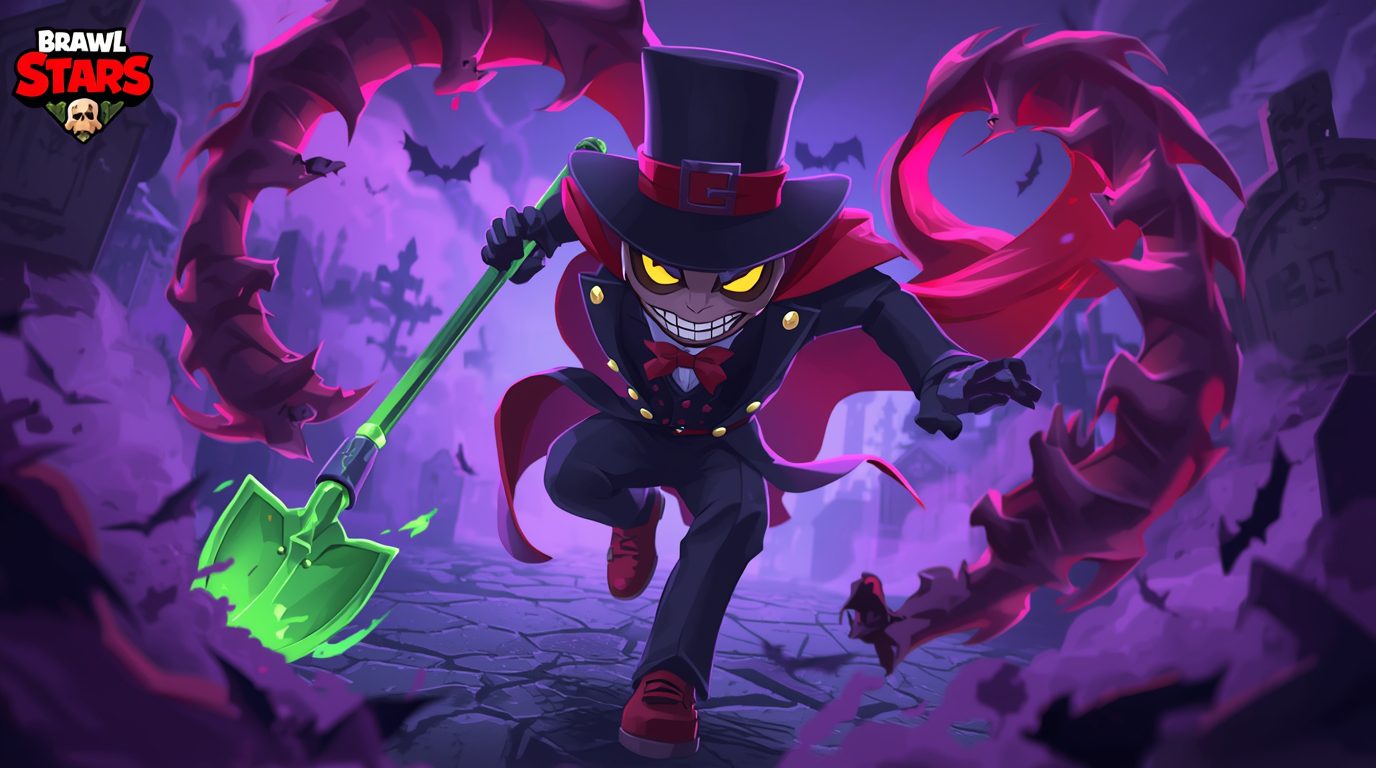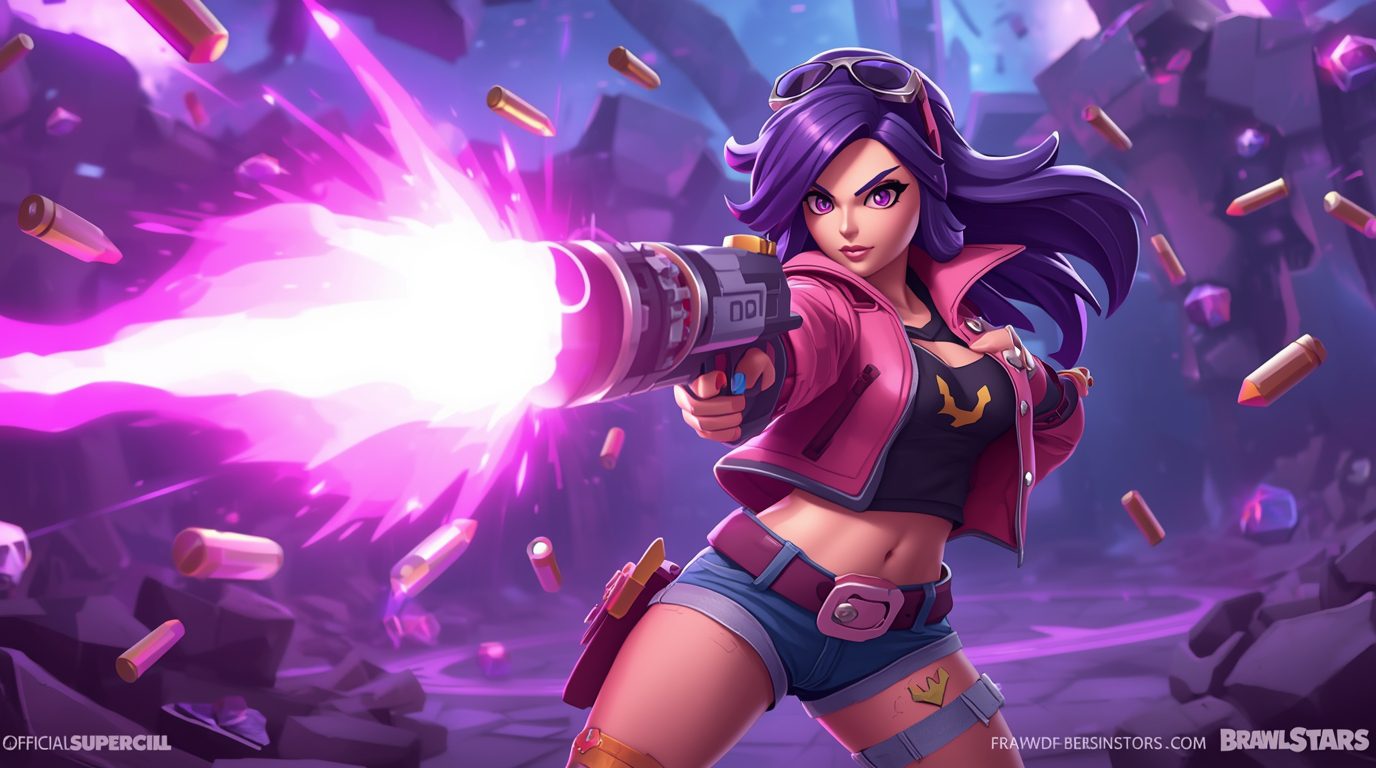
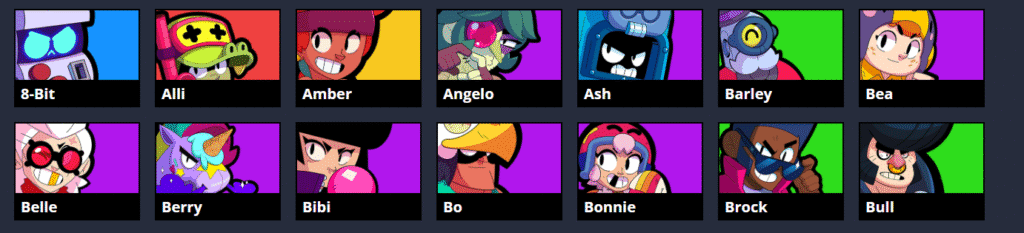
Brawl Stars, developed by Supercell (the creators of Clash of Clans and Clash Royale), remains one of the most popular mobile multiplayer games worldwide. This fast-paced, top-down arena brawler features colorful cartoon characters (“Brawlers”) battling in 3v3 teams, solo showdowns, or special events. Matches last just 2-3 minutes, with objectives like collecting gems, scoring goals, or surviving as the last player standing. The game’s vibrant, non-gory violence—no blood, realistic injuries, or disturbing visuals—sets it apart from more intense shooters, making it appealing to younger audiences.
Despite its fun, accessible design, Brawl Stars raises common parental concerns: online interactions, in-app purchases, potential addiction, and age-appropriate content. This updated 2025 guide draws from official ratings, parent reviews (e.g., Common Sense Media, Qustodio), and expert insights to provide balanced, evidence-based advice. With proper boundaries, Brawl Stars can be a positive part of a child’s digital life—fostering quick thinking and teamwork—while minimizing risks.
This guide answers:
- What is Brawl Stars really about?
- Is Brawl Stars safe for kids?
- What age should play Brawl Stars?
- Does Brawl Stars cause addiction?
- How to control screen time and spending?
- What are the pros and cons for child development?
Official Age Ratings and Why Kids Play It Anyway
- App Store (iOS): Rated 9+ for infrequent/mild cartoon violence and online interactions.
- Google Play (Android): Often Everyone 10+ or Teen, depending on region.
- Supercell’s Terms: Requires players to be at least 13, but age verification is minimal—many kids under 13 play without restrictions.
In practice, children as young as 7-8 are common players, per data from parental control apps like Qustodio. The short matches, instant rewards (unlocking Brawlers, skins), and social features draw kids in, delivering dopamine hits through progression and wins.
Is Brawl Stars Safe for Children?
When used with parental awareness, Brawl Stars is generally considered safe for kids. It includes built-in safety measures such as filtered chat, limited communication features, and reporting systems to deal with inappropriate behavior. Unlike many online games, Brawl Stars does not include open voice chat, which significantly reduces exposure to harmful language or manipulation.
However, safety is not only about technical features. The emotional and behavioral impact of the game also matters. Children who play without time limits or emotional guidance may become overly attached, frustrated, or obsessed with winning. This is why parental involvement plays a key role in shaping a healthy experience.
Parents who actively discuss gaming behavior with their children often notice healthier balance, better self-control, and improved emotional regulation.
So, Brawl Stars is generally safer than many online games due to its cartoon style and limited voice chat (none exists—only pre-set pins, emotes, or text in clubs/teams). However, risks remain:
| Risk Area | Details | Built-in Protections | Parental Recommendations |
|---|---|---|---|
| Violence | Cartoon “shooting” and defeats; no gore or realism. | Playful animations soften impact. | Discuss that it’s fantasy; monitor emotional reactions to losses. |
| Online Chat & Strangers | Text chat in clubs (group chats) and teams; filtered but not perfect. Potential for profanity, bullying, or grooming. No voice chat reduces some threats. | Auto-filters, reporting tools, mute options. Under-16 accounts restrict some chat/clubs. | Disable club chat if possible; teach reporting; avoid random clubs. |
| Predators/Grooming | Clubs can act like chat rooms; rare but reported cases of inappropriate contact. | Anonymity encouraged; no personal info required. | Use device-level blocks; discuss stranger danger. |
| Addiction Potential | Short matches + rewards create “just one more” loops; parents report irritability when limits are set. | No built-in time limits. | Highly likely with excessive play—set strict schedules. |
| In-App Purchases | Gems/skins/Brawl Pass ($1–$100+); aggressive prompts create pressure. | Optional, not pay-to-win entirely. | Disable purchases in device settings (essential!). |
Sources: Qustodio 2025 report, Bark, Cyber Safety Cop, Common Sense Media parent reviews.
Does Brawl Stars Cause Addiction?
Yes, it can—especially for kids. The game’s design (frequent rewards, leaderboards, events) mirrors addictive mechanics in games like Fortnite. Parents on Common Sense Media frequently describe it as “highly addictive,” with kids throwing tantrums over screen time limits or begging for purchases.
Signs of unhealthy attachment:
- Irritability or anger when asked to stop.
- Neglecting homework, sleep, or offline activities.
- Obsession with trophies/rankings.
Prevention tips:
- Use built-in device tools: iOS Screen Time or Google Family Link for daily limits (e.g., 30-60 minutes).
- Third-party apps like Qustodio or Bark for advanced monitoring.
- Make gaming a reward for chores/homework.
Pros and Cons for Child Development
When played in moderation (e.g., American Academy of Pediatrics guidelines: <2 hours/day recreational screen time for ages 5-18), Brawl Stars offers real benefits.
Potential Benefits:
- Cognitive Skills: Quick decision-making, pattern recognition, strategy—similar to chess in fast-forward.
- Social/Emotional Growth: Team modes teach cooperation, communication (via pins), handling wins/losses, and resilience.
- Hand-Eye Coordination: Precise aiming/movement under pressure.
- Positive parent anecdotes: Kids learn patience with random teammates and grace in defeat.
Potential Drawbacks:
- Frustration from toxic teammates or losses leading to poor emotional regulation.
- Reduced attention span from constant stimulation.
- Sleep disruption if played late.
Balanced view from experts (e.g., esports player foundation): It’s not “educational” like Minecraft or Tetris Tumble, but moderated play supports problem-solving and teamwork transferable to school/sports.
How to Control Screen Time and Spending: Step-by-Step
- Disable In-App Purchases:
- iOS: Settings > Screen Time > Content & Privacy Restrictions > iTunes & App Store Purchases > In-App Purchases > Don’t Allow.
- Android: Google Play > Profile > Payments & subscriptions > Budget & history > Set up parental controls.
- Set Time Limits:
- Use Screen Time/Family Link to cap Brawl Stars specifically.
- Schedule “downtime” (e.g., no gaming after 8 PM).
- Chat Safety:
- Encourage solo modes or playing with known friends.
- Leave random clubs; create private ones if needed.
- Teach Financial Literacy:
- Turn purchase pressure into lessons: “Skins are cosmetic—skill matters more.”
The Emotional Side: Turning Frustration into Growth
Wins feel amazing; losses sting. Use this as teaching moments:
- “What could we try differently next time?”
- Celebrate effort over trophies to build resilience.
Parents who play occasionally with their kids report stronger bonds and better insight into online behavior.
How Parents Can Stay Involved Without Conflict
The healthiest approach is curiosity instead of control. When parents show interest in their child’s favorite Brawler or ask them to explain the game, it strengthens trust and communication. This involvement transforms gaming from a problem into a shared experience.
By staying present and informed, parents gain visibility into their child’s digital world while preserving independence and respect.
Long-Term Perspective: Gaming and Real Life Balance
Brawl Stars itself is not harmful. What matters is how it is managed. Children who grow up with structured gaming habits tend to develop healthier relationships with technology as adults. They learn boundaries, self-regulation, and personal responsibility.
When gaming is guided by routine, communication, and purpose, it becomes entertainment, not a controlling force.
Why Parents Are Searching About Brawl Stars
Every month, parents look for answers regarding Brawl Stars safety, age limits, behavior changes, and screen time risks. This guide addresses those concerns with clarity, depth, and real-world practicality.
It is not fear that protects children. It is knowledge, structure, and understanding.
Final Verdict: Is Brawl Stars Good for Kids?
Yes—with active parenting. It’s not inherently harmful (far less intense than Roblox or Call of Duty), and many kids thrive with it as fun, social entertainment. The real risks—addiction, spending, toxic chat—stem from lack of supervision, not the game itself.
If your child is under 10: Heavy supervision or delay until older. Ages 10-13: Moderate limits + open talks. Teens: More freedom, but monitor purchases/chat.
Knowledge + structure = safe fun. Brawl Stars can teach strategy, teamwork, and digital responsibility—skills that’ll serve kids long after they outgrow their favorite Brawler.
For the latest updates, check Supercell’s official Parent’s Guide or tools like Qustodio/Bark. Game on—responsibly!