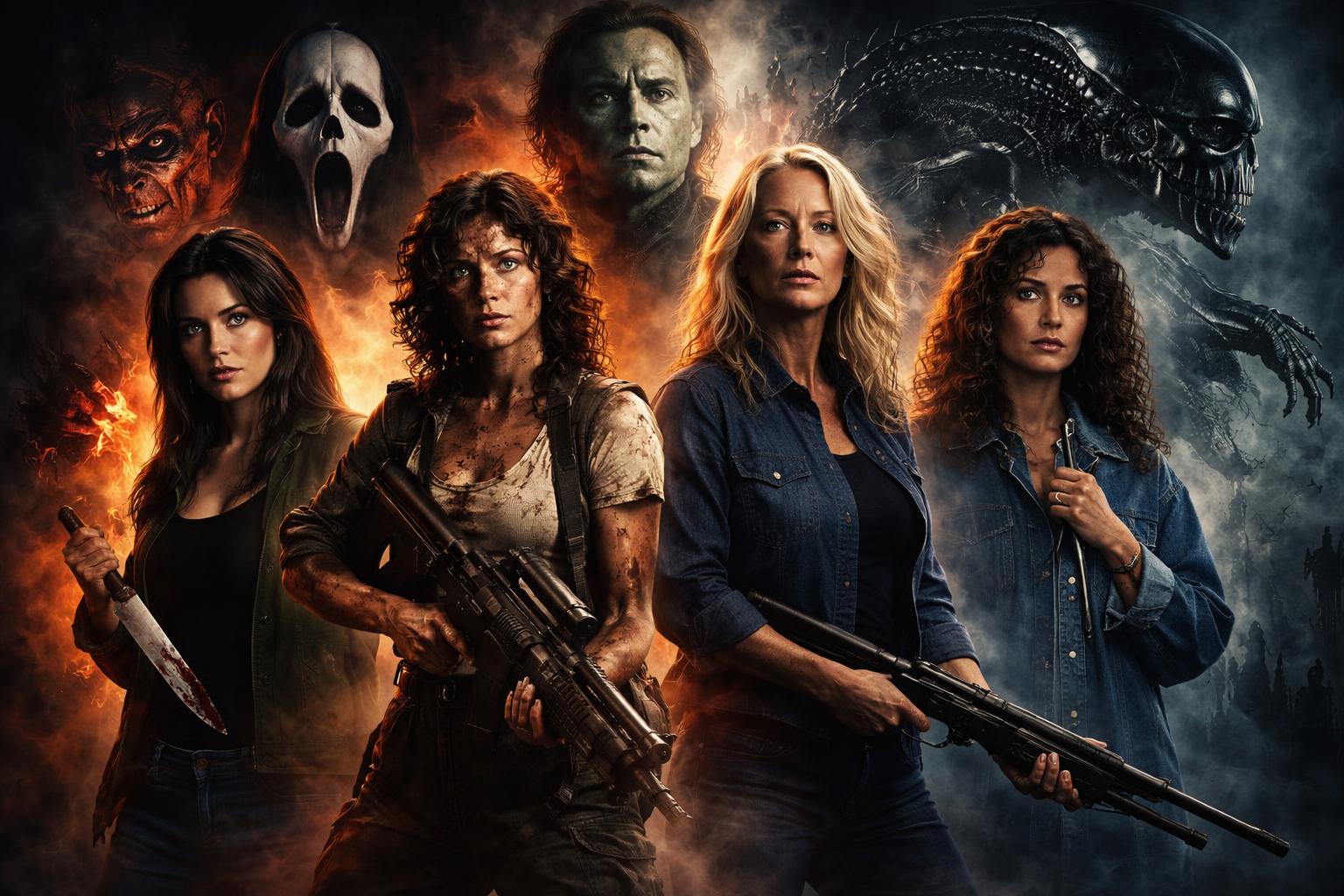
Horror flicks have this way of sticking with you long after the credits roll. Think about those nights when a shadow in the corner makes you jump because it reminds you of some creepy figure from a movie. Iconic horror movie characters aren’t just scary faces; they’re the ones that tap into our deepest fears and pop culture in ways that keep fans talking for decades. From silent killers to wisecracking demons they shape how we see terror on screen. And yeah sometimes they even make us laugh at how ridiculous our fears can be.
The Roots of Fear in Early Cinema
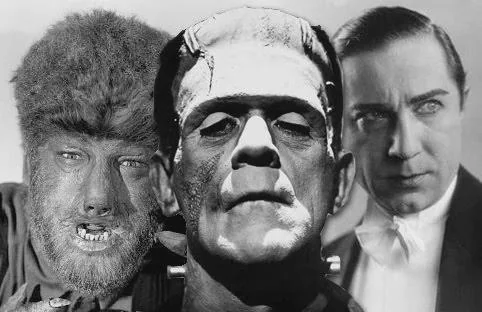
Back in the old days horror movie characters drew from legends and books turning them into screen nightmares that felt real. Take Count Dracula played by Bela Lugosi in that 1931 film he wasn’t just a vampire sucking blood he was this elegant monster who could charm you before biting. Films like Frankenstein in 1931 gave us Boris Karloff as the monster a big misunderstood guy stitched together from parts who just wanted to fit in but ended up terrifying everyone. These early icons set the stage for what horror could be showing that villains didn’t always have to be pure evil sometimes they had a tragic side that made you feel a bit sorry for them. Over time these characters evolved but their core stayed the same messing with our ideas of life death and what makes someone a monster. I recall flipping through an old movie magazine as a teen and seeing pics of Lugosi in his cape it made me want to watch those black-and-white classics even though they were kinda grainy.
Horror started borrowing from real-world scares too like the fear of the unknown or science gone wrong. The Creature from the Black Lagoon in 1954 was this fish-man thing lurking in the Amazon a symbol of nature fighting back against humans poking around where they shouldn’t. Or Mr. Hyde from the 1931 Dr. Jekyll and Hyde flick showing the beast inside all of us when we lose control. These folks weren’t flashy with weapons they relied on atmosphere and makeup to freak people out. Their stories often had morals baked in warning about hubris or isolation which added layers beyond just jumpscares.
Slasher Kings Who Defined the 70s and 80s
The 70s and 80s cranked up the gore with slasher horror movie characters who became household names almost overnight. Michael Myers from Halloween in 1978 is the ultimate boogeyman this silent guy in a mask who just won’t die no matter what you throw at him. He stalks his victims with that creepy breathing and a kitchen knife turning babysitting into a nightmare. Then there’s Jason Voorhees from Friday the 13th starting in 1980 a drowned kid turned unstoppable killer with his hockey mask and machete hacking through camp counselors like it’s his job. Freddy Krueger from A Nightmare on Elm Street in 1984 brought humor to the mix this burned-up dude with razor gloves who kills you in your dreams cracking jokes while he does it. These guys turned horror into franchises spawning sequels toys and even crossovers because fans couldn’t get enough of their relentless pursuits.
What made these slashers stand out was how they mirrored real fears like unsafe suburbs or teenage rebellion. Leatherface from The Texas Chain Saw Massacre in 1974 wore human skin masks and wielded a chainsaw representing rural decay and family gone wrong. They didn’t talk much which added to the mystery you never knew why they killed just that they would. Over the years they’ve been rebooted but the originals still hit hardest reminding us that evil can be faceless and familiar.
How Slashers Changed the Game
Slashers introduced the idea of the final girl that tough survivor who outsmarts the killer think Laurie Strode facing Michael. They amped up practical effects with blood and guts making scenes more visceral than before. Budgets were low but creativity was high leading to iconic kills that fans quote to this day. Critics slammed them for violence but audiences loved the thrill proving horror could be fun too. In a way they democratized fear anyone could be the villain or victim.
Supernatural Baddies That Linger Long After
Supernatural horror movie characters take fear to another level because you can’t fight them with a gun or run away they’re in your head or soul. Pinhead from Hellraiser in 1987 leads these cenobites who promise pleasure but deliver pain with hooks and chains all from solving a puzzle box. Then Sadako from Ringu in 1998 or Samara in the American Ring crawls out of TVs after you watch a cursed tape her wet hair and jerky moves are nightmare fuel. The Babadook from 2014 is this shadowy figure from a kids book representing grief and depression it doesn’t just scare it gets under your skin emotionally. Pazuzu possessing Regan in The Exorcist from 1973 turns a sweet girl into a vomiting head-spinning demon forcing priests to battle evil head-on.
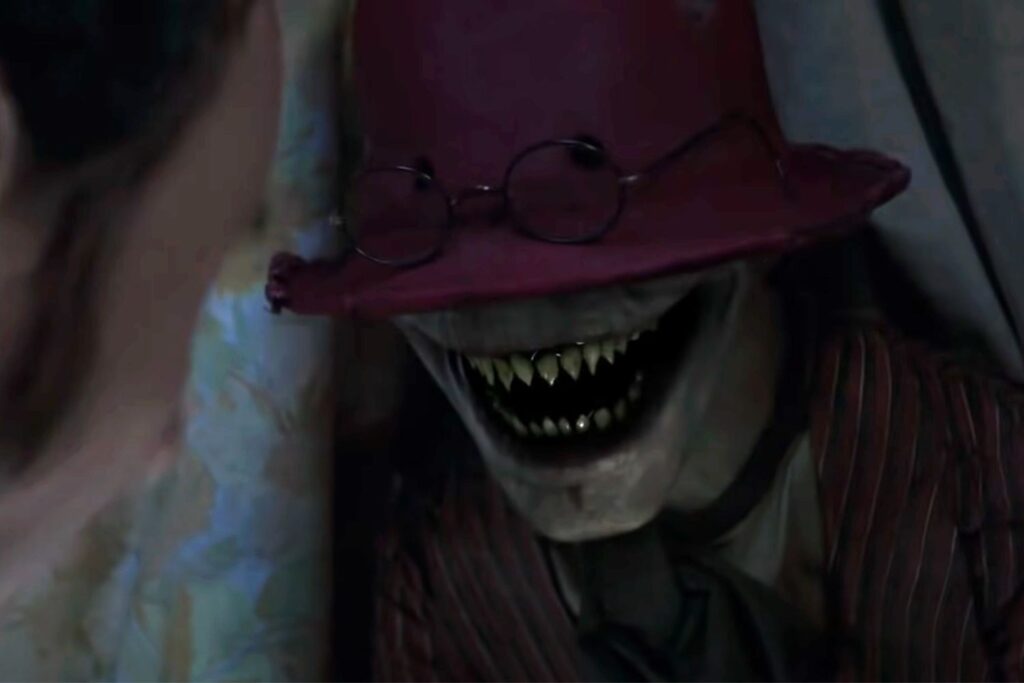
These entities often symbolize bigger issues like loss or guilt making the horror feel personal. Chucky from Child’s Play in 1988 is a doll possessed by a serial killer’s soul cute on the outside deadly inside blending toy nostalgia with terror. They evolve too modern ones like the Nun from The Conjuring universe draw from religious fears appearing in shadows to haunt families. Once I stayed up late watching The Ring and for a week I avoided my old TV thinking something might emerge kinda silly now but that’s the power they have.
| Character | Film and Year | Actor | Key Trait | Cultural Impact |
|---|---|---|---|---|
| Count Dracula | Dracula (1931) | Bela Lugosi | Charismatic bloodsucker | Inspired countless vampire tales and Halloween costumes |
| Frankenstein’s Monster | Frankenstein (1931) | Boris Karloff | Tragic stitched-together giant | Symbol of science ethics debates in pop culture |
| The Creature | Creature from the Black Lagoon (1954) | Ben Chapman/Ricou Browning | Amphibious loner | Early eco-horror icon influencing monster designs |
| Norman Bates | Psycho (1960) | Anthony Perkins | Mommy-obsessed motel owner | Redefined psychological thrillers with twist endings |
| Hannibal Lecter | The Silence of the Lambs (1991) | Anthony Hopkins | Cannibal psychiatrist | Won Oscars and made fava beans creepy forever |
Female Icons Who Flip the Script
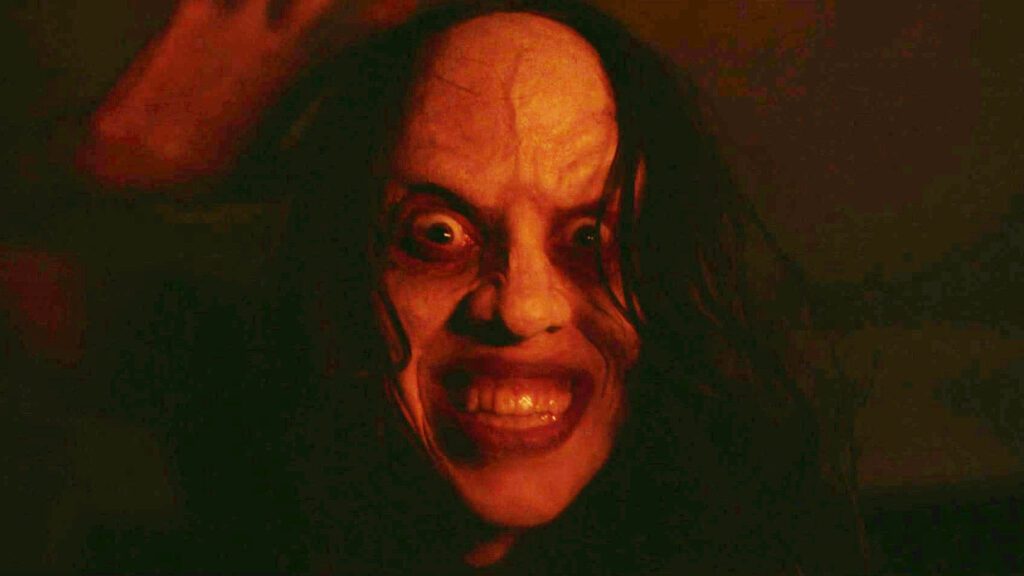
Don’t sleep on the ladies in horror movie characters they’ve delivered some of the most chilling performances flipping expectations on their head. Carrie White from Carrie in 1976 starts as a bullied teen but unleashes telekinetic rage at prom covering everyone in blood it’s revenge fantasy at its bloodiest. Then Pamela Voorhees from Friday the 13th the original killer avenging her son’s death before Jason takes over she’s a mom gone mad with a sweater and knife. Annie Wilkes from Misery in 1990 is the ultimate obsessed fan holding her favorite author captive with a sledgehammer her cheery demeanor hides pure crazy. Kayako from The Grudge crawls down stairs with that croaking sound a ghost cursed by betrayal haunting anyone who enters her house.
These women often stem from trauma or societal pressures making their villainy relatable in a twisted way. Rhoda Penmark from The Bad Seed in 1956 is a kid killer with pigtails proving evil can look innocent. They add diversity to horror showing that fear isn’t just masked men it’s everyday people snapping.
- Reasons female horror icons stand out: They subvert gender roles surprising audiences with their ferocity.
- Often motivated by personal wrongs like abuse or loss adding emotional depth.
- Memorable visuals think Carrie’s blood-soaked dress or Sadako’s long hair.
- Influence modern stories from Pearl in the X series to Midsommar’s cult leaders.
- Keep evolving with new films like Titane’s serial killer with a car obsession.
Comparing Eras of Terror
Horror has changed a lot over the years and so have its villains reflecting what scared people at the time. In the 30s and 40s monsters like Dracula or the Wolf Man were about old-world superstitions and the fear of the other. By the 50s Cold War paranoia birthed creatures from atomic bombs think Godzilla rampaging through cities as a nuke metaphor. The 70s brought gritty realism with killers like Leatherface inspired by real crimes like Ed Gein. Then 80s slashers amped up the fun with supernatural elements Freddy invading dreams while society worried about youth violence.
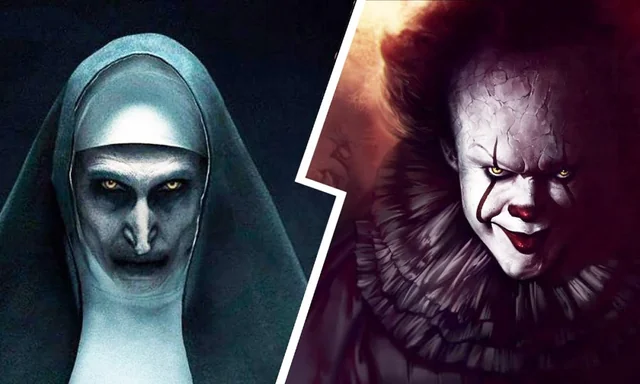
Modern bad guys mix tech and psychology like the ghosts in cursed videos or AI gone wrong. According to Empire Magazine out of the UK which has been covering films forever these shifts keep the genre fresh drawing from current anxieties. It’s funny how a vampire from the 30s feels quaint now compared to something like the Smile entity passing trauma like a virus.
| Era | Classic Villain Example | Modern Counterpart | Key Difference | Shared Fear |
|---|---|---|---|---|
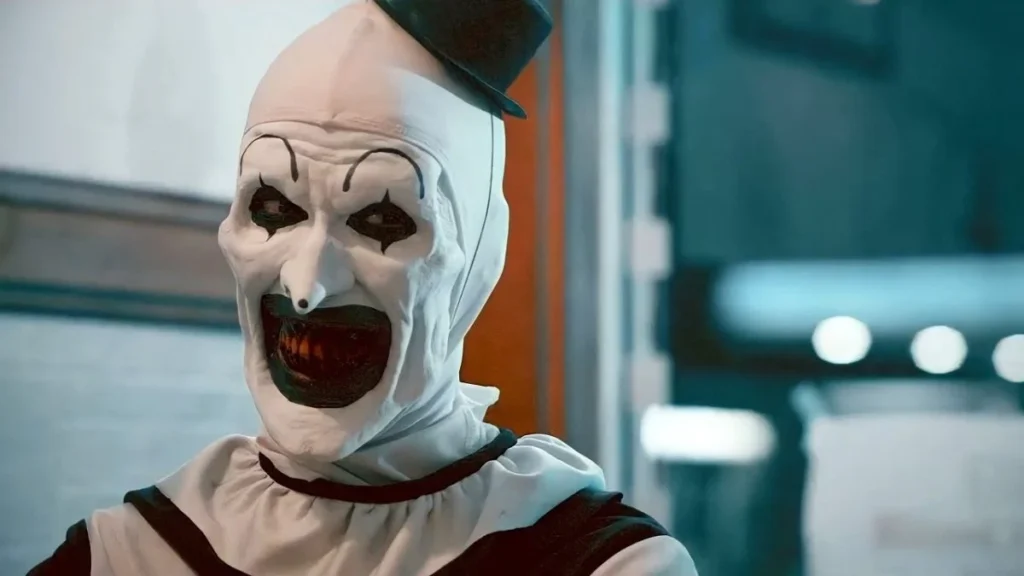
| 1930s | Dracula | Art the Clown (Terrifier) | Elegant seduction vs. graphic gore | The unknown intruder |
| 1950s | Godzilla | The Babadook | Nuclear monster vs. grief demon | Uncontrollable forces |
| 1980s | Freddy Krueger | Jigsaw (Saw) | Dream kills vs. moral traps | Personal torment |
| 2000s | Sadako/Samara | Valak the Nun | Tech curse vs. religious entity | Haunting presences |
Why They Keep Coming Back in Sequels and Remakes
Iconic horror movie characters don’t fade they get rebooted remade and spun off because they tap into timeless fears. Michael Myers has like a dozen films because his blank mask represents pure evil without reason something we can’t explain away. Jason and Freddy even teamed up in Freddy vs. Jason proving fans love seeing icons clash. Chucky jumped to TV with his own series still voicing snarky lines through Brad Dourif. These comebacks often update the scares like in the 2018 Halloween ignoring bad sequels to focus on trauma’s long shadow.
Remakes sometimes flop but when they work like the 2002 Ring they introduce new generations to the terror. It’s about nostalgia mixed with fresh twists keeping the characters relevant. Humor helps too Freddy’s one-liners make him quotable even if he’s slicing folks up.
- Top reasons for reboots: Cash from loyal fans who want more.
- Updating effects CGI over practical but both have charm.
- Exploring backstories like how Pearl became a killer in her prequel.
- Crossover appeal think Alien vs. Predator blending universes.
- Cultural commentary modern versions tackle mental health or social media.
The Psychological Punch Behind the Scares
Digging deeper these horror movie characters hit hard because they mirror our inner demons or societal ills. Hannibal Lecter from Silence of the Lambs isn’t just a cannibal he’s a genius manipulator exposing how charm can hide horror. Norman Bates in Psycho shows the damage of toxic family ties his split personality a warning about repressed emotions. The Thing from 1982 assimilates people turning trust into paranoia a perfect Cold War allegory. Even kid villains like Damien from The Omen represent fears of parenthood gone wrong is your child the Antichrist? They force us to question reality and morality which lingers longer than a cheap scare.
Experts from places like Bloody Disgusting in the US break this down saying villains need motives we understand even if we hate them. Like how Jigsaw in Saw traps people to teach lessons about appreciating life twisted but thought-provoking. Once during a stormy night I binged The Conjuring films and started hearing creaks in my house blaming it on Valak silly but that’s how they worm into your brain.
Subtle Scares vs. Overt Terror
Some characters whisper their horror like the Babadook creeping through depression symptoms. Others yell it out with chainsaws and screams. The mix keeps things varied avoiding boredom in the genre. Psychological ones build tension slow while slashers go for quick kills. Both work depending on mood.
- Evolution markers: 1920s silent films relied on expressions no sound.
- 1960s added color and gore pushing boundaries.
- 1990s meta-horror like Scream poked fun at tropes.
- 2010s elevated horror with social themes in Get Out or Hereditary.
My Take on the Scariest of the Bunch
If I had to pick favorites among iconic horror movie characters Freddy Krueger tops the list for me his blend of scares and laughs is unbeatable. Growing up I dressed as him one Halloween with a cheap glove from the store and accidentally scared my aunt who dropped her candy bowl everywhere we laughed about it later but it showed how these icons bleed into real life. Ghostface from Scream is another the everyman killer under the mask makes you suspect anyone. Pennywise from It preys on kids fears turning balloons into threats who hasn’t been creeped by clowns since? They evolve but stay true to what frightens us most the familiar turned foul.
Horror keeps churning out new ones but the classics endure because they’re adaptable. From Dracula’s cape to Art the Clown’s mime makeup each era adds its flavor. Next time you watch think about why they scare you it might reveal something about yourself. And hey if you hear scratching at night it’s probably just the cat or is it? Or do you like horror games?
- Personal scares: Clowns after It never trusted them at circuses.
- Masks like Michael’s hide emotions making them blank slates for fear.
- Voices Chucky’s laugh or Freddy’s taunts stick in your head.
- Settings abandoned houses or dreams turn safe spaces unsafe.
- Endings many survive to sequel teasing endless terror.