
Picture this: It’s a rainy afternoon, and you’re going through the old desk drawer of your deceased grandfather. In the mix of faded photos and random receipts, you come across a dusty but otherwise unused lottery ticket from 15 years ago. You’re curious, and so you go online to check it — just to have a little fun. Minutes later, perhaps half a dozen clicks further into your journey, your jaw is indistinguishable from the floor. That neglected $2 ticket is an unusual limited-edition design from a previous holiday series that’s no longer in circulation. Collectors are literally trying to pick it up for over $500 in mint condition. You’ve just discovered a concealed gem in the open.
That’s the beauty of lotology — the hobby (or, some might argue, informal “study”) of collecting lottery tickets. To the average person, lottery tickets are quick pieces of trash — either you hit something, a little or nothing and then throw it away. But lotologists see them differently. They do favor scratch-off tickets in particular, turning the discs into mini works of art and tiny pieces of history or culture. Much like how collectors preserve Pokemon cards or vintage game memorabilia, lotologists see value in what others discard.
Why gather what most everyone else discards? It’s not really about waiting for a jackpot. It is about the beautiful designs, the bright colors, the clever themes and everything in between. Some tickets honor holidays, movies, sports or even local landmarks. Some, meanwhile, are super rare simply because not many were part of the print run before the game stopped. And for plenty of collectors, there’s something sweet in holding a ticket from a time or place that feels personal.
In so many words, lotology finds real treasures in all those ‘loser’ tickets that people throw away. It’s about a good mix of art, history, and even having the company of all those friendly people who share your passion.
What is Lotology?
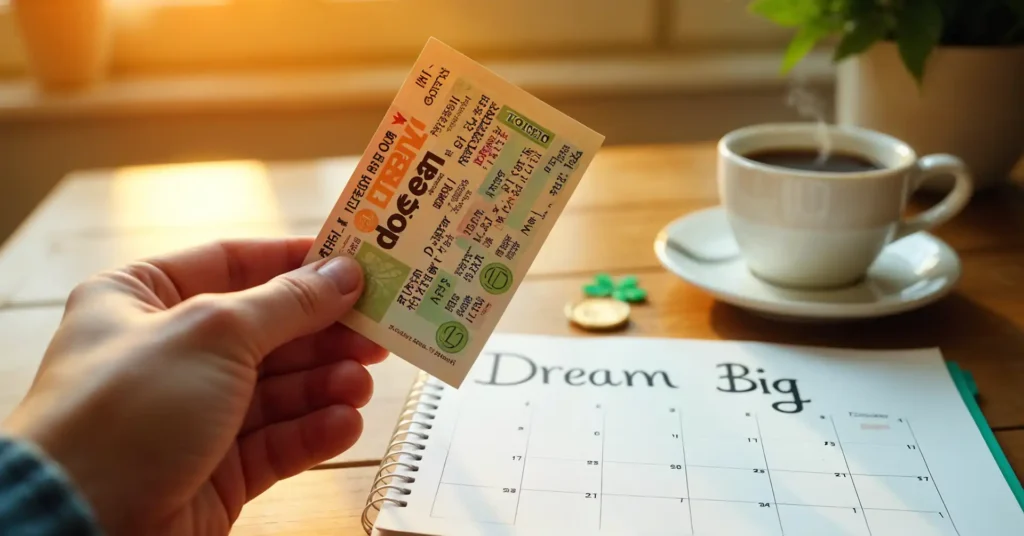
Lotology is the study and collection of lottery tickets as a hobby and cultural practice. It involves tracking lotology results, preserving lottery tickets, and understanding their historical and monetary value. Think of it as similar to stamp collecting or coin collecting, but focused on lottery tickets.
Origins and History of Lotology
LLottery tickets are hardly new, but collecting them as a hobby is. Old tickets have been saved as souvenirs since the days when lotteries first emerged in America during the 20th century. People held on to rare or historical ones, back then — say those from colonial America, or early state games. But the true trigger for modern collecting happened when money from scratch-off tickets started to pour in. These entertaining, instant-win games emerged first in the 1970s, with Massachusetts introducing the instant ticket in 1974. All of a sudden tickets were brightly colored and fun and eye-catching — things people wanted to hold on to even if they didn’t win.
How the Term “Lotology” Came to Be
The term “lotology” itself is a simple mix of “lottery” and “-ology” (meaning the study of something). It started popping up in collector circles during the 1990s and early 2000s, as more people realized they weren’t alone in saving these tickets. The hobby grew alongside other collectible communities, from classic game enthusiasts to modern digital collectors. What began as a quiet habit turned into a real hobby with its own name and fans.
Key Milestones: Building a Community
A big step forward happened around the year 2000, when the Global Lottery Collectors Society (GLCS) was formed. This group brought together collectors from across the U.S. and beyond. They started trading tickets, sharing tips, and holding meetups (called “Lotoventions”) to show off their finds. Online resources helped too—like databases and websites such as lotologist.com, where people catalog tickets by state, theme, and year.
The Growth Boom: Limited Editions and Themed Tickets
The hobby really took off in the 2000s and beyond, thanks to all the exciting new scratch-offs. Lotteries began printing limited-edition tickets for holidays, sports teams, movies, pop culture, and local events. These special runs sell out fast and become hard to find later, which makes them super appealing to collectors. Today, lotology is a worldwide passion, with online groups, forums, and even apps helping people connect and trade. What started as a few curious collectors has become a fun way to preserve little pieces of history and art.
Why is Lotology Important?
Lotology has cultural and historical importance beyond the value of gambling. Every lottery ticket is a snapshot of a moment in time, art and culture history with the added fact that existing artwork can be shown several decades after its creation. For example, during war time or other significant national occasions, lottery tickets can have special themes that makes them valuable to collectors.
The market for lottery tickets among collectors is expanding. An estimated tens of thousands of collectors are said to participate in lottery ticket collecting around the globe, and while it’s a small market, publications for collectors exist here. Some very rare tickets have been sold at auction for hundreds or thousands of dollars, which has served to underscore their value.
Additionally, lotology necessarily includes the keeping of the history of lotteries. Because lotteries are a means of public raising funds and entertainment, collectors believe keeping tickets maintains that history.
What Lotologists Collect
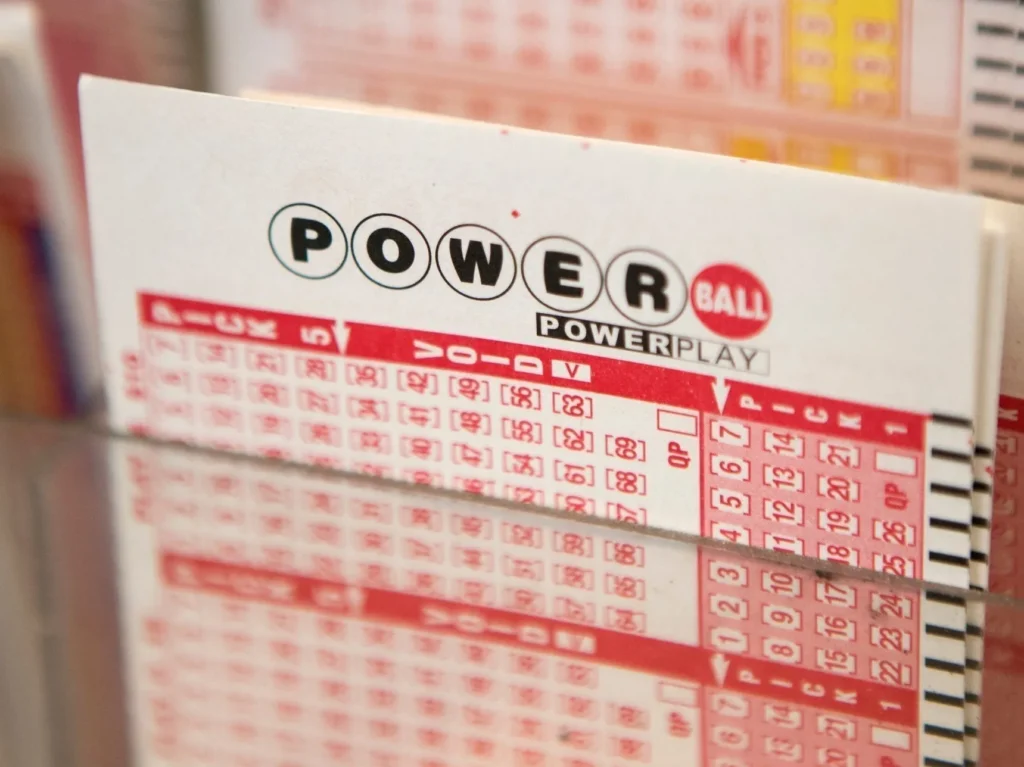
Lotologists collect all kinds of lottery tickets, but most focus on scratch-offs because they’re colorful, creative, and full of personality. Here’s a breakdown of the main types and what makes them special.
The Big Three Categories
Collectors usually sort their tickets into three main groups based on condition:
- Scratched (SC) tickets These are the most popular—about 75% of collectors go for them. They’re the used, non-winning scratch-offs you’ve already rubbed off. People love them for the artwork, colors, and fun themes. Since they’re “played” and easy to find, they’re the perfect starting point for most collectors.
- Mint (MT) tickets These are unused and unscratched—still in perfect, factory-fresh condition. They make up about 15% of collections. Mint tickets are harder to get because they’re never sold or played. Some collectors chase them for the thrill of owning something pristine, but they’re usually more expensive.
- Sample-Void (SV) tickets These are special printer proofs or training samples marked “VOID” or “SAMPLE.” They make up around 10% of collections. Lotteries use them to test designs or train store clerks, so only a few exist. They’re rare and highly prized because they’re never meant to be sold to the public.
Other Types Lotologists Love
Beyond the main three, collectors also hunt for:
- Draw tickets — The classic paper tickets for big jackpot drawings (like Powerball or Mega Millions).
- International tickets — Scratch-offs and draw tickets from other countries, each with its own unique style and language.
- Vintage or historic lots — Older tickets from the early days of lotteries, including colonial-era ones, early U.S. state games, or old charity lotteries. These feel like little pieces of history.
Why Scratch-Offs Rule the Hobby
Scratch-off tickets are the heart of lotology. They come in limited print runs, which means once a game ends, those designs disappear forever. Many have amazing artwork and clever themes—like sports teams, holidays, movies, celebrities, animals, or local landmarks. Some even tie into pop culture events or special causes. That mix of limited availability and creativity is what keeps collectors hooked.
The Lotology Community
Lotology isn’t just a solo hobby: it’s a friendly, welcoming community where people from all over share their passion for lottery tickets. Collectors connect, trade, and celebrate their finds together.
Main Organizations
The biggest group is the Global Lottery Collectors Society (GLCS). Founded around 2000, it’s the main hub for lotologists worldwide. Members get newsletters, access to exclusive trades, and invitations to events. There are also smaller regional groups in places like Texas, California, and parts of Europe. Online, you’ll find lively forums on sites like Reddit (r/lotology), Facebook groups, and Discord servers where collectors post photos of their latest treasures and ask for advice. These online communities function similarly to gaming forums where players discuss everything from game development strategies to collectible guides.
Trading and Events
Swapping tickets is a huge part of the fun. Collectors love swap meets and in-person Lotoventions (lotology conventions) organized by the GLCS, where people meet up to trade, buy, and show off rare finds. Online, trading happens constantly on eBay, dedicated collector websites, and Facebook Marketplace. Some people even run private auctions for super-rare tickets. These events and trades help everyone build their collections without spending a fortune.
Helpful Resources
The community has great tools to make collecting easier. Websites like lotologist.com act as huge databases where you can search tickets by state, game name, year, or theme. There are also detailed catalogs that list every scratch-off ever printed in a country or state, often with photos and rarity info. Price guides (some shared online, others in printed booklets) help collectors know what a ticket is worth based on condition and demand.
Global Reach
Lotology is strongest in the United States, especially in states like Texas, California, and Florida where lotteries print tons of creative scratch-offs. But the hobby has spread to Europe (places like the UK, Germany, and Scandinavia have active collectors), Australia, Canada, and even parts of Asia and South America. With online groups and worldwide shipping, it’s easy for anyone to join in—no matter where they live.
Practical Aspects of Collecting
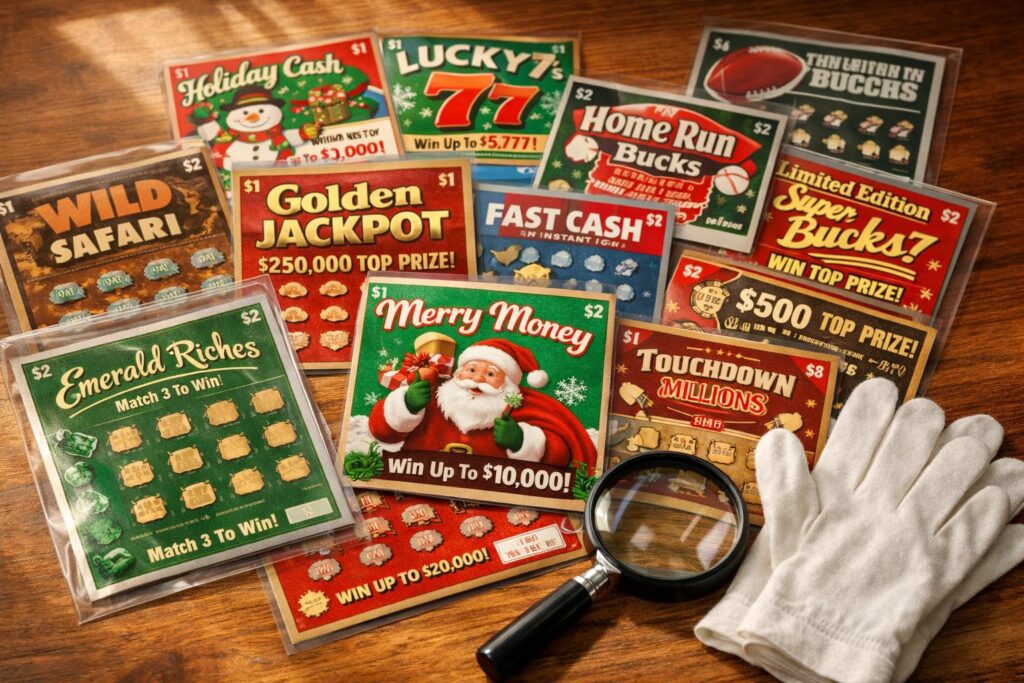
Getting into lotology is easy and doesn’t have to cost a lot. Here’s everything you need to know to start, keep your tickets in great shape, figure out their value, and stay on the right side of things.
How to Start Collecting
The best way to begin is by collecting tickets you already have or can easily get:
- Buy new scratch-offs — Head to your local gas station, grocery store, or lottery retailer. Pick tickets with cool designs or themes you like. Even if you scratch them, they’re still great for your collection as scratched (SC) tickets.
- Trade scratched tickets — Once you have some played ones, trade them with other collectors. Join Facebook groups, Reddit’s r/lotology, or the Global Lottery Collectors Society (GLCS) forums. People are always happy to swap for something new.
- Shop online auctions — Check eBay, Etsy, or collector websites for mint (unused) tickets, rare samples, or older games. You can also buy complete sets of out-of-print tickets from other collectors.
Start small—maybe grab a few tickets from your state’s current games—and build from there.
How to Preserve Your Tickets
Lottery tickets are made of paper, so they can fade, crease, or get damaged over time. Here are some simple ways to keep them looking good:
- Use acid-free sleeves or top-loading holders (like those for baseball cards) to protect each ticket.
- Store them in albums or binders with plastic pages—many collectors use 9-pocket pages.
- Keep everything in a cool, dry place away from direct sunlight, humidity, or heat. A closet or drawer works better than a garage or attic.
- Avoid taping or gluing tickets—tape can yellow and damage them.
With good care, your collection can stay in great shape for years.
How to Value Your Tickets
The value of a lottery ticket depends on a few key things:
- Condition — Mint (MT) tickets are worth the most because they’re perfect. Scratched tickets are still valuable but worth less.
- Rarity — Limited-edition or short-run games are harder to find once they’re gone.
- Theme — Popular themes like holidays, sports stars, movies, or pop culture can drive up demand.
- Demand — What other collectors want right now—some tickets become hot overnight.
Check online databases like lotologist.com, recent eBay sales, or GLCS price guides for a rough idea of worth. Values can range from a few dollars to hundreds for truly rare ones.
Legal and Ethical Notes
It is perfectly legal to collect lottery tickets in almost every country that the lotteries operate. It is no different than collecting stamps or coins — there are no gaming laws because you are not playing for a prize.
Morally speaking, most collectors are in it for the art, the history and the fly-by-the-seat-of-your-pants exhilaration of a great taste-test — not to find a way to “beat” the lottery. Stay aboveboard in your trading or selling (describe condition correctly) and you’ll be fine collecting-just the way it should be.
Once you’ve got these basics mastered, you’ll be ready to jump into the lotology game!
Lotology vs. Lottery Prediction
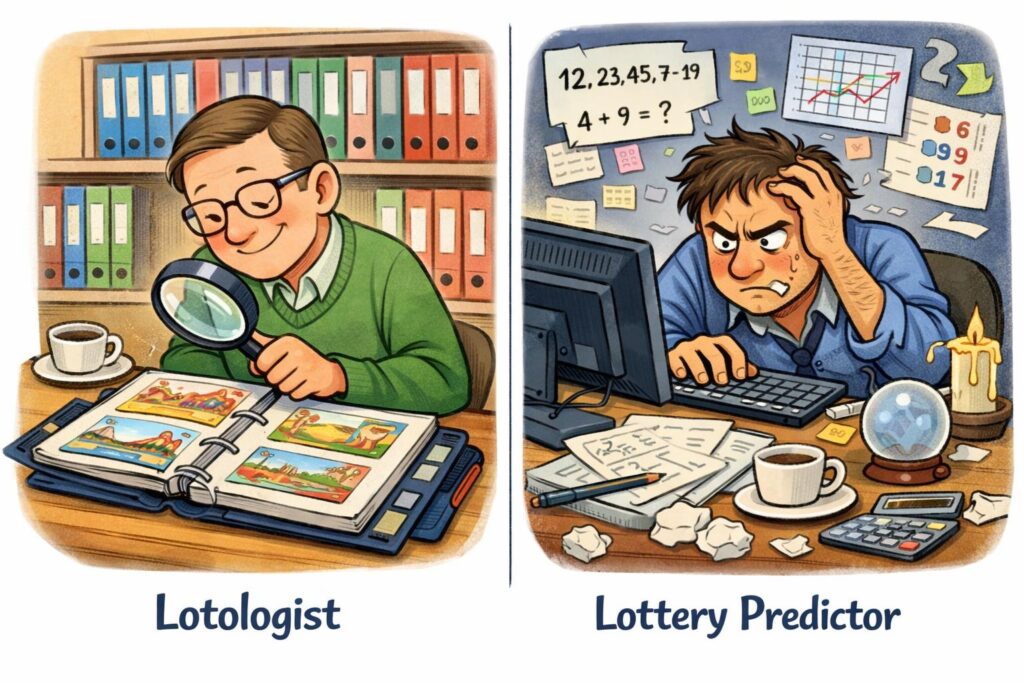
When people hear the word “lotology,” they sometimes think it’s about finding a secret way to win the lottery. They might picture someone studying numbers, patterns, or “hot” tickets to beat the odds. But that’s a big misunderstanding.
What Lotology Really Is
True lotology is all about collecting lottery tickets—especially scratch-offs—for their art, history, and design. It’s a hobby like collecting stamps, coins, or baseball cards. Lotologists enjoy the colorful graphics, limited editions, and stories behind each ticket. They’re not trying to predict winners or make money through gambling. They’re saving and trading tickets that most people throw away.
The Confusion with Lottery Prediction
There’s a separate trend where people try to “predict” lottery wins using math, software, or supposed patterns. Some call this “lotology” too, but that’s not accurate—it’s more like lottery strategy or numerology. This side often involves pseudoscience, hot/cold number systems, or claims about beating the game. While it’s harmless fun for some, it’s not what real lotology is about. The two get mixed up because they both involve lottery tickets, but they’re completely different.
The Clear Difference
| Aspect | True Lotology | Lottery Prediction |
|---|---|---|
| Main focus | Collecting tickets as art and history | Trying to win money or predict numbers |
| Goal | Build a collection, trade, enjoy designs | Beat the odds, find a “system” |
| Approach | Aesthetic, historical, community-based | Mathematical, statistical, or superstitious |
| Outcome | Fun hobby, valuable collectibles | Usually no guaranteed wins (lotteries are random) |
In short, lotology is about appreciating the tickets themselves—not about chasing jackpots. If you’re drawn to the pretty pictures, rare editions, and the thrill of the hunt for a cool design, you’re a lotologist. If you’re looking for a way to “win big,” that’s a different path altogether.
Future Trends in Lotology
Technology is changing the lotology world. Digital lottery ticket collecting collectors are starting to keep scans or pictures of their tickets. It is now easier than ever to buy and sell tickets on the global marketplaces that are online auctions.
Experts also expect new collectible ticket designs and limited-edition releases to begin selling well as lottery players will cash in on exclusive keepsakes at stake. Plus, blockchain could even be used to verify the authenticity of rare tickets.
Online communities continue to flourish, with forums and apps increasing the level of engagement. So this is the new face for lotology, the future of lottery ticket collection that will merge custom and invention to carry lotology across the globe.
Lotology is an interesting and different hobby which combines history, artwork, and lottery luck. With an appreciation of lotology results, knowledge of how to gather and sustain tickets and a connection with other collectors remotely, fans can relish this esteemed hobby. Whether you’re a casual collector or committed enthusiast, the study of lotology is a fascinating way to peek behind the curtain of each lottery ticket.
Discover lotology more by checking out collector forums, attending auctions or beginning your own collection today!
Ticket collecting is a hobby where people keep tickets from events they went to. These can be concert tickets, movie tickets, sports tickets, festivals, museums, or travel tickets. People collect them because the tickets remind them of special moments.
People collect tickets because they feel emotional and personal. A small paper ticket can remind you of a great concert, a fun trip, or time spent with friends. For many collectors, it is more about memories than money.
Some old or rare tickets can be valuable, especially if they are from famous events or artists. But most tickets are not collected for profit. They are collected because they are meaningful to the person.
No. It can be very cheap. You only collect tickets from events you already visit. You do not have to buy rare or old tickets unless you really want to.